
497 Search Results Found For : "Low-priced"


Project: Combatting Noncommunicable Disease Risk Factors in Youth

Integrating Health Services for Young People: Tackling the Growing Noncommunicable Disease Epidemic

This policy report argues that integrating noncommunicable disease (NCD) services—particularly those targeted at prevention and early intervention—with other health services for young people can help tackle the growing NCD epidemic in low- and middle-income countries (LMICs).


View Details

Debunking Baby Boomer Myths

A careful look at the data on baby boomers dispels misconceptions about their characteristics and enables policymakers to accurately assess the potential implications of their aging and retirement for U.S. society and the economy.

View Details

Should We Despair Over the Demographic Divide?

We must hold two things to be true: Populations are rapidly shrinking and rapidly booming—just in different places.

View Details

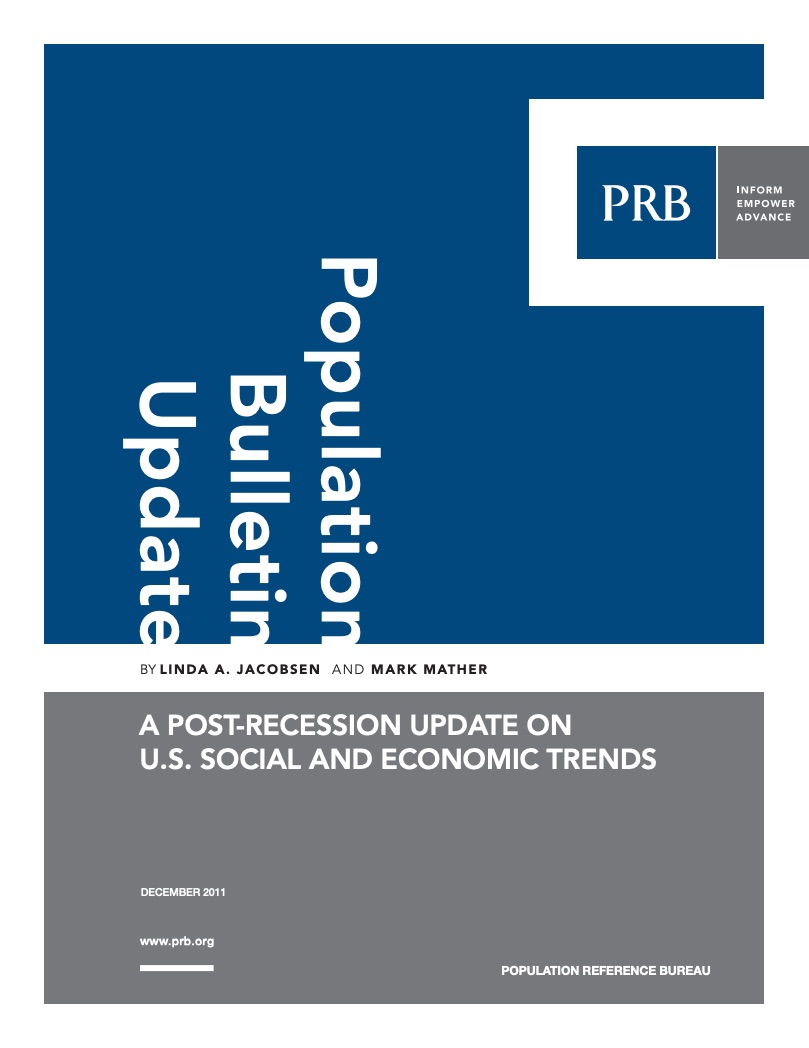
A Post-Recession Update on U.S. Social and Economic Trends (cont’d.)

View Details Array ( [ID] => 15012 [id] => 15012 [title] => Population-bulletin-2011-us-economic-social-trends-update [filename] => Population-bulletin-2011-us-economic-social-trends-update.pdf [filesize] => 839146 [url] => https://www.prb.org/wp-content/uploads/2011/12/Population-bulletin-2011-us-economic-social-trends-update.pdf [link] => https://www.prb.org/resources/a-post-recession-update-on-u-s-social-and-economic-trends/population-bulletin-2011-us-economic-social-trends-update/ [alt] => [author] => 15 [description] => [caption] => [name] => population-bulletin-2011-us-economic-social-trends-update [status] => inherit [uploaded_to] => 15010 [date] => 2021-01-30 22:48:36 [modified] => 2021-01-30 22:48:36 [menu_order] => 0 [mime_type] => application/pdf [type] => application [subtype] => pdf [icon] => https://www.prb.org/wp-includes/images/media/document.png ) Download (0.8 MB)

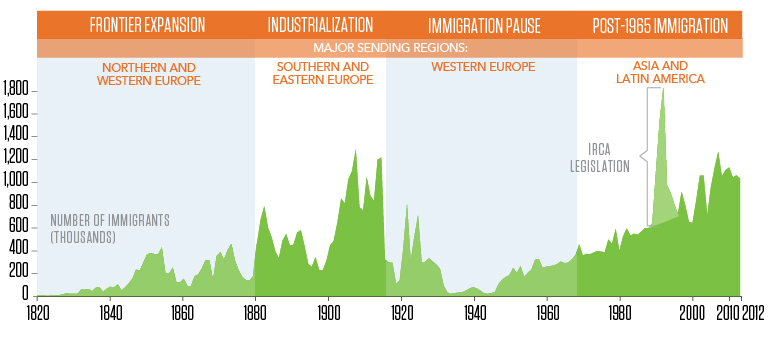
Trends in Migration to the U.S.

(2014) Under the motto e pluribus unum (from many, one), U.S. presidents frequently remind Americans that they share the immigrant experience of beginning anew in the land of opportunity.1

View Details

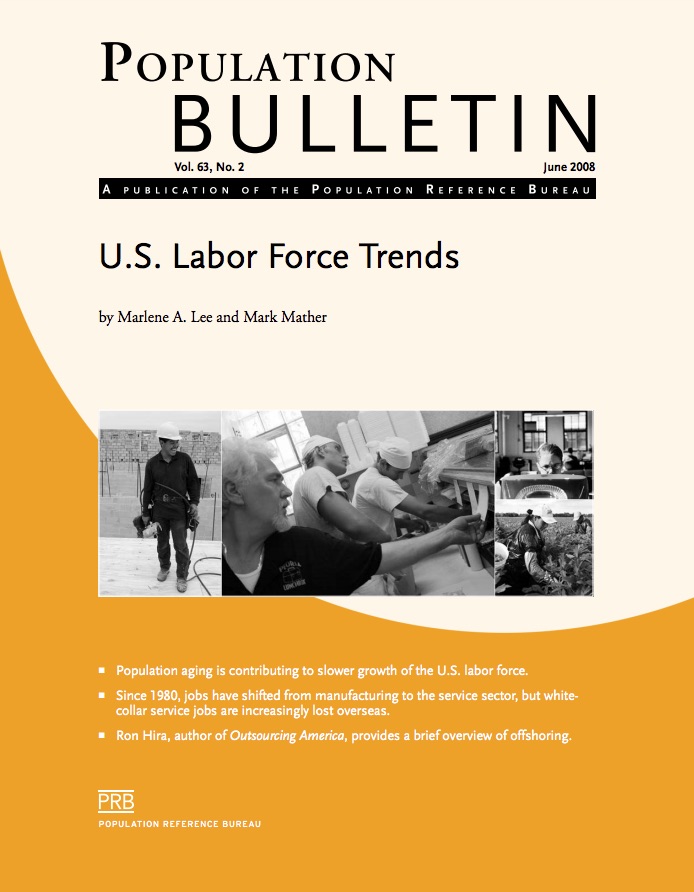
Population Bulletin, vol. 63, no.2: U.S. Labor Force Trends

(2008) During the past four decades, baby boomers coming of age and the rise in women's labor force participation increased the size of the U.S. labor force which, in turn, helped fuel economic growth.

View Details Array ( [ID] => 14057 [id] => 14057 [title] => 0622200863.2uslabor [filename] => 0622200863.2uslabor.pdf [filesize] => 817095 [url] => https://www.prb.org/wp-content/uploads/2021/01/0622200863.2uslabor.pdf [link] => https://www.prb.org/resources/u-s-labor-force-trends/0622200863-2uslabor-2/ [alt] => [author] => 15 [description] => [caption] => [name] => 0622200863-2uslabor-2 [status] => inherit [uploaded_to] => 14054 [date] => 2021-01-25 15:28:46 [modified] => 2021-01-25 15:28:46 [menu_order] => 0 [mime_type] => application/pdf [type] => application [subtype] => pdf [icon] => https://www.prb.org/wp-includes/images/media/document.png ) Download (0.8 MB)

Increased Overweight Prevalence and Chronic Disease Risk Among the Poor in Developing Countries

(2012) Globally, the prevalence of overweight and obesity has increased at alarming rates—with 1.5 billion adults overweight worldwide.1 The growing prevalence of overweight in developing countries has helped propel an upsurge in chronic, noncommunicable diseases including diabetes and hypertension.

View Details

Births Outside Marriage Now Common in Many Countries in Europe

(2010) The link between marriage and childbearing has greatly weakened worldwide, evidenced by a sharp rise in births outside marriage in most developed countries. 

View Details

World Population Highlights 2007: Overview of World Population

(2007) We entered the 20th century with a population of 1.6 billion people. We entered the 21st century with 6.1 billion people. And in 2007, world population is 6.6 billion.

View Details