
563 Search Results Found For : "www.nubobeauty.com"


Project: Demography and Economics of Aging and Alzheimer’s Disease

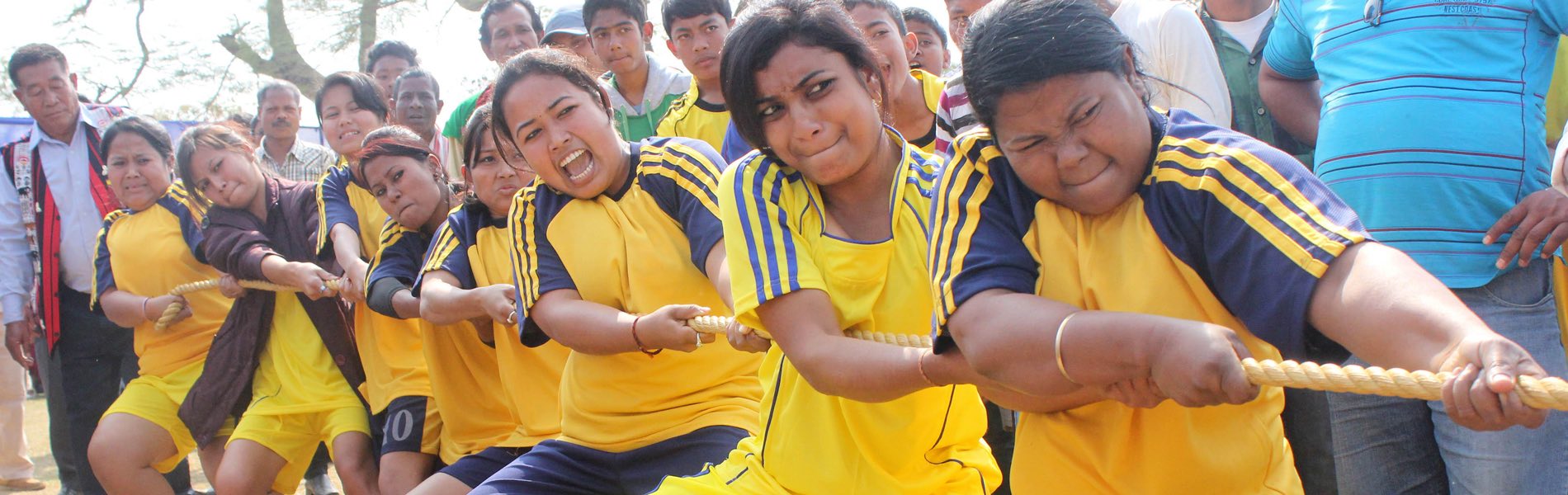
Unequal Health Care Access and Quality Contribute to U.S. Racial Health Disparities Among Older Adults

Older Black adults are less likely than their white peers to have private insurance and more likely to rely on Medicaid or Medicare as their only health insurance.
View Details

Fertility and Infant Mortality Declines in Tanzania

(2010) Tanzania is one of the world's poorest countries, with a 2008 annual per capita income of just $1,263, and nearly 90 percent of the population living on less than $1.25 per day.1 Maternal, infant, and childhood mortality—important indicators of overall socioeconomic conditions—are high, even for East Africa.

View Details

The International Response to HIV/AIDS

(2002) With its poverty and underdeveloped health systems and other infrastructures, it is certain that Africa will not be able to bring the HIV/AIDS epidemic under control as rapidly as it needs to if the continent has to rely only on its own resources.

View Details

Combatting Noncommunicable Disease Risk Factors in Youth

PRB produced a global interactive database and a series of regional policy reports and data sheets that highlight the importance of taking action now to address noncommunicable disease (NCD) risk factors among youth.

View Details

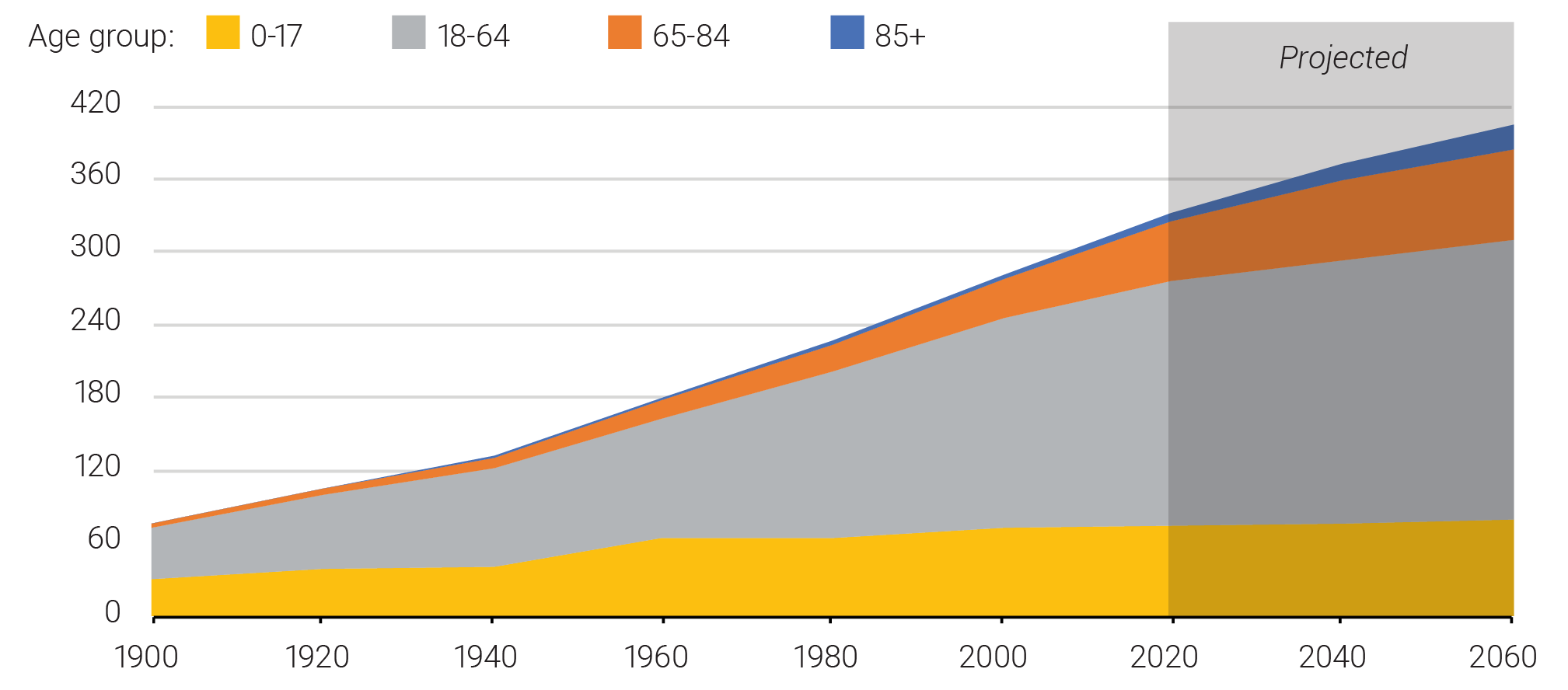
The U.S. Population Is Growing Older, and the Gender Gap in Life Expectancy Is Narrowing

The current growth of the population ages 65 and older is unprecedented in U.S. history and has important implications for policymakers.

View Details

Among Older Americans, Black and Hispanic People Are Much More Likely to Need Help at Home—and Go Without It

Income, neighborhood characteristics, and state policies may underly racial disparities in who gets needed care, despite federal efforts to expand home-care programs.

View Details

World Population Highlights 2007: Urbanization

(September 2007) The world is on the verge of a shift: from predominantly rural to mainly urban.

View Details

Client-Centered Quality: Clients’ Perspectives and Barriers to Receiving Care

To provide high-quality care, providers must understand and respect their clients' needs, attitudes, and concerns. These client perceptions are in turn affected by personal, social, and cultural factors.

View Details Array ( [ID] => 21533 [id] => 21533 [title] => NewPerspQOC-Clients [filename] => NewPerspQOC-Clients-1.pdf [filesize] => 217598 [url] => https://www.prb.org/wp-content/uploads/2002/07/NewPerspQOC-Clients-1.pdf [link] => https://www.prb.org/resources/client-centered-quality-clients-perspectives-and-barriers-to-receiving-care/newperspqoc-clients-2/ [alt] => [author] => 15 [description] => [caption] => [name] => newperspqoc-clients-2 [status] => inherit [uploaded_to] => 5043 [date] => 2021-05-03 12:33:16 [modified] => 2021-05-03 12:33:16 [menu_order] => 0 [mime_type] => application/pdf [type] => application [subtype] => pdf [icon] => https://www.prb.org/wp-includes/images/media/document.png ) Download (0.2 MB)