100 Years and Beyond: Increasing Human Life Expectancy
(2010) Humans are living longer than ever before. In fact, newborn children in high-income countries can expect to live to more than 100 years.

(2010) Humans are living longer than ever before. In fact, newborn children in high-income countries can expect to live to more than 100 years.

Project: Demography and Economics of Aging and Alzheimer’s Disease
The share of older Americans with dementia is decreasing, but the total number will rise as the large baby boomer population ages and more people live longer. While education gives older adults an edge, reducing their dementia risk, racial and socioeconomic disparities in dementia are large.
Project: Center for Public Information on Population Research (CPIPR)
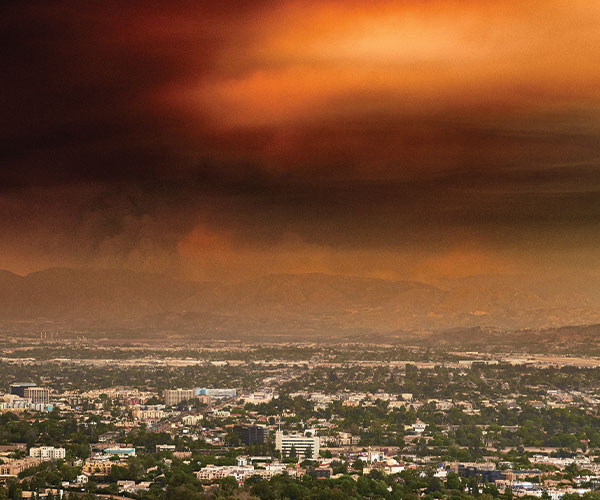
Environmental forces like wildfire, extreme heat, and pollution can have profound effects on our health, jobs, and decisions on where to live.
(2009) Latinos make up a growing share of young Americans: Nationally their share reached 22 percent in 2008, but it already approaches or exceeds 50 percent in several states, including Arizona, California, New Mexico, and Texas.

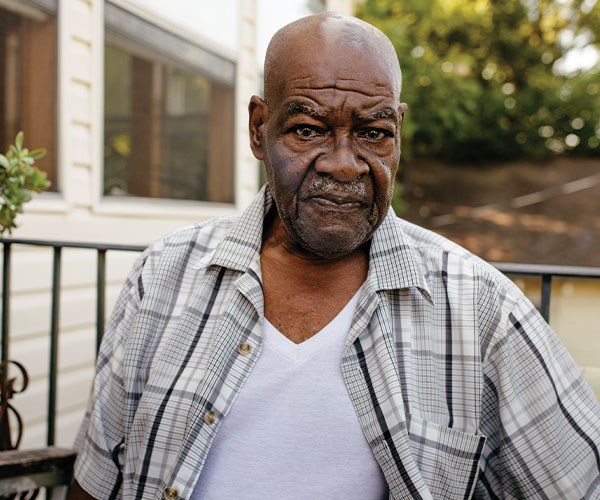
Income, neighborhood characteristics, and state policies may underly racial disparities in who gets needed care, despite federal efforts to expand home-care programs.
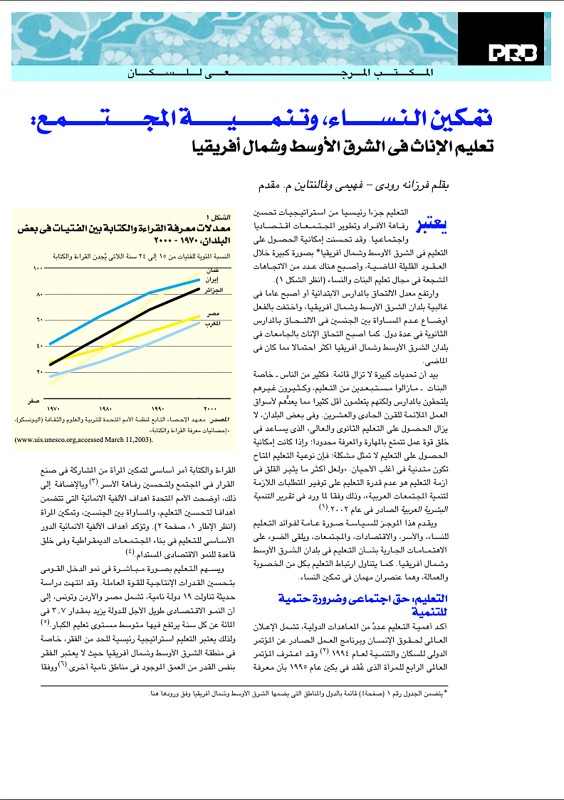
(2003) Education is a key part of strategies to improve individuals' well-being and societies' economic and social development.
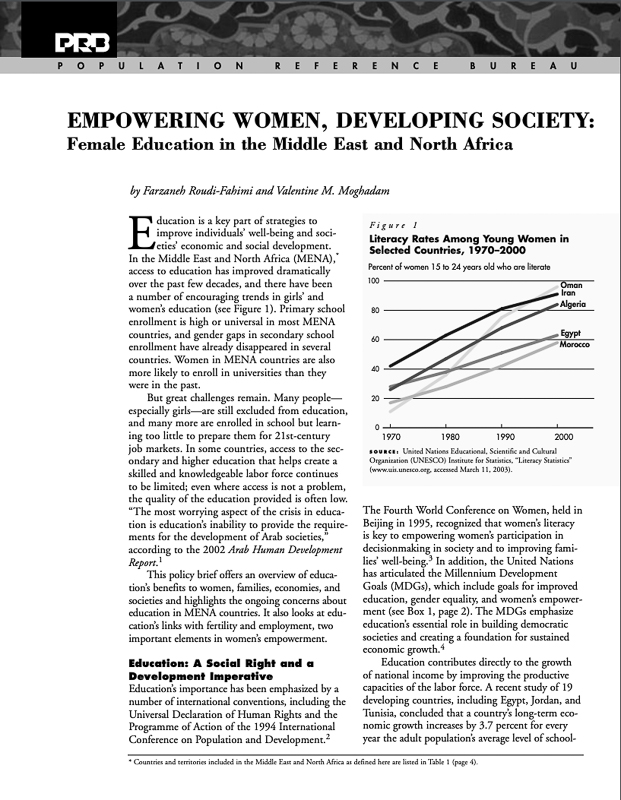
(2003) Education is a key part of strategies to improve individuals' well-being and societies' economic and social development.
Project: Demography and Economics of Aging and Alzheimer’s Disease
While non-Hispanic Black adults make up 10% of the population ages 65 to 74, they account for 18% of COVID-19-related deaths in that age group.