Egypt Bans Female Genital Cutting
The Egyptian Health Ministry issued a decree on June 28, 2007, that officially banned female circumcision, also known as female genital mutilation (FGM) or female genital cutting (FGC).

The Egyptian Health Ministry issued a decree on June 28, 2007, that officially banned female circumcision, also known as female genital mutilation (FGM) or female genital cutting (FGC).
This Population Bulletin Update is a follow-up to 2006's Population Bulletin, "Immigration: Shaping and Reshaping America" by Phil Martin and Elizabeth Midgley, and provides new data and analysis on the economic impacts and policy debates around immigration.
(2007) States increasingly consider science and technology resources to be an asset in developing a strong economic advantage. As a result, strategies for training, attracting and retaining scientists and engineers have become more important state and national public policy issues.
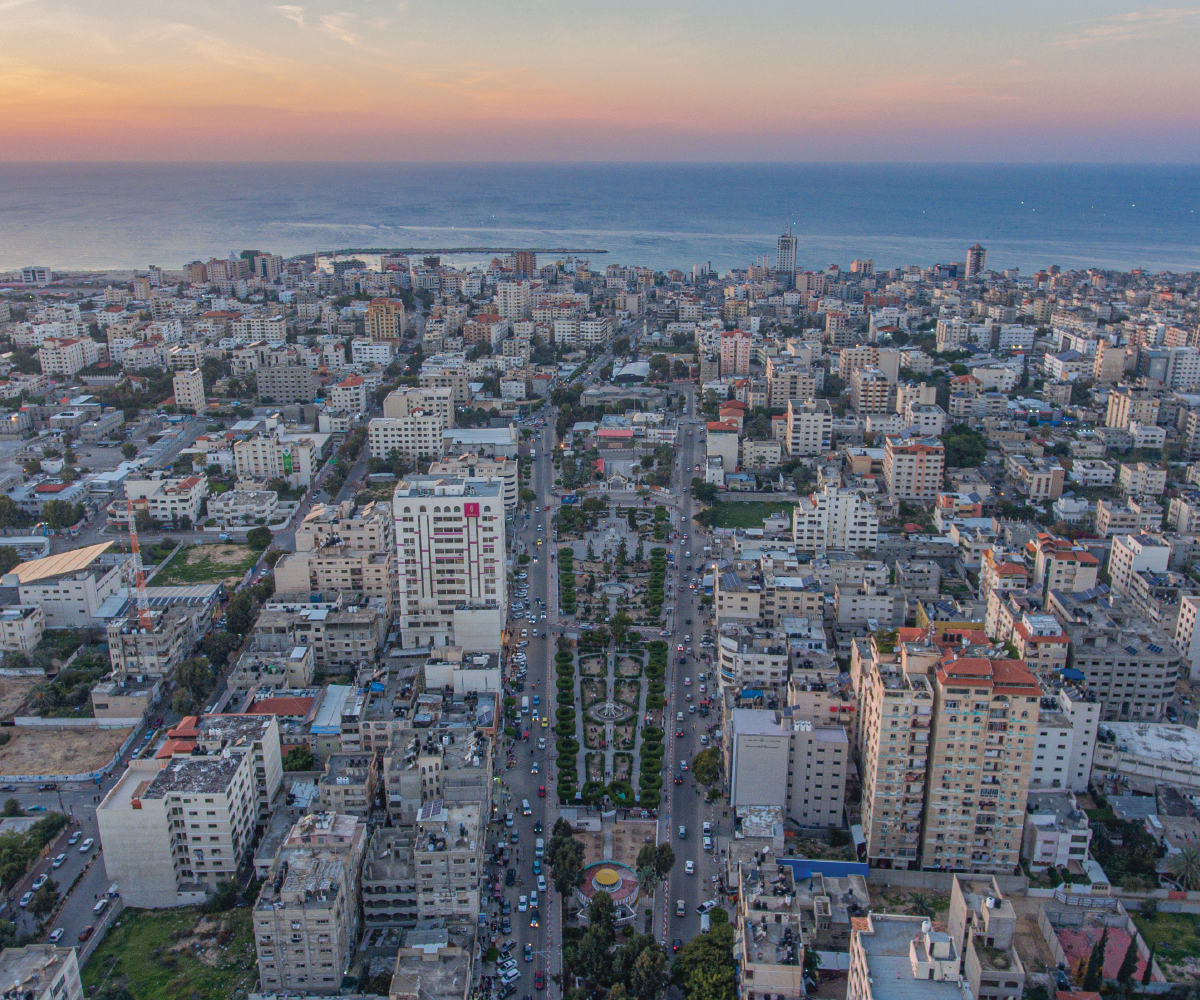
What do data tell us about the people who live in Gaza and the West Bank?
(2011) Près de 68 pour cent des personnes infectées par le VIH dans le monde vivent en Afrique subsaharienne, où le virus touche les femmes de manière disproportionnée.
(2005) In the developed world, obesity is an object of everyday conversation and mounting public concern. But a silent epidemic of obesity-related diseases—among them, cardiovascular diseases, stroke, and Type-2 diabetes—is also spreading rapidly across poor and middle-income countries, where such illnesses have been overshadowed by infectious diseases and undernutrition.
(2001) In a 2001 report published by Amnesty International, a 27-year-old Ukrainian psychologist and social worker told of being trafficked to Israel.

The Census Bureau’s state-level population estimates for 2018 provide a window into the potential redistribution of seats in the U.S. House of Representatives when the 2020 Census numbers are released.
(2010) More than 1.4 billion people around the world live in extreme poverty (defined as income of less than US$1.25 per day), and nearly 2 billion more live just above that level.
(2010) Peruvian women are having fewer children and waiting longer between pregnancies, many by using traditional family planning methods.