603 Search Results Found For : "%EC%B2%AD%EB%8F%84%EC%B6%9C%EC%9E%A5%EB%A7%88%EC%8B%B8%EC%A7%80%EF%BC%BBKaKaotalk:Za31%EF%BC%BD%ED%95%98%EC%9D%B4%EC%9B%90%20%EC%BD%98%EB%8F%84:www.za32.net"


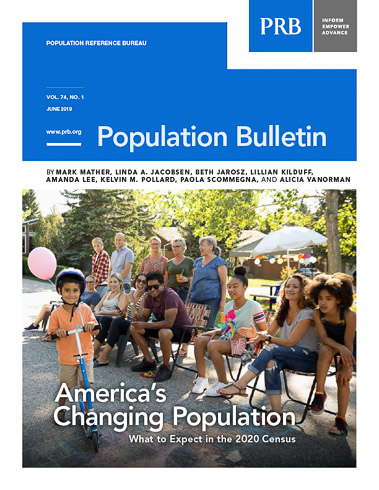
Population Bulletin, Vol. 74, No. 1: America’s Changing Population

Population Bulletin 74, No. 1 This Bulletin provides a preview of 2020 Census results—identified through data from surveys, population estimates, and projections—and an overview of key population and housing trends.

View Details Array ( [ID] => 3634 [id] => 3634 [title] => 2019-74-1-Population-Bulletin-Census [filename] => 2019-74-1-Pop-Bulletin-Census.pdf [filesize] => 3536201 [url] => https://www.prb.org/wp-content/uploads/2020/10/2019-74-1-Pop-Bulletin-Census.pdf [link] => https://www.prb.org/resources/population-bulletin-vol-74-no-1-americas-changing-population/2019-74-1-pop-bulletin-census/ [alt] => [author] => 15 [description] => VOL. 74, NO. 1 JUNE 2019 - Population Bulletin -America’s Changing Population, What to Expect in the 2020 Census April 1, 2020 is Census Day. The U.S. Constitution mandates that a census be taken every 10 years to count all people—both citizens and noncitizens—living in the United States.1 An accurate count of the population is both required by law and serves as the basis for fair political representation, and it plays a vital role in many areas of public life. [caption] => [name] => 2019-74-1-pop-bulletin-census [status] => inherit [uploaded_to] => 7807 [date] => 2020-10-27 17:11:40 [modified] => 2021-05-11 17:19:22 [menu_order] => 0 [mime_type] => application/pdf [type] => application [subtype] => pdf [icon] => https://www.prb.org/wp-includes/images/media/document.png ) Download (3.5 MB)

U.S. Population Projected to Hit 400 Million in 2039

(2008) The U.S. population is set to reach 400 million by 2039, four years earlier than previously projected, according to new population projections from the U.S. Census Bureau.

View Details

Project: Supporting Population Evidence and Champions in Africa (SPEC)

Harnessing the Demographic Dividend in Ethiopia

Ethiopia, with a current population of about 100 million, has achieved gains in several major health indicators.

View Details

Workers at Risk During the Coronavirus Pandemic: Four in 10 Food Preparers and Servers Are Low-Income

A PRB analysis finds that workers in one of the hardest-hit sectors—food preparation and server-related occupations—are among the most economically vulnerable.

View Details

Project: American Community Survey and Decennial Census Support Services

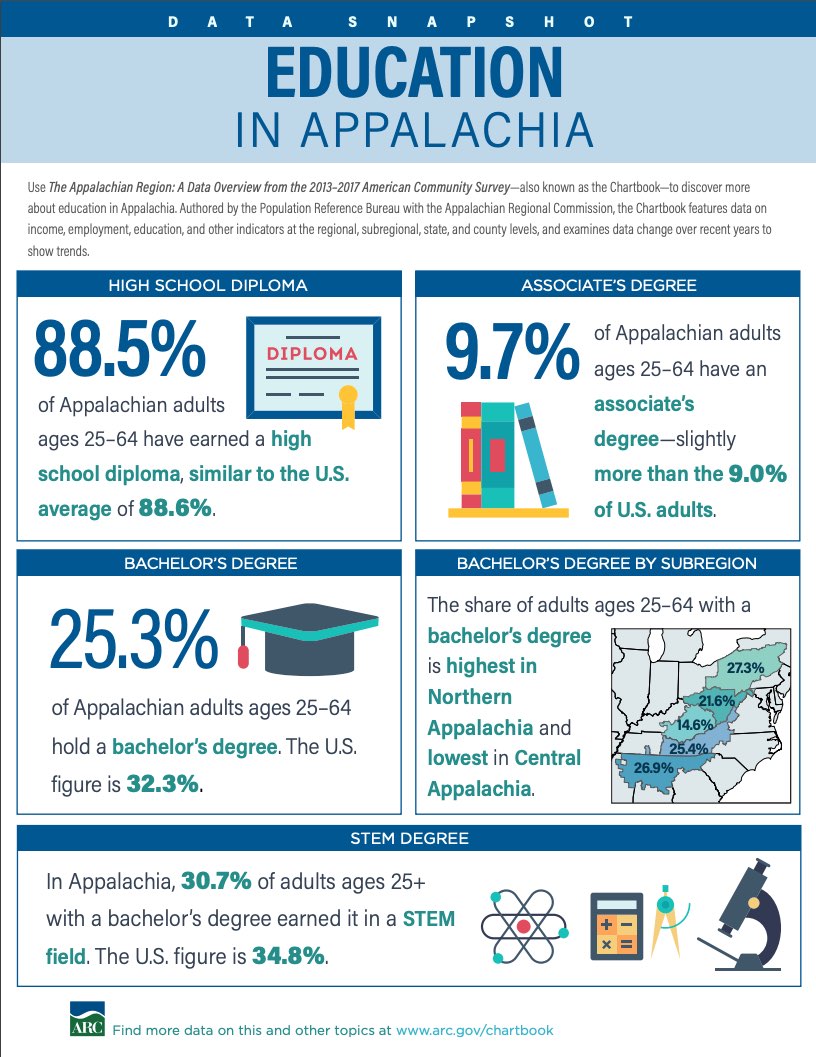
Data Snapshot. Education in Appalachia (2013-2017)

88.5% of Appalachian adults (ages 25-64) have earned a high school diploma, similar to the U.S. average of 88.6%.

View Details Array ( [ID] => 8684 [id] => 8684 [title] => data-snapshot-education-in-appalachia [filename] => data-snapshot-education-in-appalachia.pdf [filesize] => 358883 [url] => https://www.prb.org/wp-content/uploads/2019/05/data-snapshot-education-in-appalachia.pdf [link] => https://www.prb.org/resources/the-appalachian-region-data-overview-arc-chartbook-2013-2017/data-snapshot-education-in-appalachia/ [alt] => [author] => 15 [description] => Data Snapshot: Education in Appalachia (2013-2017) [caption] => Data Snapshot: Education in Appalachia (2013-2017) [name] => data-snapshot-education-in-appalachia [status] => inherit [uploaded_to] => 8679 [date] => 2020-12-19 17:03:07 [modified] => 2020-12-19 17:25:09 [menu_order] => 0 [mime_type] => application/pdf [type] => application [subtype] => pdf [icon] => https://www.prb.org/wp-includes/images/media/document.png ) Download (0.4 MB)

States in the West and South Are Set to Gain Political Clout

(2009) Population trends since 2000 suggest that states in the South and West will gain additional seats in the U.S. House of Representatives after the 2010 Census.

View Details

The State of Metropolitan America

(2010) The State of Metropolitan America, by the Brookings Institution's Metropolitan Policy Program, identifies five demographic trends and developments that dominated the first decade of the 2000s in the 100 largest metro areas of the United States.

View Details

Racial and Socioeconomic Disparities in Old-Age Disability in the U.S.

(2010) Disability in older Americans affects the entire population of the United States because of its impact on the level of health care spending, especially spending on long-term care.

View Details

Slower Growth of U.S. Retirement Destinations Linked to Economic Downturn

(2010) Population growth has slowed in U.S. retirement destinations, despite the large cohort of baby boomers who have begun to reach retirement age, according to new population estimates from the U.S. Census Bureau.1

View Details