(2010) The idea of intentionally harming—let alone mutilating—healthy young girls stirs feelings of anger and injustice. The fact that thousands of girls are mutilated daily in the name of culture, religion, or gender is difficult to imagine.
(2010) Perhaps the greatest satisfaction for a journalist is to see one's reporting produce positive change. Journalists are the link between policymakers and the public, and their role as watchdog is to monitor the actions of government and hold those in charge accountable.
Mother-Daughter Communication About Sexual and Reproductive Health in Rural Areas of Alexandria, Egypt
(2012) In many parts of the world, adolescents are poorly informed about their health, bodies, sexuality, and physical well-being. Adolescent girls in particular are often kept from learning about sexuality and reproductive health (SRH) issues because of cultural and religious sensitivities.
(2009) One in three women will experience an act of violence in their lifetime, whether it is domestic and interpersonal violence; sexual violence; violence in the name of "culture" or tradition; or systemic violence, as in the use of rape as an instrument of war.
(2011) What Works for Women and Girls: Evidence for HIV and AIDS Interventions synthesizes the vast research literature on program interventions (through the end of 2009) to provide clear evidence of what works and what seems most promising for women and girls that improve a range of HIV outcomes.
These two media briefs provide journalists with tools to report stories on climate change using population data to understand who it affects and how their lives are changing.
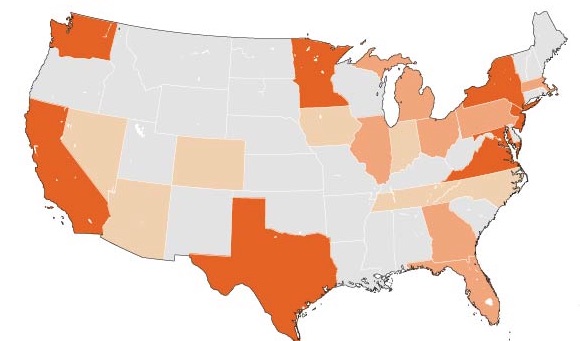
(2016) Although FGM/C is most prevalent in sub-Saharan Africa, global migration patterns have increased the risk of FGM/C among women and girls living in developed countries, including the United States, according to PRB analysis published February 2015.
Population Trends and Challenges in the Middle East and North Africa
(2001) The people of the Middle East and North Africa (MENA) have long played an integral, if sometimes volatile, role in the history of human civilization. MENA is one of the cradles of civilization and of urban culture. Three of the world's major religions originated in the region — Judaism, Christianity, and Islam. Universities existed in MENA long before they did in Europe.