PRB Discuss Online: Population and Climate Change, What Is the Link?
(2009) Climate change may adversely affect the population in many parts of the globe, in particular in developing countries where there is still substantial population growth.

(2009) Climate change may adversely affect the population in many parts of the globe, in particular in developing countries where there is still substantial population growth.

(2013) Lori Hunter is glad that population and environment research is becoming more sophisticated. As editor of the journal Population and Environment for the past five years, she said in a "PRB Spotlights" interview that she's seen the theory behind research become stronger and the methods more creative.
(2014) Gender-based violence (GBV) is a difficult topic, encompassing a wide range of issues—from date rape to intimate partner violence to rape in conflict settings. And interventions that seek to prevent violence or help survivors similarly are unable to cater to all people experiencing abuse, as culture and context can shape both the forms of violence and the needs of victims.

This guide explains what’s behind falling fertility rates, unpacks common assumptions about fertility decline, and explores how policymakers can respond.
Supporting improvements in voluntary family planning and reproductive health activities, including their integration with maternal and child health programs.
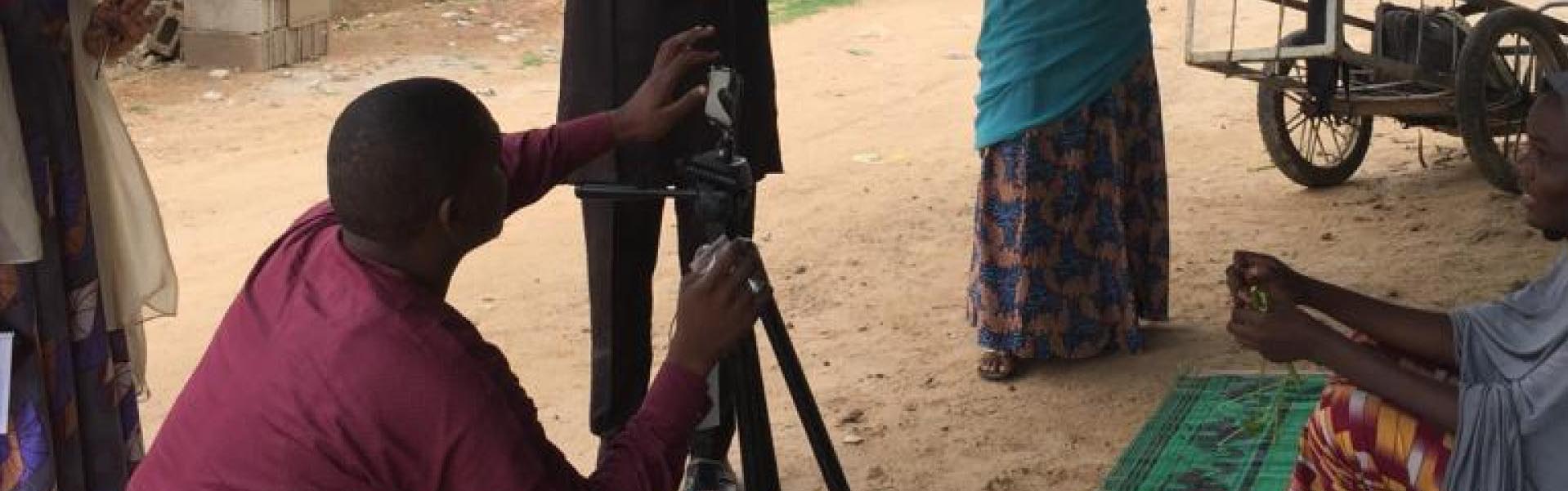
Project: PACE: Policy, Advocacy, and Communication Enhanced for Population and Reproductive Health
PACE’s Youth Multimedia Campaigns training program equips youth advocates with the skills to create innovative digital campaigns, tell compelling population health stories, and build movements for policy change within their countries.
(2015) Senegalese journalist Maimouna Gueye won a 2015 Global Health Reporting award from the International Center for Journalists for stories she wrote after participating in a program organized by the Population Reference Bureau (PRB) in southern Senegal and the capital, Dakar.
(2008) Recent demographic trends have created a youth bulge in the Middle East and North Africa, with nearly one in every five people age 15 to 24. Despite its oil wealth and improved health and education systems, the region's political, social, and economic systems still do not meet the needs of this rapidly growing young population.