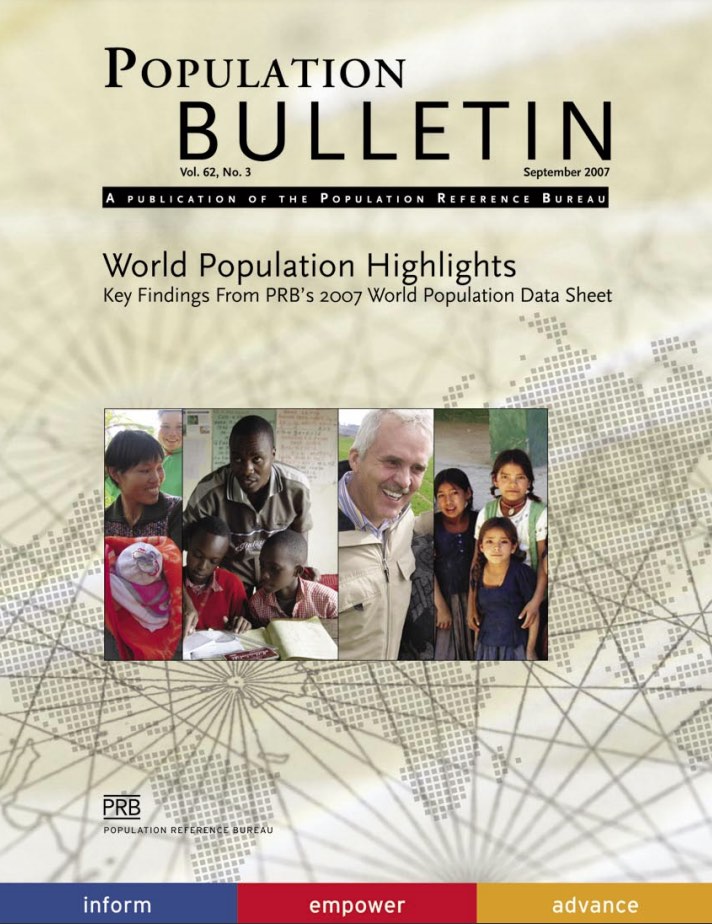
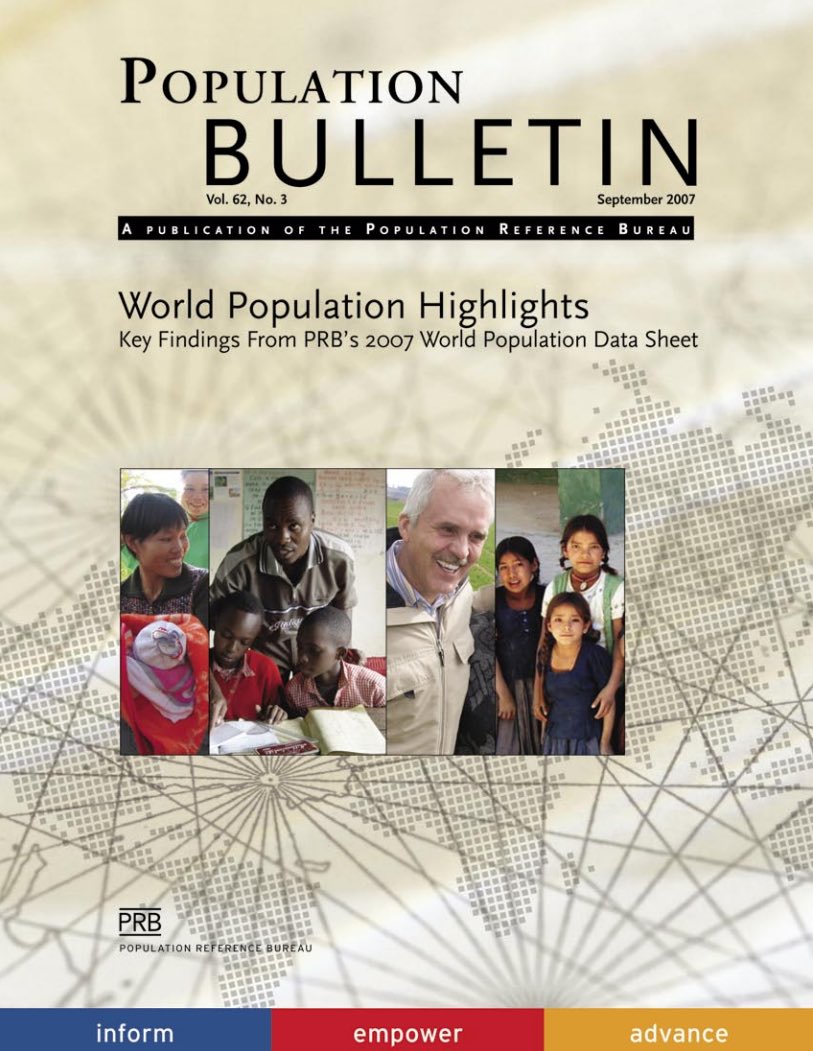
Population Bulletin, vol. 62, no. 3: World Population Highlights 2007–Migration
2007) In 2005, about 191 million people—3 percent of the world's population—were international migrants, according to UN estimates.
View Details
Array
(
[ID] => 13858
[id] => 13858
[title] => Population-Bulletin-2007-62.3Highlights
[filename] => Population-Bulletin-2007-62.3Highlights-1.pdf
[filesize] => 994482
[url] => https://www.prb.org/wp-content/uploads/2007/08/Population-Bulletin-2007-62.3Highlights-1.pdf
[link] => https://www.prb.org/resources/world-population-highlights-2007-migration/population-bulletin-2007-62-3highlights-4/
[alt] =>
[author] => 15
[description] =>
[caption] =>
[name] => population-bulletin-2007-62-3highlights-4
[status] => inherit
[uploaded_to] => 13855
[date] => 2021-01-25 00:30:40
[modified] => 2021-01-25 00:30:40
[menu_order] => 0
[mime_type] => application/pdf
[type] => application
[subtype] => pdf
[icon] => https://www.prb.org/wp-includes/images/media/document.png
)
Download
(1.0 MB)