Data and Demagoguery: Human Rights and Development in the Disinformation Age
“If we're to benefit from the full power of data, we must ensure there is equity and diversity in our collection and analysis of information.” - Jeff Jordan


“If we're to benefit from the full power of data, we must ensure there is equity and diversity in our collection and analysis of information.” - Jeff Jordan
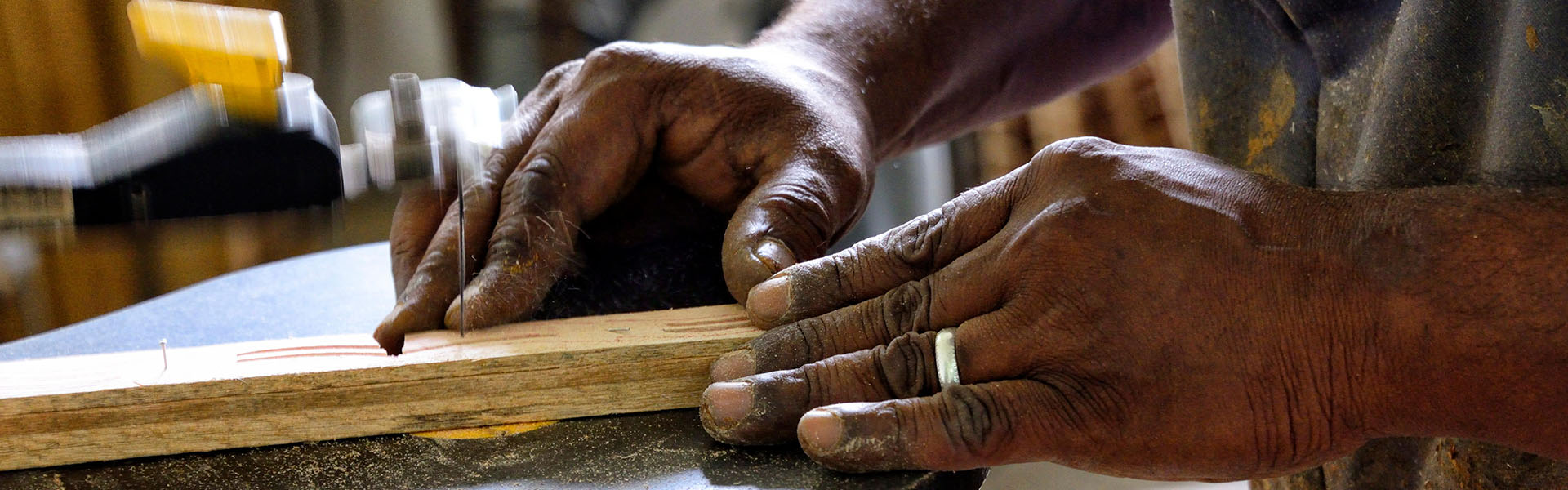
Project: PACE: Policy, Advocacy, and Communication Enhanced for Population and Reproductive Health
The dividends from demographic change are not limited to the economy. PRB’s new interactive web feature shows how maturing age structures open a window of opportunity across four sectors—health, education, economic, and political.
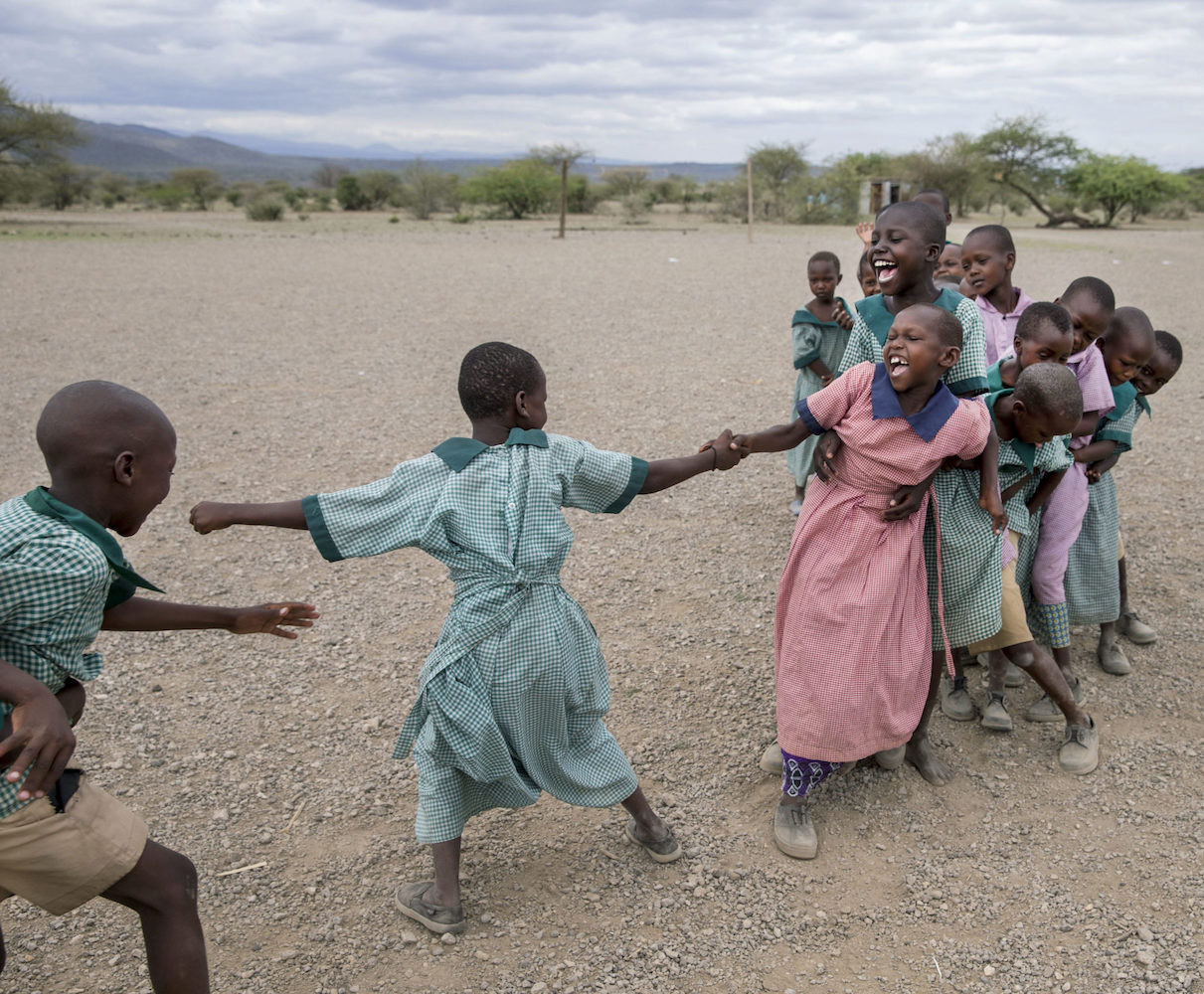
The climate crisis demands nuanced, holistic, and equitable solutions that integrate approaches at the nexus of population, health, and gender, firmly grounded in local knowledge and needs.
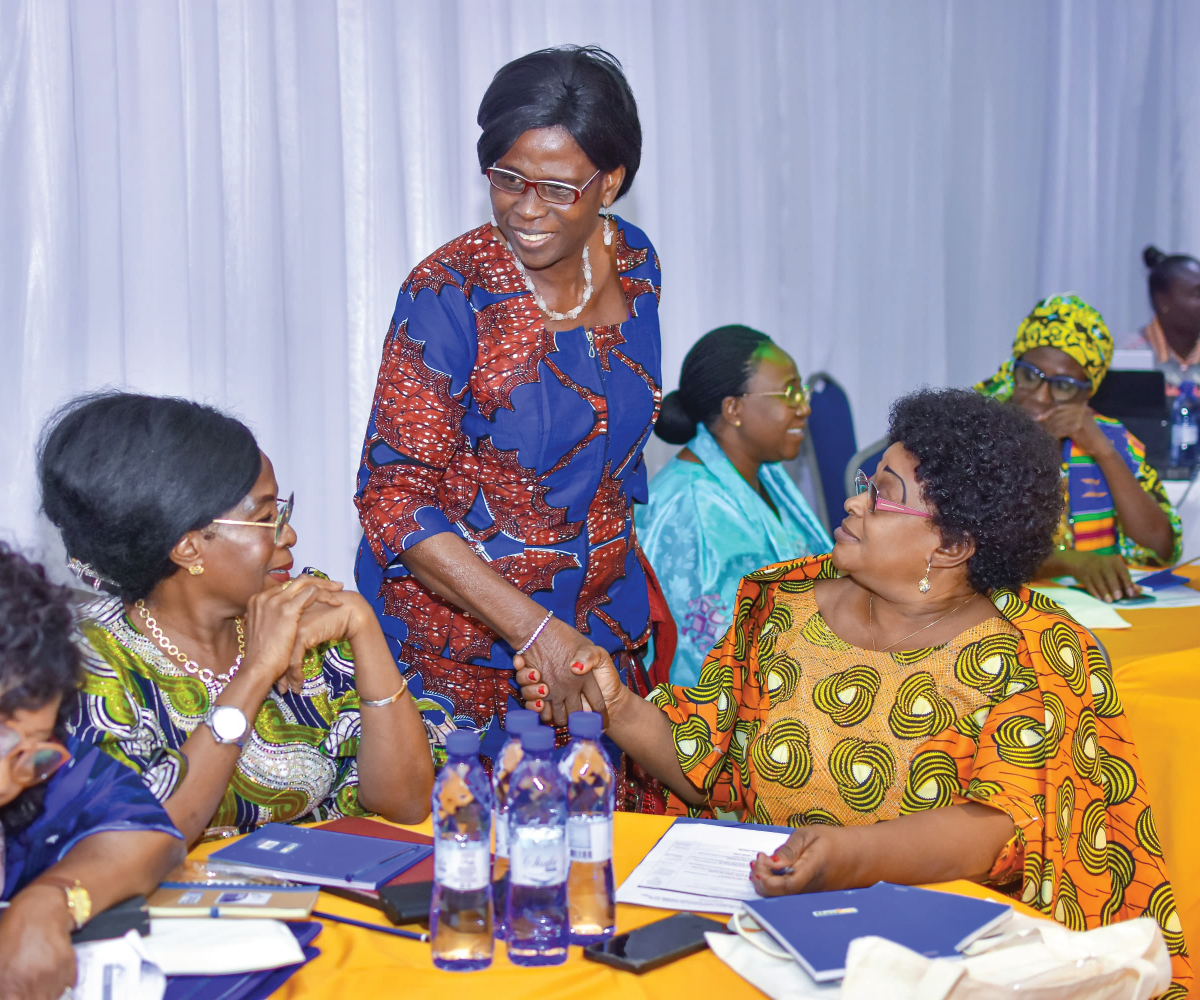
In capital city of Lomé, PRB and longtime partner CREG met with REFAMP Togo to discuss the urgent issues of unpaid care work and demographic transition in West Africa
(June 2009) Development is about improving the lives of people, and policy and fiscal decisions should rely on data that answer who these people are, where and how they live, and how their lives are changing.

(2020) The world is better equipped to fight a pandemic today than it was in 1918, when influenza swept the globe and infected up to one-third of the world’s population.1 While science and medical advances have given us new advantages in fighting disease, some demographic trends since 1918 may increase the risk for spreading contagions and our vulnerability to viruses.
(2005) Ask about "the population problem" to people of a certain age, and the first and perhaps only thing that comes to mind is the "population bomb" or "population explosion."