World Population Highlights 2007: Migration
2007) In 2005, about 191 million people—3 percent of the world's population—were international migrants, according to UN estimates.
(2003) The recent bombings in Saudi Arabia, which killed at least 34 people, have drawn new attention to the kingdom and new pressure on the government of Crown Prince Abdullah to crack down on militant religious forces and root out their influence in schools and other key sectors.
(2008) The U.S. population is set to reach 400 million by 2039, four years earlier than previously projected, according to new population projections from the U.S. Census Bureau.
(2015) According to news reports, Nigerian parliamentarian Babatunde Gabriel Kolawole backed a proposed motion for population policy legislation with projections from PRB’s World Population Data Sheet as evidence of a brewing crisis and the need to take quick policy action to avert it.
Project: BRIDGE: Bringing Information to Decisionmakers for Global Effectiveness
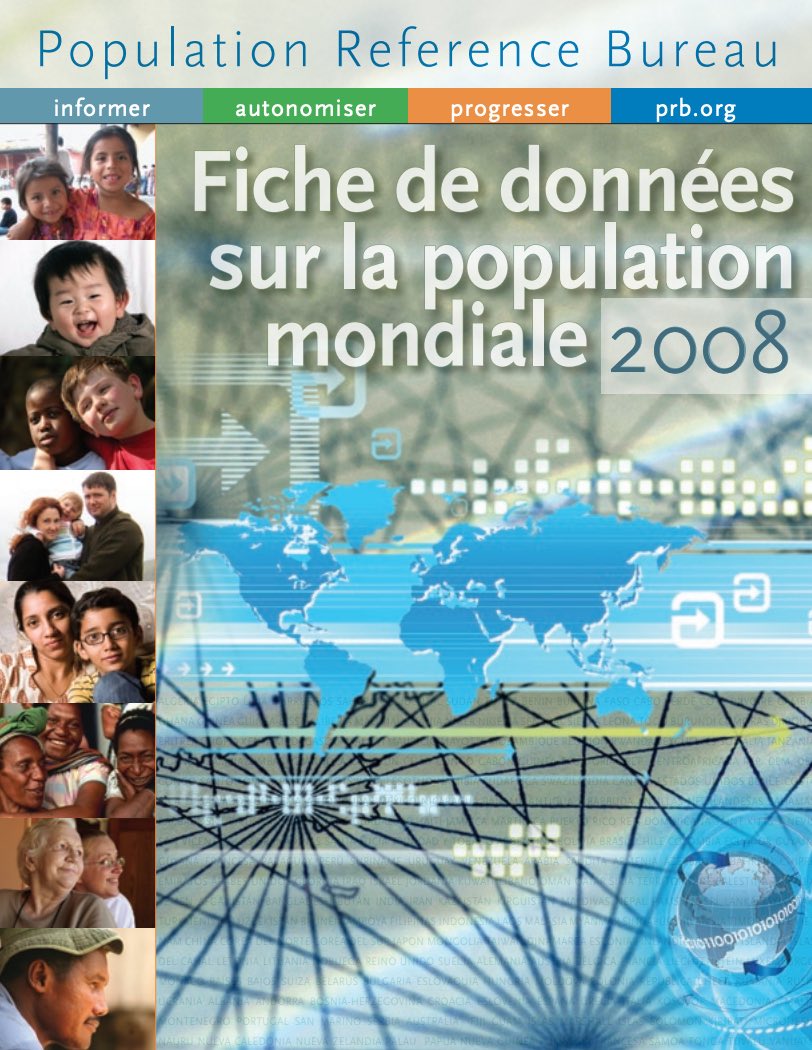
(2008) La fracture démographique — ou inégalité entre les profiles de population et de santé entre pays riches et pays pauvres — se creuse.
(2009) U.S. Asian and Hispanic/Latino population growth rates have started to slow, according to the latest estimates from the U.S. Census Bureau.
Project: Appalachia: Demographic and Socioeconomic Trends
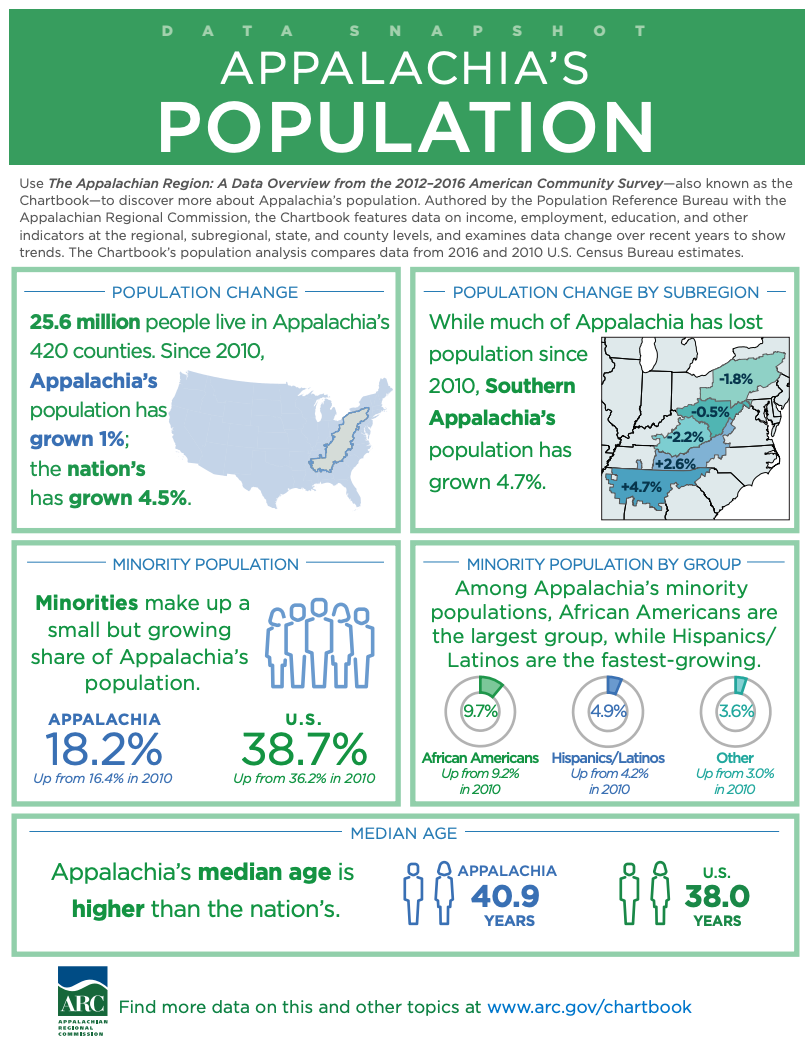
(2018) Since 2010, Appalachia’s population has grown 1%; the nation’s has grown 4.5%. 25.6 million people live in Appalachia’s 420 counties.
Project: PACE: Policy, Advocacy, and Communication Enhanced for Population and Reproductive Health
Fertility rates in the United States dropped to their lowest level in recorded history, with women having an average of 1.7 births in their lifetime. That’s one of the key findings in PRB’s 2019 World Population Data Sheet.
Project: IDEA: Informing Decisionmakers to Act
The integrated population-health-environment (PHE) approach to development recognizes the interconnectedness between people and their environment and supports cross-sectoral collaboration and coordination.