
Stress and Fear Could Take a Toll on Our Health During the Coronavirus Pandemic
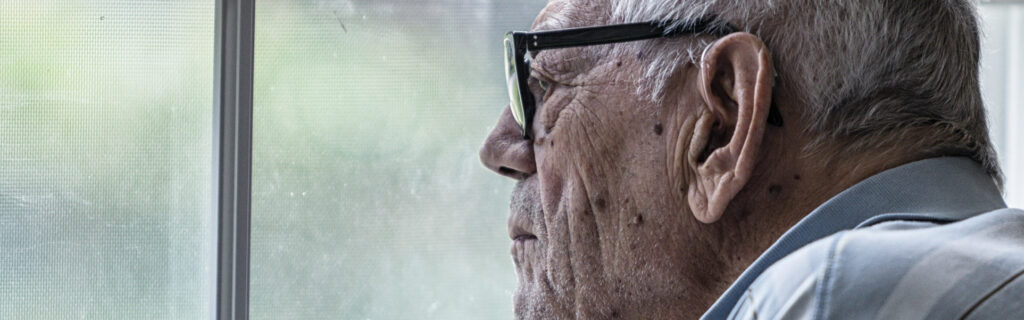
A Population Reference Bureau (PRB) review of recent research shows that stress and fear can alter gene activity and even leave certain people more susceptible to infections like the novel coronavirus.
The findings are based on research supported by the National Institute on Aging that shows that the body’s natural fight-or-flight stress response is heightened in chronically lonely people. This response triggers not only inflammation (the immune system’s defense against bacterial infections), but also inhibits an individual’s antiviral response. Over the long term, inflammation can increase the risk of diseases such as arteriosclerosis, cancer and dementia.
“This research is especially important right now because so many people are anxious about the economy and the impact of the coronavirus on their families’ health and well-being. It is too soon to fully understand how the pandemic could affect our long-term health, but the emerging research gives us some important clues,” said Mark Mather, PRB associate vice president of U.S. Programs.
According to lead researcher, Steve Cole, professor of medicine and biobehavioral sciences at the University of California, Los Angeles (UCLA), “The body doesn’t care what we’re afraid of—fear of the virus or fear of rejection by others, as is common in lonely people. Either type of fear will still stimulate our inflammation system, suppress our interferon system, and mess with a wide range of other physiologic systems we need to keep us healthy.”
Equally concerning for researchers is the impact of deepening poverty and widespread economic insecurity in the wake of the current pandemic. For example, studies following the 2008 recession documented a higher-than-expected rise in risk factors for heart disease and diabetes among Americans ages 45 and older, with negative changes most pronounced among working-age adults and homeowners ages 65 and older.
Researchers were also quick to point to an unexpected discovery: Altruism can help alleviate the negative impact of isolation and loneliness.
A related study led by Teresa Seeman, UCLA epidemiology professor and co-director of the UCLA and University of Southern California Center on Biodemography and Population Health, found that older volunteers who mentored elementary school students experienced immune system benefits.
Jacqui Smith, a professor affiliated with the Michigan Center for the Demography of Aging and Institute of Social Research, also recommends limiting television viewing and spending more time on mentally stimulating activities that involve more social, mental and physical engagement.
Overall, researchers find that people who report that their lives are full of meaning and purpose tend be physically healthier and live longer than people who do not, as are those who report their day-to-day experience as largely positive and satisfying.
About Population Reference Bureau (PRB)
Contact: Liselle Yorke, 202-939-5463
PRB informs people around the world about population, health and the environment, and empowers them to use that information to advance the well-being of current and future generations. Find out more at www.prb.org. Follow us on Twitter @PRBdata.
Related Posts
Understanding and Comparing Population Projections in Sub-Saharan Africa
The release of a new set of population projections by the Institute for Health Metrics and Evaluation (IHME) in July 2020 was greeted with extensive coverage in the media and stimulated fresh debate among demographers about calculation and communication of projections.