Children Are Already Undercounted in the Census. Proposed Changes Could Make It Worse.
Newly proposed rules for who is counted and where could make millions of children harder to count in the 2030 Census.


Area of Expertise
A healthy democracy depends on strong, reliable public data.

We safeguard access to public data, support data literacy, and turn information into insights that drive change.
A just, equitable society and thriving democracy depend on trustworthy, independent, and accessible public data. Yet these foundations face growing threats, including erosion of public data systems through disinvestment and declining trust; distortion through manipulation, suppression, or selective use of evidence; exploitation through surveillance, misuse, or repurposing of data in ways that undermine privacy and civil liberties; and exclusion when people and communities lack access to the information needed to exercise power and hold institutions accountable. These threats have real consequences for democratic representation, the equitable allocation of public resources, public trust, and the ability of communities to make their needs visible and influence decisions that affect their lives.
PRB’s approach to data stewardship goes beyond protecting datasets to safeguarding the institutions, infrastructure, independence, responsible governance, and public access that make data a democratic public good. Through research, coalition-building, strategic communications, and policy engagement, PRB helps defend data integrity, strengthen safeguards against misuse, build public trust, and equip journalists, advocates, communities, and decisionmakers to use evidence to advance equity and accountability. The goal is to ensure that public data remain a source of knowledge, civic power, and democratic accountability.
We help build stronger data ecosystems by connecting data producers, policymakers, researchers, civil society organizations, and funders. We generate evidence, convene diverse stakeholders, translate complex technical issues into practical guidance, and strengthen the institutions that make high-quality population data possible.
Our work includes:
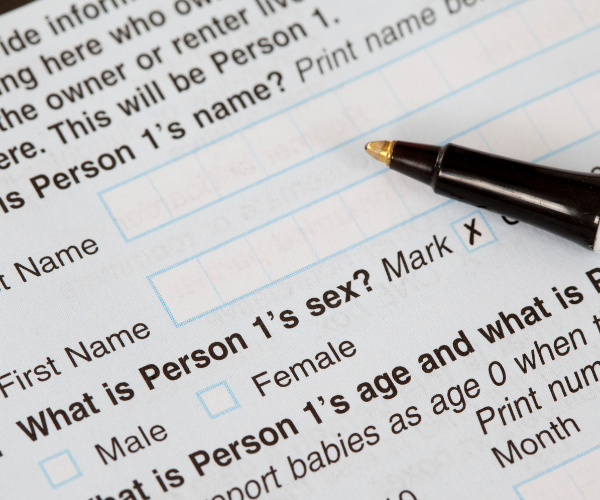
Newly proposed rules for who is counted and where could make millions of children harder to count in the 2030 Census.
What we know (and don’t) ahead of the 2030 Census
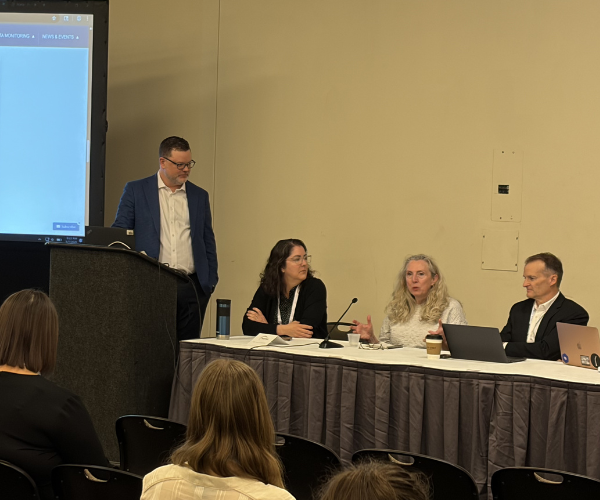
At the PAA Annual Meeting, global data experts discussed progress and the work ahead to build a sustainable survey system

At the 2026 PAA Annual Meeting, researchers and data advocates warned of mounting threats to federal statistics—and shared practical ways to respond.
Here are four big reasons why we’re worried—and why you should be too.

A tiny budget powers trillions in economic decisions, but flat funding threatens data quality

Demographic and health data don’t just inform policy. They shift power.

Experts point to key dynamics challenging policymakers, health care planners, and families

Report from ARC and PRB finds decreased unemployment, increased labor force participation, and higher homeownership in Appalachia—but the Region still lags behind the U.S.

This convening held on May 7-8, 2025, brought together key stakeholders—including leaders from National Statistical Offices, donor organizations, partner organizations, and data user groups—to identify opportunities and priorities for collaboration to protect current data and preserve ongoing data collection activities.
PRB hosted a high-level webinar with budget experts, parliamentarians, and national directors to discuss the importance of the Demographic Dividend Sensitive Budgeting approach in enhancing budgeting processes across Africa.

This guide includes an overview of each major data source, including what data are available, how to access that data, and some best practices for using each source.

PRB is working with governments, donors, researchers, and international organizations to strengthen the future of population and health data systems. Through support from the Conrad N. Hilton Foundation, PRB is convening global stakeholders, conducting country consultations, developing comparative assessments of survey and routine data systems, and helping identify sustainable pathways for maintaining decision-ready demographic and health information.
We convene researchers, advocates, and policymakers to safeguard America’s statistical infrastructure and support open, inclusive data. The Federal Data Forum builds cross-sector collaboration to identify risks early and keep federal data strong, trusted, representative, and ready to guide decisions. Launched in 2025, the forum has convened over 500 members representing government, academia, and civil society in its inaugural year.
We create handbooks, videos, and other user-friendly resources that help diverse groups—from journalists to business leaders to local and state governments—interpret and apply data from the American Community Survey and the decennial U.S. Census. These tools help advocates and decisionmakers identify problems in their communities—and develop targeted solutions.
Our interactive maps spotlight counties at high risk of undercounting young children, and reports assess the consequences of undercounts for underrepresented groups and individual states. Local governments, philanthropies, and community groups use these insights to target outreach, boost participation, and protect fair representation and resources.
When threats emerge, PRB mobilizes quickly. With partners such as the Association of Public Data Users and DataIndex.US, we convene timely roundtable briefings to coordinate action and protect surveys like the American Time Use Survey and Medicare data, so debates about work, health, and family are grounded in evidence.