4.1 million
viewers
reached by media coverage of our U.S. state contraceptive policy scorecard

Area of Expertise
We equip global stakeholders with the data, skills, and strategies they need to drive lasting change in policy, in practice, and in people’s lives.
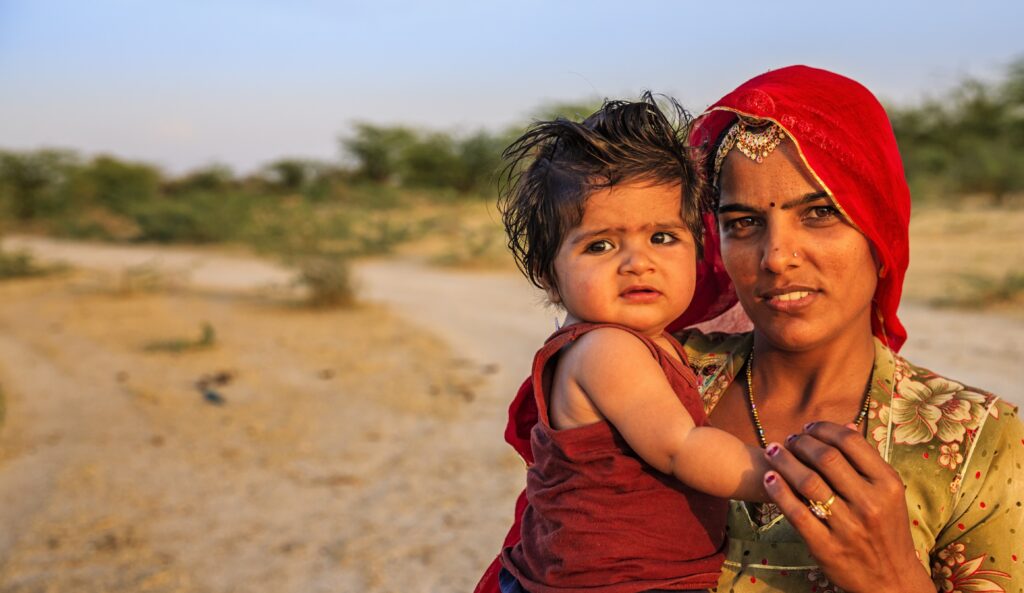
Our goal is simple: A world where everyone, everywhere, can access care that honors their body, their choices, and their voice.
Sexual and reproductive health (SRH) is essential to the autonomy, health, and dignity of individuals and the well-being of communities. When people can access SRH care that respects their rights and reflects their realities, they live with more freedom, health, and possibility.
Accessible SRH care doesn’t happen by accident; it happens when policies are built on data and data is grounded in people’s lived experiences. Our work includes:
At the PAA Annual Meeting, global data experts discussed progress and the work ahead to build a sustainable survey system

At the PAA Annual Meeting, global data experts discussed progress and the work ahead to build a sustainable survey system
Hotter weather shifts the balance of births toward fewer males than usual. This matters for maternal health, gender inequality, and the makeup of populations.

Earlier this month, Dr. Mehmet Oz introduced a new demographic buzzword into the public conversation. Is there any truth to this concern?

New research links Medicaid with better access to preferred birth control methods, especially in disadvantaged neighborhoods—but these neighborhoods are concentrated in states that have not expanded the insurance program.

Care, the future of work and AI, and other themes we’re keeping an eye on in the new year

New research shows how age, place, and social patterns drive the spread and death toll of flu, HIV, and COVID-19

This guide explains what’s behind falling fertility rates, unpacks common assumptions about fertility decline, and explores how policymakers can respond.

Demographic and health data don’t just inform policy. They shift power.

A new study finds that a teenager’s age, ethnicity, and pregnancy history may influence which contraceptives clinicians recommend to them.

When Texas enacted a total abortion ban in 2022, it changed the legal landscape for pregnancy care. Because the medications and procedures used to treat miscarriage are also used in abortion care, the policy may have influenced how clinicians manage pregnancy complications.

This guide explains what’s behind falling fertility rates, unpacks common assumptions about fertility decline, and explores how policymakers can respond.

PRB and EngenderHealth, with support from the David and Lucile Packard Foundation, will help the global SRHR community understand, discuss, and navigate concerns about declining fertility rates, so that women’s rights and choice are protected.
PRB is assessing the favorability of the policy environment for contraceptive access nationally and within each U.S. state so that state policies and programming can be easily interpreted and compared.
USAID Stawisha Pwani seeks to increase the use of quality, sustainable, and county-led health services and systems for communities living in Kenya’s coastal counties of Kilifi, Mombasa, Kwale, and Taita Taveta.
PRB is a partner on the PROPEL Health project, which is working to support more equitable and sustainable health services, supplies, and delivery systems through policy, financing, governance, and advocacy.
PRB is sharing evidence on early childhood development (ECD) in East and Southern Africa so that it reaches a wide set of global stakeholders and is used to improve programming, policy, and investments for ECD.
PRB is a partner on the Palladium-led, USAID-funded Health Policy Plus (HP+) project that strengthens and advances health policy priorities at global, national, and subnational levels.