
A Vision for the Health and Well-Being of Malawi's Young People
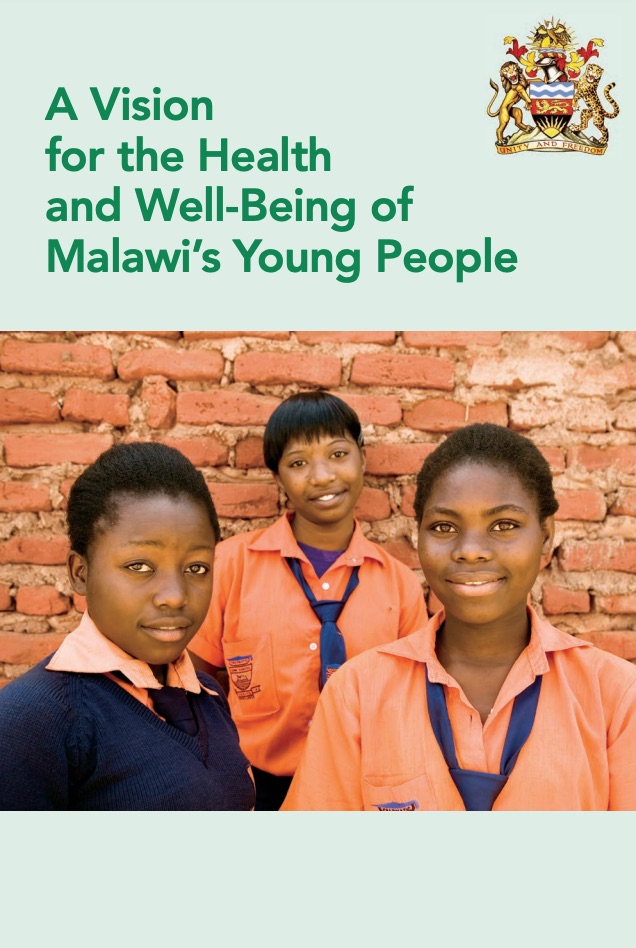
(April 2014) Malawi’s large population of young people has special significance for national development. Today, Malawi has the largest population of youth in its history, accounting for 40 percent of Malawi’s total population (16.3 million people).
The population will continue to grow quickly as the current large generation of children and adolescents grow up and have children of their own. Even if fertility rates decrease, the size of the youth population is projected to increase to 9.3 million by 2025 and to 13.9 million by 2050, guaranteeing that Malawi will have a large youth population for the next 40 to 50 years. If Malawi succeeds in decreasing fertility, as the children of today grow up, they will form a “youth bulge” in Malawi’s population structure. These young people hold great potential as drivers of economic growth through participation in labour markets and as consumers. A young population can also be a resource for innovation and for the development of healthy democracies.
However, to harness the potential and reap the benefits of a youthful population, Malawi should make the right investments in current and future generations of young people.
There is a need to invest in health and education systems for children and youth as well as create a favourable and enabling policy environment for future youth development. Ensuring that education, health and employment systems can meet the needs of today’s youth and absorb even larger numbers of young people in the future will help support more sustainable development. Helping young people complete their education, prevent unintended pregnancy and HIV infection, accumulate skills that are relevant to the job market and start an independent livelihood are critical to ensure they can positively engage in civil society and contribute to the development of Malawi. These investments will not only protect the health and well-being of young people and equip them with the knowledge and skills to positively shape their families and communities, but will also lead to greater social and economic development at the national level.
Related Posts
Power and Partnership: Supporting Youth Through the PACE Project
PACE’s approach to listening to and meaningfully supporting youth partners’ goals has developed into an intentional model.
Adolescents and Youth Are Key to Fully Achieving Universal Health Coverage
In 2021, adolescents and youth between ages 10 and 24 are estimated to make up approximately 24% of the world’s population.
The Nation’s Preexisting Condition: How Rising Inequality Exacerbated the Economic Toll of the Coronavirus
In 2019, many economic indicators seemed to be pointing in the right direction. The unemployment rate had fallen to its lowest level since 1969, the poverty rate fell to the lowest level in 60 years, and the Dow Jones Industrial Average reached an all-time high.
Fostering Employment in Productive Sectors to Maximize Ethiopia’s Potential to Reap a Demographic Dividend
Declining mortality and fertility rates are transitioning Ethiopia toward an age structure that has the potential to provide significant economic benefit.