
Committing to Localization: Centering Youth in Sustainable Development
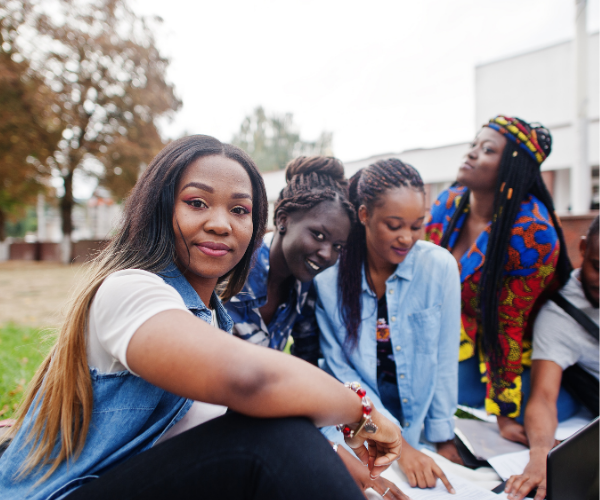
Over the past decade, the global development aid sector has increasingly recognized the importance of localization and power-shifting. At PRB, we have been engaging with these ideas for several years, integrating them into our work and learning. Through our participation in initiatives like TIME (Transforming INGO Models for Equity), we have been deeply engaged in rethinking the future of technical assistance—both within the sexual and reproductive health and rights (SRHR) sector and across broader development spaces.
Beyond theory, PRB has made a continuous effort to align our work with a future where technical assistance strengthens locally, rather than replaces, countries’ expertise. Working at the intersection of demography, economic growth, and inclusive development, we recognize that the future of the workforce—especially youth employability—is inseparable from the future of sustainable development.
As technical partners, we also embrace a social responsibility: contributing to the professional growth of young leaders in our partner countries.
We also recognize that true localization is about more than institutions and systems; it is about individuals. Strengthening local capacity means seeing young professionals not just as project beneficiaries, but as citizens and future leaders shaping the trajectory of their countries.
Through our collaboration with youth SRHR advocates—particularly in the co-leadership of the ICFP Power-Shifting Community of Practice and the preparation of sessions for ICFP2025—we have been reminded of a vital truth: accelerating localization requires more than shifting resources; it demands long-term investment in building the next generation of technical leaders.
Our new blog series reflects our ongoing commitment to these values; explore the articles in the links below. Through storytelling, strategic insights, and reflections, we share how PRB is working to support young, locally rooted expertise as essential drivers of sustainable, equitable development.
Related Posts
Why Americans Are Delaying Parenthood
Four studies offer new insights on the decision to have kids in a low birth rate era.

Power and Partnership: Supporting Youth Through the PACE Project
PACE’s approach to listening to and meaningfully supporting youth partners’ goals has developed into an intentional model.
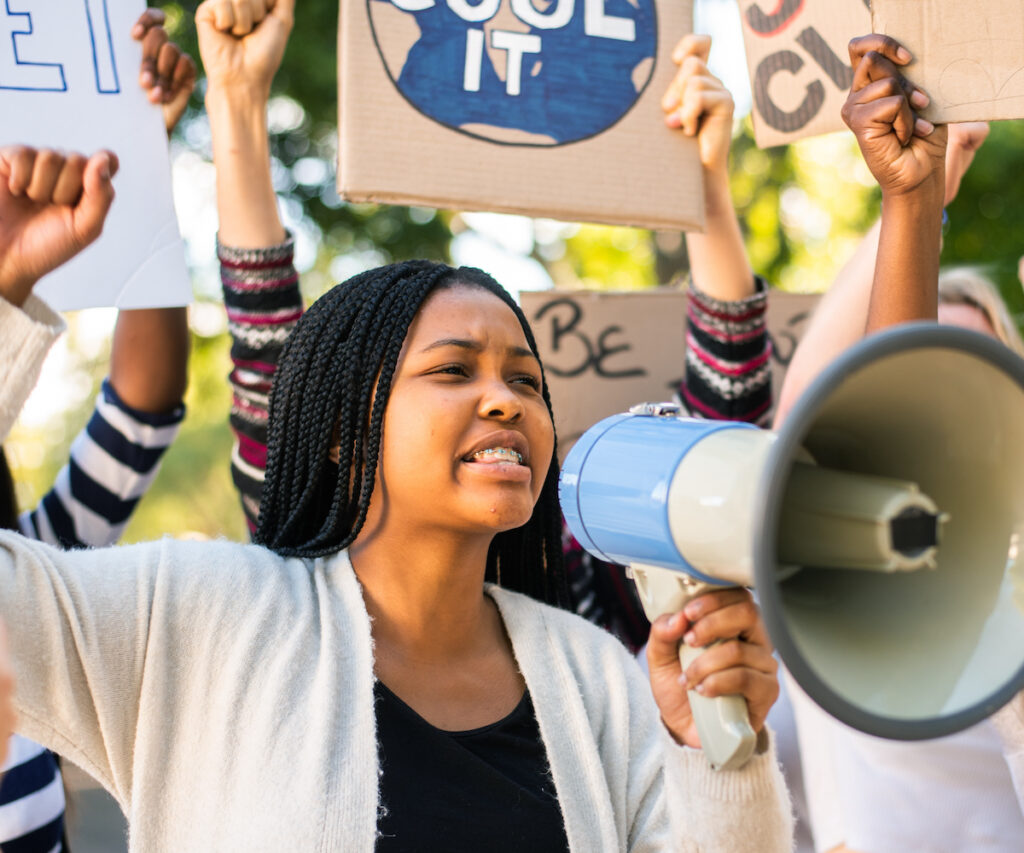
Adolescents and Youth Are Key to Fully Achieving Universal Health Coverage
In 2021, adolescents and youth between ages 10 and 24 are estimated to make up approximately 24% of the world’s population.
The Nation’s Preexisting Condition: How Rising Inequality Exacerbated the Economic Toll of the Coronavirus
In 2019, many economic indicators seemed to be pointing in the right direction. The unemployment rate had fallen to its lowest level since 1969, the poverty rate fell to the lowest level in 60 years, and the Dow Jones Industrial Average reached an all-time high.