
How Depopulation Is Slowing Economic Growth in Shelby County, Tennessee
As someone who grew up in Shelby County, Tennessee, I’ve always seen this place as full of potential, rich in culture, history, and community. It shocked me to hear that the county lost 3,379 residents in 2024, more than any other in the country.
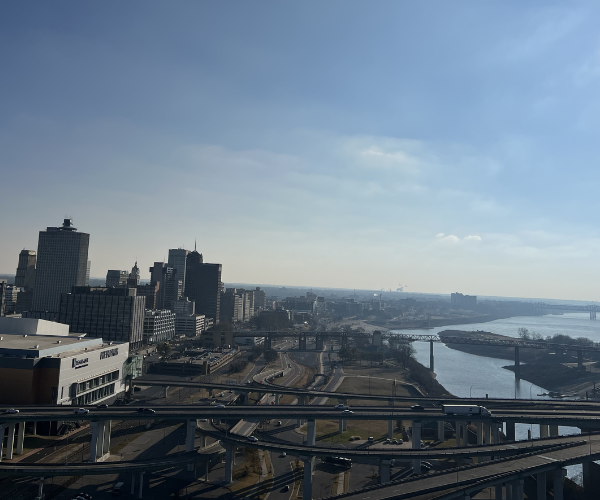
This is the second piece in Ben Tracy’s blog series highlighting the effects of population decline as part of his 2025 summer internship. You can find his first article on how one region in Japan’s sake industry is tackling the issue here.
As someone who grew up in Shelby County, Tennessee, I’ve always seen this place as full of potential, rich in culture, history, and community. It shocked me to hear that the county lost 3,379 residents in 2024, more than any other in the country. This pattern isn’t new. What surprised me even more was that Shelby County has seen population losses in all but one of the past 12 years. This depopulation is a direct hit to Shelby county’s economic engine and a roadblock to economic development.
One of the largest effects of depopulation is labor shortages. Shelby County is already seeing shortages in key sectors such as logistics, healthcare and education. As of June 2023, healthcare employment growth within the county was 9%, which fell significantly lower than the 17% national average at the time. Despite the logistics sector growing, Tennessee’s Department of Labor and Workforce Development reported over 18,000 openings for truck drivers. FedEx and St. Jude are crucial Memphis-based companies in these sectors and when they can’t hire, they do not grow. Economic development depends on talent, and right now, Shelby County is losing it. It’s not just big employers. Small businesses are feeling the squeeze too. Fewer residents mean fewer customers. That’s led to slower sales, tighter margins, and in some cases, closures. It creates a vicious cycle of fewer people lead to fewer businesses, which leads to fewer jobs and further hindering economic development.
A declining population also means a shrinking tax base. With fewer people paying property and sales taxes, the county has less money to invest in schools, infrastructure, and public services. That makes it harder to attract new residents or businesses. According to the U.S. Census Bureau, there are just under 47,000 vacant housing units in Shelby County. These vacant spaces and storefronts don’t just look bad, they are a missed opportunity to utilize them to promote vibrant communities. High vacancy rates can lead to crime, disinvestment, and a sense that a neighborhood is being left behind.
Despite these trends, there are signs of hope. Memphis was selected as a finalist for a $200 million from the Economic Development Administration’s “Distressed Area Recompete Pilot Program.” The Memphis Chamber of Commerce planned to use that funding to invest in workforce development, infrastructure, and inclusive growth. Downtown Memphis is seeing a wave of revitalization, with new apartments, hotels, and retail spaces bringing energy back to the city’s core. A few examples of this include renovating one of the tallest buildings in Memphis into a mixed-use residential, office space and retail center as well as plans to redevelop the historic Sterick Building. These projects show what’s possible when public and private investment come together with a clear vision.
Economic development isn’t just about landing big companies. It’s about building a place where people want to live, work, and stay. Shelby County has the culture, the history, and the potential. But without people, it can’t thrive. Reversing depopulation isn’t just a challenge, it’s a chance to rethink how we grow, invest, and build a future that works for everyone.
Related Posts
Understanding and Comparing Population Projections in Sub-Saharan Africa
The release of a new set of population projections by the Institute for Health Metrics and Evaluation (IHME) in July 2020 was greeted with extensive coverage in the media and stimulated fresh debate among demographers about calculation and communication of projections.