
PopWire: Child Well-Being in Developed Countries
Related Posts
- Insights
post
Why Americans Are Delaying Parenthood
Four studies offer new insights on the decision to have kids in a low birth rate era.

- Insights
post
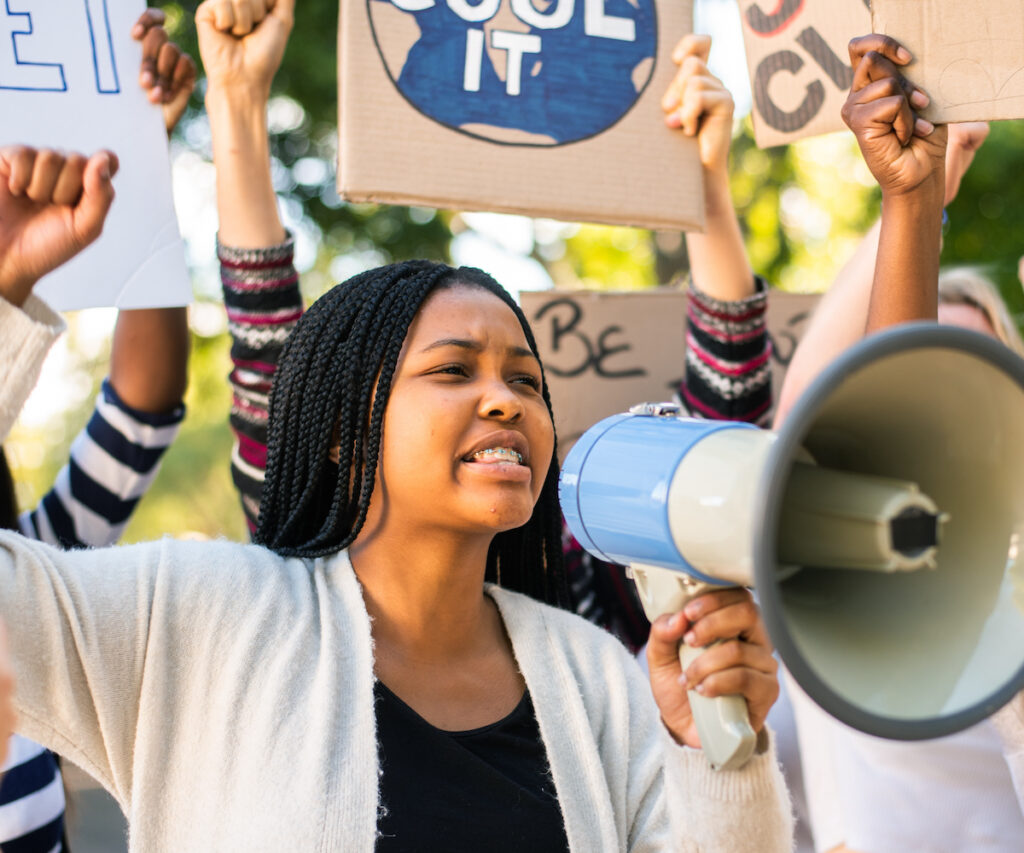
Power and Partnership: Supporting Youth Through the PACE Project
PACE’s approach to listening to and meaningfully supporting youth partners’ goals has developed into an intentional model.
- Insights
post
Adolescents and Youth Are Key to Fully Achieving Universal Health Coverage
In 2021, adolescents and youth between ages 10 and 24 are estimated to make up approximately 24% of the world’s population.
- Insights
post
Malawi District Infographic Fact Sheets
While there are a lot of data available to support population advocacy efforts, there is little capacity to use the data to inform policy audiences and support prioritizing population in the national development agenda.
- Insights
post
America's Future: Latino Child Well-Being in Numbers and Trends
(April 2010) The demography of the United States is changing at an accelerated pace. Over the past 20 years, the number of Latino children under age 18 living in the United States has doubled, making them one of the fastest-growing segments of the national population.
- Insights
post
Poverty Is a Persistent Reality for Many Rural Children in U.S.
(2009) Although child poverty conjures up an urban image for most Americans, one-fifth of children in poverty live in rural areas. Poverty rates are higher for rural than for urban children, and the gap has increased in recent years.