Regional Profiles of Population, Health, and Environment Issues in the Philippines
(April 2008) National data can sometimes blur internal, regional differences in population, health, and the environment (PHE). This is especially true in the Philippines, the 12th most-populous country in the world. With some 7,100 islands and a highly decentralized government, the Philippines varies considerably from region to region. To help raise awareness of PHE links at the regional level, the Population Reference Bureau has published a new series of regional population, health, and environment profiles for the Philippines.
Download “Profile of Cagayan Valley” (PDF: 1.1MB)
Download “Profile of the National Capital Region” (PDF: 1.0MB)
Download “Profile of Central Visayas” (PDF: 1.4MB)
Download “Profile of Autonomous Region in Muslim Mindanao” (PDF: 1.3MB)
Download “Profile of Calabarzon Region” (PDF: 887KB)
The first three regional profiles cover the National Capital Region (NCR), Central Visayas (Region 7), and Cagayan Valley (Region 2). Each region is unique in its geography, natural resource and biodiversity issues, and health and economic status.
The National Capital Region, the smallest of the country’s administrative regions, is a completely urban landscape. In contrast, the Cagayan Valley Region is geographically large and predominantly rural. The Central Visayas Region contains several small island communities yet is experiencing rapid urbanization, mostly around Cebu City.
These regional profiles cover reproductive health, socioeconomic variables, and environmental factors. They highlight the most relevant regional-level data and trends. In addition, selected development projects highlight examples of integrated approaches to development and opportunities for more collaboration across sectors. For more information on similar kinds of PHE data for the Philippines, see the Population Reference Bureau’s (PRB) 2006 data sheet, Making the Link in the Philippines.
PRB started this series covering key regions for its partners in the Philippines’ Population, Health, and Environment Network. The network promotes a vision of healthy people living harmoniously with nature in a healthy environment. These publications were supported by a grant from the David and Lucile Packard Foundation.
Two more regional profiles will be published in summer 2008, and will feature the Autonomous Region of Muslim Mindanao and Region IV-A.
Related Posts
1 in 6: The Global Crisis Very Few Are Funding (And Why We Should Be)
Infertility receives nowhere near the attention or funding of fertility decline or aging despite asking the same fundamental question.

Adolescents and Youth Are Key to Fully Achieving Universal Health Coverage
In 2021, adolescents and youth between ages 10 and 24 are estimated to make up approximately 24% of the world’s population.
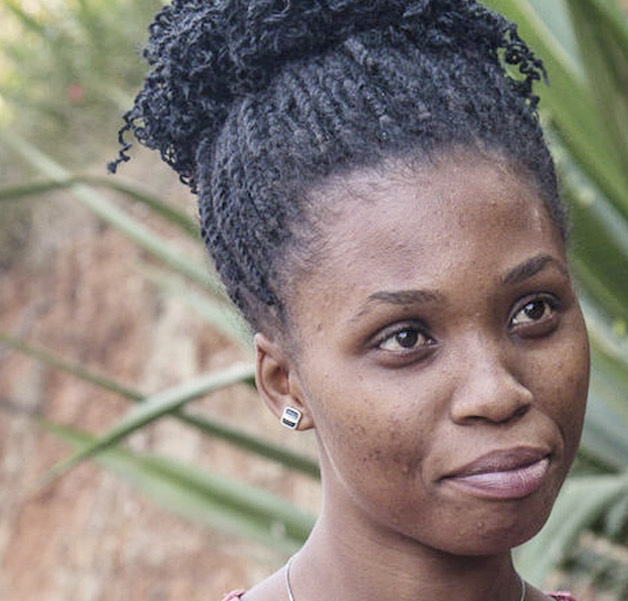
Aging and Health in China: What Can We Learn From the World’s Largest Population of Older People?
The United Nations projects that there will be 366 million older Chinese adults by 2050, which is substantially larger than the current total U.S. population of 331 million.