
Supporting Indonesia’s Quest to Reduce Neonatal Mortality With Research Evidence
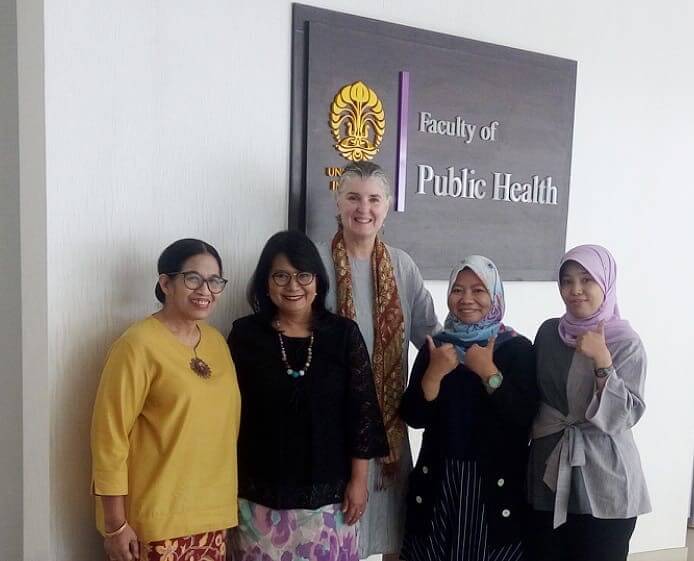
In spring 2019, I had the privilege of working with an energetic team of public health faculty and graduate students at the University of Indonesia led by Professors Asri Adissamita and Hadi Pratomo. Under USAID’s Research Technical Assistance Center, the UI team received specialized technical assistance to develop a Research-to-Action Plan to promote the use of Kangaroo Mother Care (KMC)—an evidence-based intervention involving continuous skin-to-skin contact between low birth weight (LBW) newborns and their caregivers (usually mothers) to help maintain the infant’s body temperature and improve health and survival.
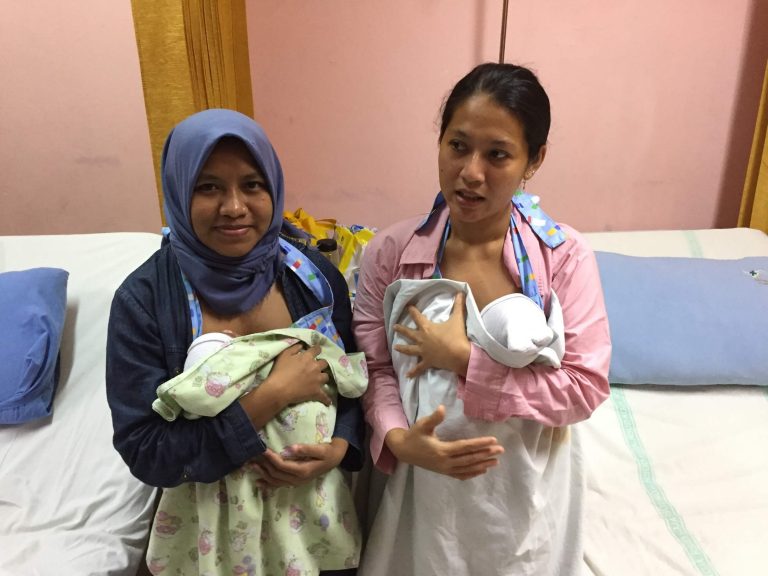
In the course of developing a Research-to-Action Plan, I accompanied the UI team to meetings with dozens of stakeholders, including clinicians, administrators, and policymakers who greeted the researchers with enthusiasm. We encountered widespread interest in data and evidence to advance Indonesia’s goal of reducing neonatal mortality from the current 15 per 1000 to less than 10 per 1000 by 2030.
The Indonesia Ministry of Health (MOH) endorses the use of KMC but, to date, has not provided guidance or training materials for implementing and assessing the effectiveness of KMC methods. “The [KMC] policy is there, but the implementation is weak,” said Hadi. To address this weakness, the UI team implemented and evaluated (implementation science) a pilot KMC training methodology and referral system in two hospitals and their surrounding communities in different parts of Indonesia. The three-year study was supported by the U.S. Partnerships for Enhanced Engagement in Research (PEER).
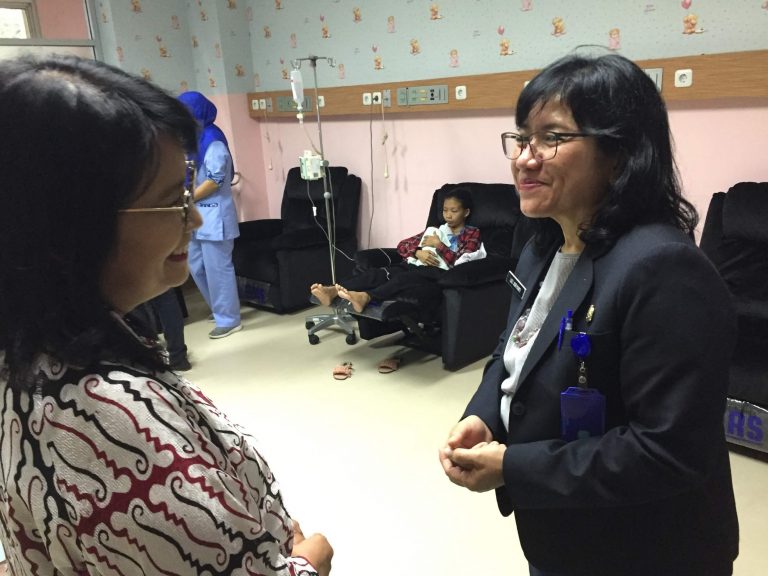
“The findings were very different in the two hospitals,” reported Asri. Koja Hospital in North Jakarta showed accelerated weight gain and statistically significant decreases in the length of hospital stay for the LBW newborns in KMC compared with those babies exclusively treated in an incubator. Qualitative research also measured increased satisfaction among parents, hospital staff, and community health workers in North Jakarta. The results from second hospital (located in the Karawang District, West Java) did not show improvement from the baseline.
Asri pointed out that receiving different results from the same training curriculum and methodology is not uncommon in Indonesia, an Island nation with diverse populations, but poses problems for the MOH in scaling up the use of a training curriculum nationwide. To support effective scale up, the team has proposed conducting additional research to understand the facilitators and barriers to uptake of the training and methodology. Participants in the stakeholder consultations agreed that promising results achieved in pilot programs in Indonesia often fail to be sustained when the program is brought to scale.
“We support evidence-based interventions and there is good evidence for KMC. The Ministry of Health has a Newborn Action Plan and their current issue is scale up. KMC has been implemented for 10 to 15 years in Indonesia, but not at scale,” explained Sigit Sulistyo, Maternal Child Health Specialist at USAID/Indonesia.
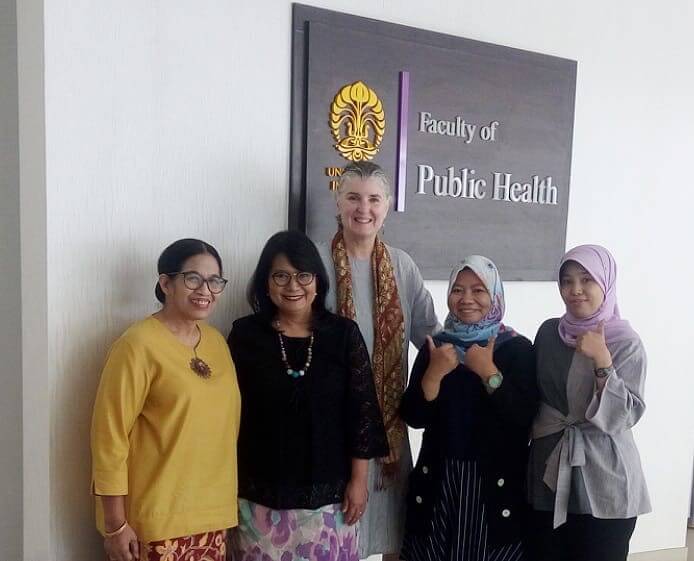
The UI team now has a Research-to-Action Plan based on their findings that reflect the practical needs and processes involved in promoting KMC by hospitals, pediatricians, community health workers, and government health offices at the district, provincial, and national levels. They are working collaboratively with a variety of stakeholders to disseminate actionable recommendations about how KMC training curriculum and methodology can be scaled up to reduce neonatal mortality and improve infant health in measurable ways.
Related Posts
Understanding and Comparing Population Projections in Sub-Saharan Africa
The release of a new set of population projections by the Institute for Health Metrics and Evaluation (IHME) in July 2020 was greeted with extensive coverage in the media and stimulated fresh debate among demographers about calculation and communication of projections.