
Research-to-Action: Reducing the Burden of Childhood Tuberculosis in the Northern Philippines
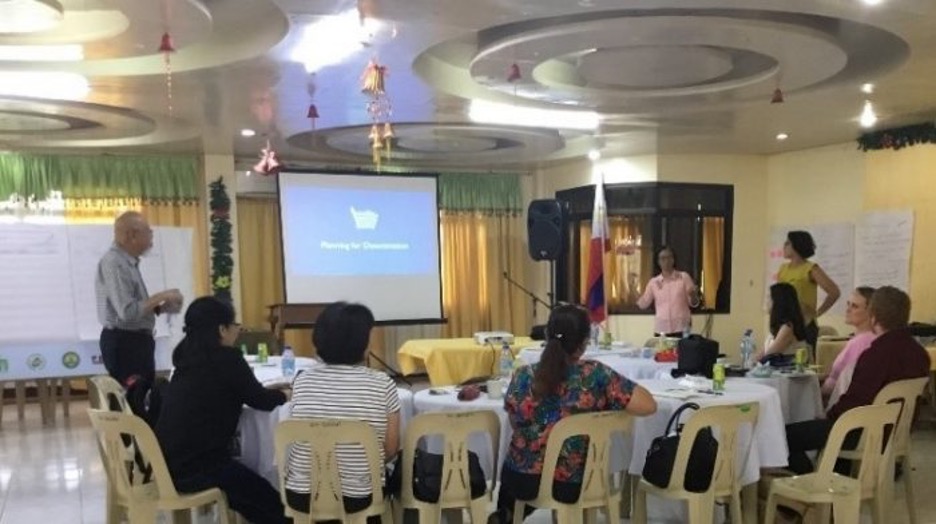
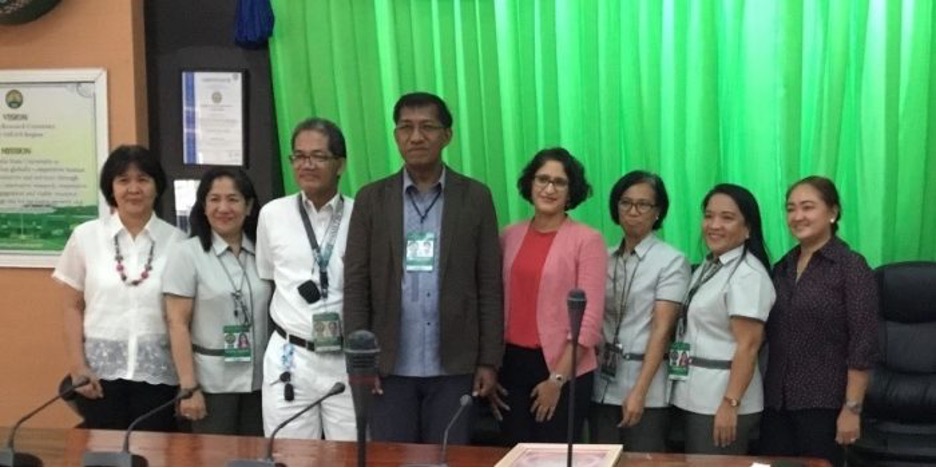
In October, Research Technical Assistance Center (RTAC) team members Dr. Reshma Naik and Dr. Jose Rodriguez hosted a weeklong Research-to-Action workshop at Isabela State University in the northern Philippines. Ms. Flordeliza Bassiag and her team were selected by USAID to receive this specialized technical assistance to promote the use of their research on contact tracing to reduce childhood Tuberculosis (TB). Through presentations on effective stakeholder engagement approaches and interactive exercises, the study team learned to strategize and set “research use” goals.
TB is among the top 10 causes of death worldwide and a leading cause of death from a single infectious agent. The Philippines—ranked fourth in terms of country with highest TB incidence worldwide—is among the top four countries with the greatest gaps in care.1
The team conducted stakeholder interviews with officials at the national and subnational levels to get a better understanding of the end-users of their research. During these interviews, the team discussed the value of the study for national and subnational program planning, potential opportunities for the study team to further share their findings and recommendations, as well as current barriers to TB care.
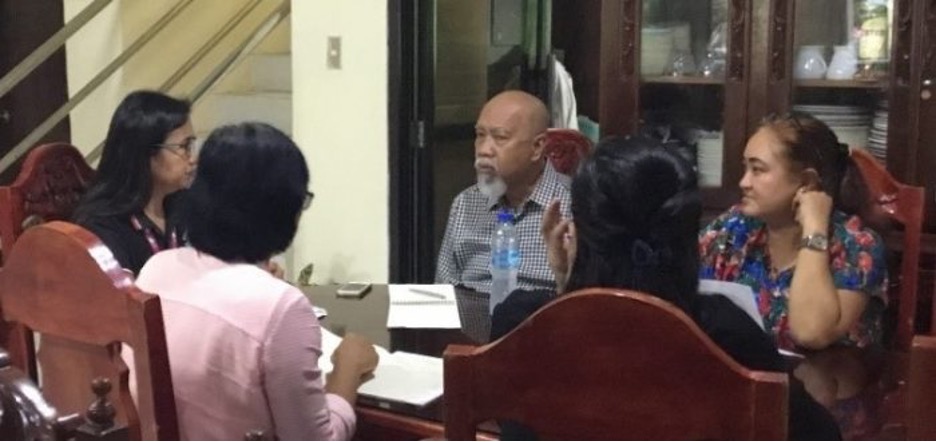
“Many TB patients do not come to the health center because of stigma, Ms. Imelda Turingan, National Tuberculosis Program (NTP) Coordinator in Echague said at the workshop. “They are ashamed [that] people would avoid them for fear of being infected even though they are already under treatment and are no longer contagious.”
To address the gaps in TB care, the study team conducted research in three provinces to better understand the current procedures around treating TB-positive adults and to identify barriers to the diagnosis and treatment of childhood TB. The findings reveal that less than 1 percent of children who were close contacts of adults with TB were taken to a facility for diagnosis and preventative therapy,2 hindering the ability to diagnose, and in turn treat, tuberculosis in children. Furthermore, fear of stigma, lack of knowledge about TB, and shame in asking for help discouraged the diagnosis and treatment of TB.
At the workshop, the Undersecretary of the Department of Health, Dr. Myrna Cabotaje recommended that “the results of the study be presented in a user-friendly language and format, which can be easily understood, even by laymen.”
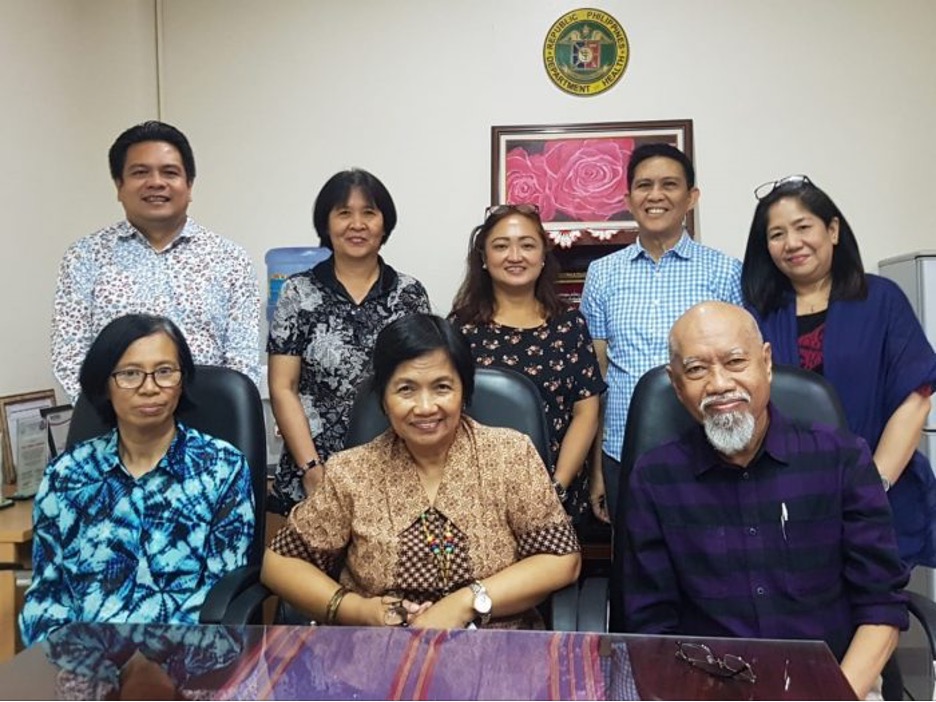
One of the workshop’s key outcomes was to define clear pathways for putting this research into practice. The team identified a number of opportunities for using this evidence to shape policies and programs, such as updating the National TB Control Program’s Manual of Operations, incorporating TB contact tracing into TB control programs at subnational levels, or guiding the development of an amendment to the existing ordinance on TB for Isabela State University.
To help ensure that influential policymakers act on this research, the study team plans to use a targeted approach to disseminate the results and recommendations, hosting meetings with influential decision-makers at the national and subnational level. To reach broader audiences, the team will share the research at global and national conferences and through various digital channels, such as webinars and to online networks.
- World Health Organization, Global tuberculosis report 2019 (Geneva: World Health Organization, 2019), https://www.who.int/tb/publications/global_report/en/.
- Flordeliza Bassiag, et. al., Isabela State University, research forthcoming.
Related Posts
Power and Partnership: Supporting Youth Through the PACE Project
PACE’s approach to listening to and meaningfully supporting youth partners’ goals has developed into an intentional model.

Adolescents and Youth Are Key to Fully Achieving Universal Health Coverage
In 2021, adolescents and youth between ages 10 and 24 are estimated to make up approximately 24% of the world’s population.
The Nation’s Preexisting Condition: How Rising Inequality Exacerbated the Economic Toll of the Coronavirus
In 2019, many economic indicators seemed to be pointing in the right direction. The unemployment rate had fallen to its lowest level since 1969, the poverty rate fell to the lowest level in 60 years, and the Dow Jones Industrial Average reached an all-time high.