
Heidi Worley
Former Program Director
Heidi Worley was a program director in International Programs and also served as the knowledge management and research application team lead for the Breakthrough RESEARCH Project seconded to Population Council. As a public health specialist, Worley has more than 30 years of experience in international development, strategic and policy communication, health policy analysis, issues advocacy, and health programming. She has served in senior communication roles for domestic and global nonprofit organizations and private small businesses, delivering impactful results bringing evidence to action. Previous positions at PRB include editorial director in Communications and Marketing, deputy director for the Policy Advocacy and Communication Enhanced for Population and Reproductive Health (PACE) Project, and senior policy analyst in International Programs. Before PRB, Worley held positions as director of research, evaluation, and advocacy, Maternity Care Coalition-Philadelphia; director of communications and business strategies for a private medical clinic; health and social analyst and communications associate, International Center for Research on Women; project manager, Refugee Policy Group; and program coordinator and trainer, Youth For Understanding. Worley holds a master’s degree in international relations and international communication from American University and completed graduate work toward her doctorate in public health at Temple University. She is also a certified community health education specialist.

Email: media@prb.org
Featured Projects
project
Health Policy Plus (HP+)
PRB is a partner on the Palladium-led, USAID-funded Health Policy Plus (HP+) project that strengthens and advances health policy priorities at global, national, and subnational levels.
project
Breakthrough RESEARCH
Breakthrough RESEARCH accelerates social and behavior change (SBC) by conducting state-of-the-art research and evaluation and promoting evidence-based solutions to improve health and development programs around the world.
project
Evidence to End Female Genital Mutilation/Cutting
PRB was a partner on Evidence to End FGM/C: Research to Help Girls and Women Thrive, a UKAID-funded research program to end female genital mutilation/cutting (FGM/C) within one generation.
Featured Resources
- Video
resource
Building Resilience Through Family Planning and Adaptation Finance
This resource package contains a new how-to video for informing family planning and reproductive health program implementers and advocates on strategies for positioning their programs to access climate adaptation funding.

- Article
resource
Leçons apprises des mesures prises en Côte d’Ivoire pour améliorer l’accès à l’avortement
Une évaluation met en lumière l’engagement des parties prenantes en faveur d’une vision commune pour le changement politique.

- Article
resource
SAFE ENGAGE Drives Dialogue Around Safe Abortion Policy in Lagos State
Contribution tracing demonstrates PRB’s role in policy dialogue.

- Article
resource
Learning Lessons Through Efforts to Improve Abortion Access in Côte d’Ivoire
Evaluation highlights stakeholder commitment to a common vision in quest for policy change.

- Article
resource
Zika Crisis Highlights Importance of Family Planning
This article looks at countries that experienced significant Zika virus transmission and how they rate in terms of unmet need for family planning satisfied by modern contraceptive methods.
- Past Presentation
resource
Sustainable Development Indicators: The Last Missing Piece of the 2030 Agenda
The 2015 adoption of the Sustainable Development Goals (SDGs) was a major milestone for United Nations (UN) Member States seeking to jumpstart efforts to improve people’s lives and maintain a healthy planet.
- Report
resource
Rwanda's Success In Improving Maternal Health
(2015) Rwanda today has been hailed as one of the few countries on a fast track to reducing child and maternal mortality--thus meeting two of the United Nations Millennium Development Goals in 2015.
- Interactive
resource
Suicide #1 Cause of Death Globally Among Older Adolescent Girls
(2014) More than 1 million adolescents die around the world every year. Some trends have remained steady since 2000: Boys have higher rates of death during adolescence (ages 10 to 19) than girls because they have a high number of road traffic accidents, and older adolescents (ages 15 to 19) have higher rates than younger ages.
- Training Tool
resource
PRB's Women's Edition Reporters Help Bring Criminals to Justice
(2014) News reporting in the past year by PRB's Women's Edition participants has been instrumental in exposing violence against women to authorities in Kenya and Pakistan and forging a path to justice for women who were raped.
- Report
resource
Water, Sanitation, Hygiene, and Malnutrition in India
Globally, an estimated one in four children under age 5 suffer from stunting, a form of malnutrition in which children are shorter than normal for their age.
- Interactive
resource
Mobile Device Helps Nurses Identify Domestic Violence in Bangalore, India
A new program is training nurses in Indian hospitals to use a mobile device to identify women at risk of violence and promote disclosure. The program, Mobilise!
- Past Presentation
resource
New Kenyan Population Policy a Model for Other Countries
(2014) In 2012, the government of Kenya passed a landmark policy to manage its rapid population growth. The new population policy aims to reduce the number of children a woman has over her lifetime from 5 in 2009 to 3 by 2030.
- Training Tool
resource
PRB's Journalist Training Continues to Shape Stories
PRB’s Women’s Edition program, funded by USAID, brings together senior-level editors, reporters, and producers from influential media organizations in developing countries to examine and report on women’s health and development.
- Training Tool
resource
Girl Scouts Release First Report on the Well-Being of U.S. Girls
A new report about the well-being of girls in America, The State of Girls: Unfinished Business, was recently published by the Girl Scouts Research Institute (GSRI) in collaboration with the Population Reference Bureau (PRB).
- Training Tool
resource
The Emergence and Effectiveness of Global Health Networks
Jeremy Shiffman is a Visiting Scholar at PRB, and professor of public administration and policy at American University in Washington, D.C.
- Training Tool
resource
Communicating the Mozambique Demographic and Health Survey Findings
Twenty years after its civil war ended in 1992, Mozambique has made significant progress. Economic growth has remained steady for over a decade.
- Past Presentation
resource
The Growing Global Chronic Disease Epidemic
Diabetes, cardiovascular disease, and cancer are among a group of chronic diseases that accounts for most deaths in all regions of the world except South Asia and sub-Saharan Africa.
- Training Tool
resource
Depression a Leading Contributor to Global Burden of Disease
(2006) Although mental health is a sensitive topic the world over, the prevalence of mental illness and its consequences can no longer be overlooked.
- Report
resource
Road Traffic Accidents Increase Dramatically Worldwide
(2006) Road traffic accidents—the leading cause of death by injury and the tenth-leading cause of all deaths globally—now make up a surprisingly significant portion of the worldwide burden of ill-health.
Featured News & Insights
- Insights
post
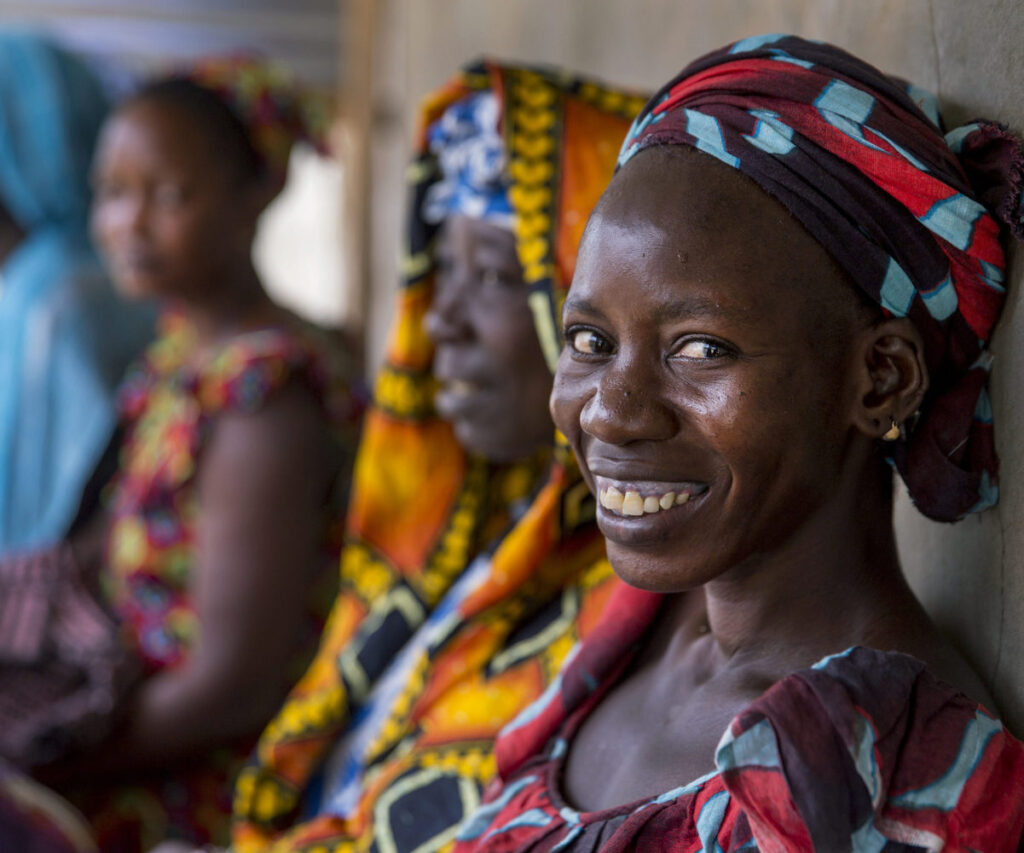
Why Self-Care Matters in Crisis: Insights from Our Interviews With Organizations in Africa
Self-care advocates have more work to do to clarify the utility of self-care and the importance of self-care approaches in conflict settings.
- News
post
Comment l'autosoin peut soutenir la résilience en Afrique de l’Ouest et du Centre
Les approches d’autosoin peuvent offrir aux femmes un meilleur contrôle de leur vie.

- News
post
How Self-Care Can Support Resilience in West and Central Africa
Self-care approaches can offer women more control over their lives.

- Insights
post
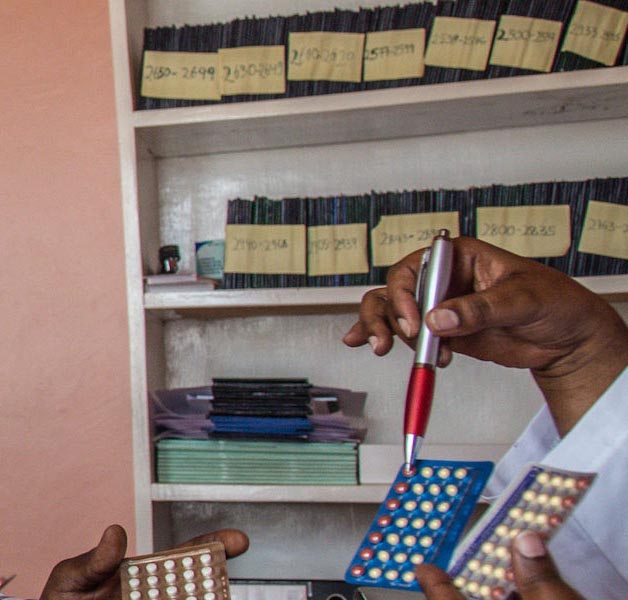
Data Are Essential: Commentary on the Not Without FP Forum
PRB’s commitment to data-driven policies that support effective family planning and reproductive health programs and services has been our ballast for nearly a half-century.
- Insights
post
Check-in on World Toilet Day: Adding Toilets in India
Shortly after he was elected in 2014, Indian Prime Minister Narendra Modi pledged to provide access to a toilet at every school and home in the country by 2019, the 150th anniversary of Mahatma Ghandi's birth.
- Event Updates
post
Inaugural American Community Survey Data Users Conference a Success
From May 29-30, PRB and its partner, Sabre Systems, in conjunction with the U.S.
- Insights
post
UN: 'Decade of Action for Road Safety'
Road traffic accidents are the leading cause of death for young people ages 15 to 29 globally and the eighth-leading cause of deaths overall.
- Insights
post
PRB and Casey Foundation Create Index of U.S. Child Well-Being
(2014) The index disaggregates data by racial and ethnic group and by state in order to measure the "impact of a child’s race on his or her opportunity for success in adulthood," according to the foundation.
- Insights
post
Voucher Programs Encourage Quality Reproductive Health Services
Many women in developing countries, too poor to pay for the reproductive health services they need, use vouchers to defray the cost of care.
- News
post
Chronic Diseases Beleaguer Developing Countries
Developing countries are undergoing a rapid epidemiological transition—from infectious diseases such as diarrhea and pneumonia to chronic ones such as heart disease—that threatens to overwhelm their strapped health systems and cripple their fragile economies.