
Municipality-Level Estimates of Adolescent Fertility in Nepal
Municipality-level estimates of adolescent fertility in Nepal allow decisionmakers to more strategically invest family planning resources to address high adolescent fertility.
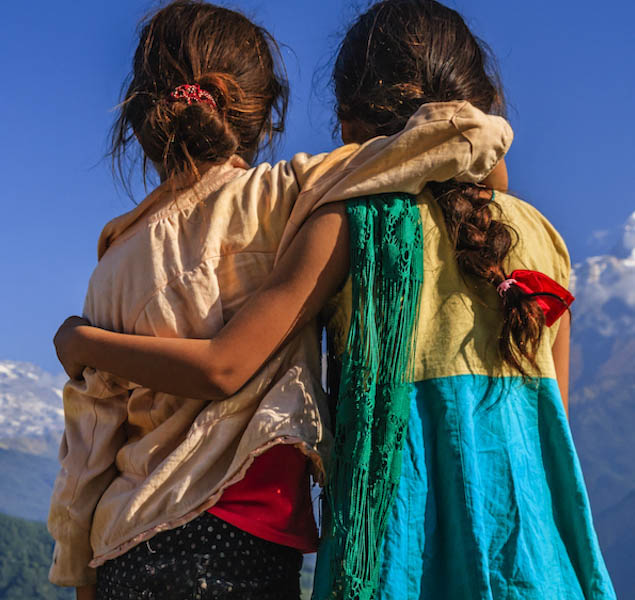
To support targeted local planning in the context of Nepal’s recently devolved governance, the PACE Project has released modeled estimates of adolescent fertility for the 753 municipalities in Nepal. A suite of products—including a set of national and provincial maps, fact sheets, and an online interactive feature—highlights the key results that show where adolescent fertility is high and stagnant or increasing, allows users to explore the data, provides guidance on interpreting the information, and recommends policy and programmatic actions to reduce adolescent fertility. A reference guide provides a roadmap for decisionmakers to understand and use the analysis to make informed decisions and take action to reduce adolescent fertility.
Adolescent Fertility Reference Guide
Adolescent Fertility Reference Guide, Nepali
Online Interactive Map
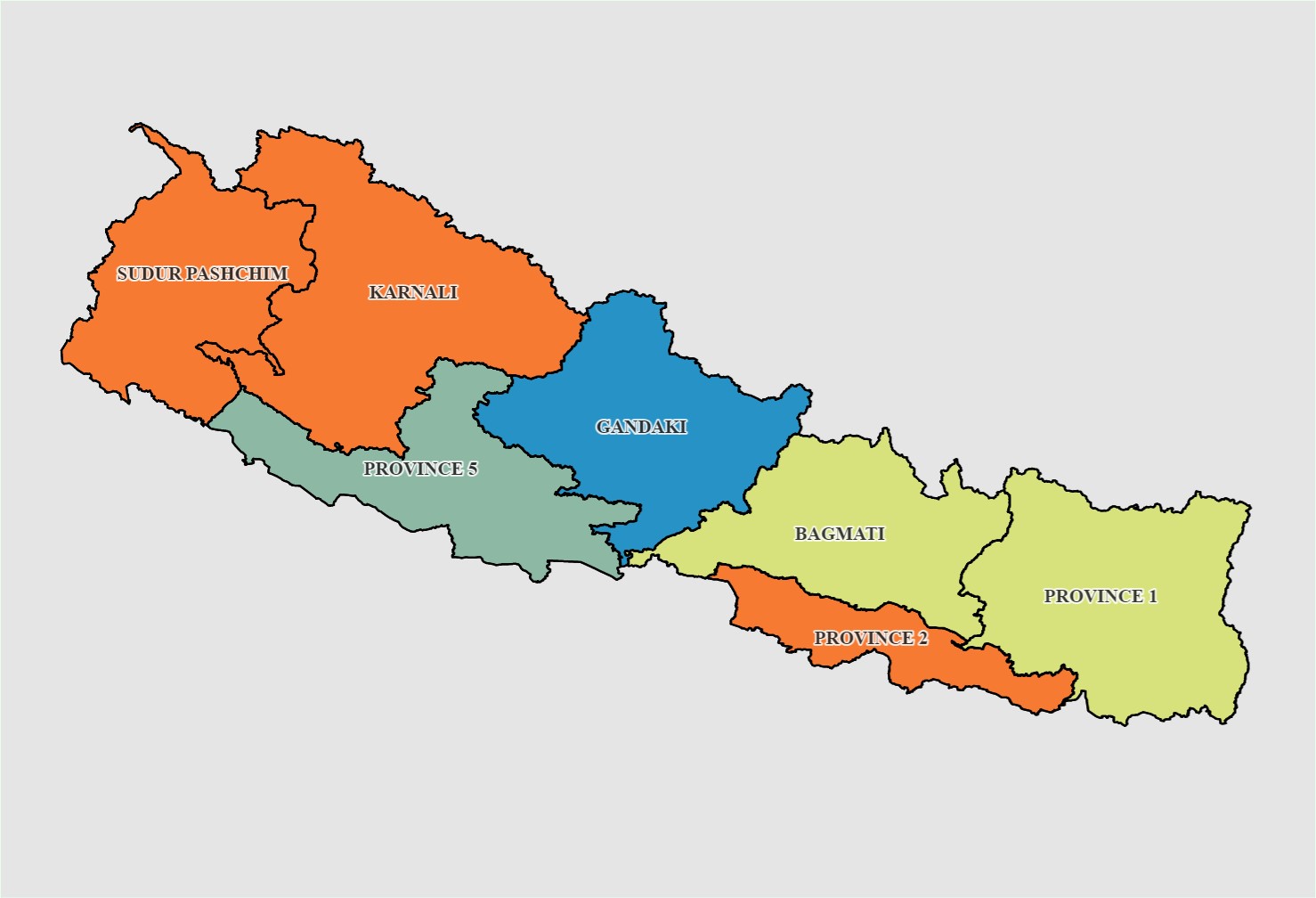
By targeting municipalities where adolescent fertility is high and stagnant or increasing, and where there is a high absolute number of births to adolescent girls, the Government of Nepal can reach the municipalities. Targeted interventions could include:
- Investing in programs to create and reinforce positive social norms and encourage healthy behavior among adolescents, and facilitative attitudes among parents, teachers, and others.
- Supporting programs to help newly married adolescent girls stay in school through secondary level, even if they are married or have children.
- Encouraging newly married couples to delay their first pregnancy by using family planning after marriage.
- Encouraging adolescent mothers to space their next pregnancy through correct and consistent use of voluntary family planning.
- Providing adolescent-friendly, confidential family planning services to all adolescent girls who want contraception, regardless of marital status.
- Reducing rates of child marriage and increasing the average age at marriage by enforcing laws on minimum age at marriage.
National Maps, English
- Adolescent Fertility Change Over Time
- Adolescent Fertility Data Insights – Married Adolescents
- Adolescent Fertility Data Insights
- Adolescent Fertility Deep Dive
- Adolescent Fertility Priority Municipalities
National Maps, Nepali
- Adolescent Fertility Change Over Time
- Adolescent Fertility Data Insights – Married Adolescents
- Adolescent Fertility Data Insights
- Adolescent Fertility Deep Dive
- Adolescent Fertility Priority Municipalities
English Provincial Fact Sheets
- Province 1
- Province 2-Madhesh
- Province 3-Bagmati
- Province 4-Gandaki
- Province 5-Lumbini
- Province 6-Karnali
- Province 7-Sudar Paschim
Nepali Provincial Fact Sheets
- Province 1
- Province 2-Madhesh
- Province 3-Bagmati
- Province 4-Gandaki
- Province 5-Lumbini
- Province 6-Karnali
- Province 7-Sudar Paschim
Province 1 English Maps
- Adolescent Fertility Priority Municipalities Map
- Data Table
- Adolescent Fertility Data Insights
- Adolescent Fertility Change Over Time
- Adolescent Fertility Deep Dive
Province 2-Madhesh English Maps
- Adolescent Fertility Priority Municipalities Map
- Data Table
- Adolescent Fertility Data Insights
- Adolescent Fertility Change Over Time
- Adolescent Fertility Deep Dive
Province 3-Bagmati English Maps
- Adolescent Fertility Priority Municipalities Map
- Data Table
- Adolescent Fertility Data Insights
- Adolescent Fertility Change Over Time
- Adolescent Fertility Deep Dive
Province 4-Gandaki English Maps
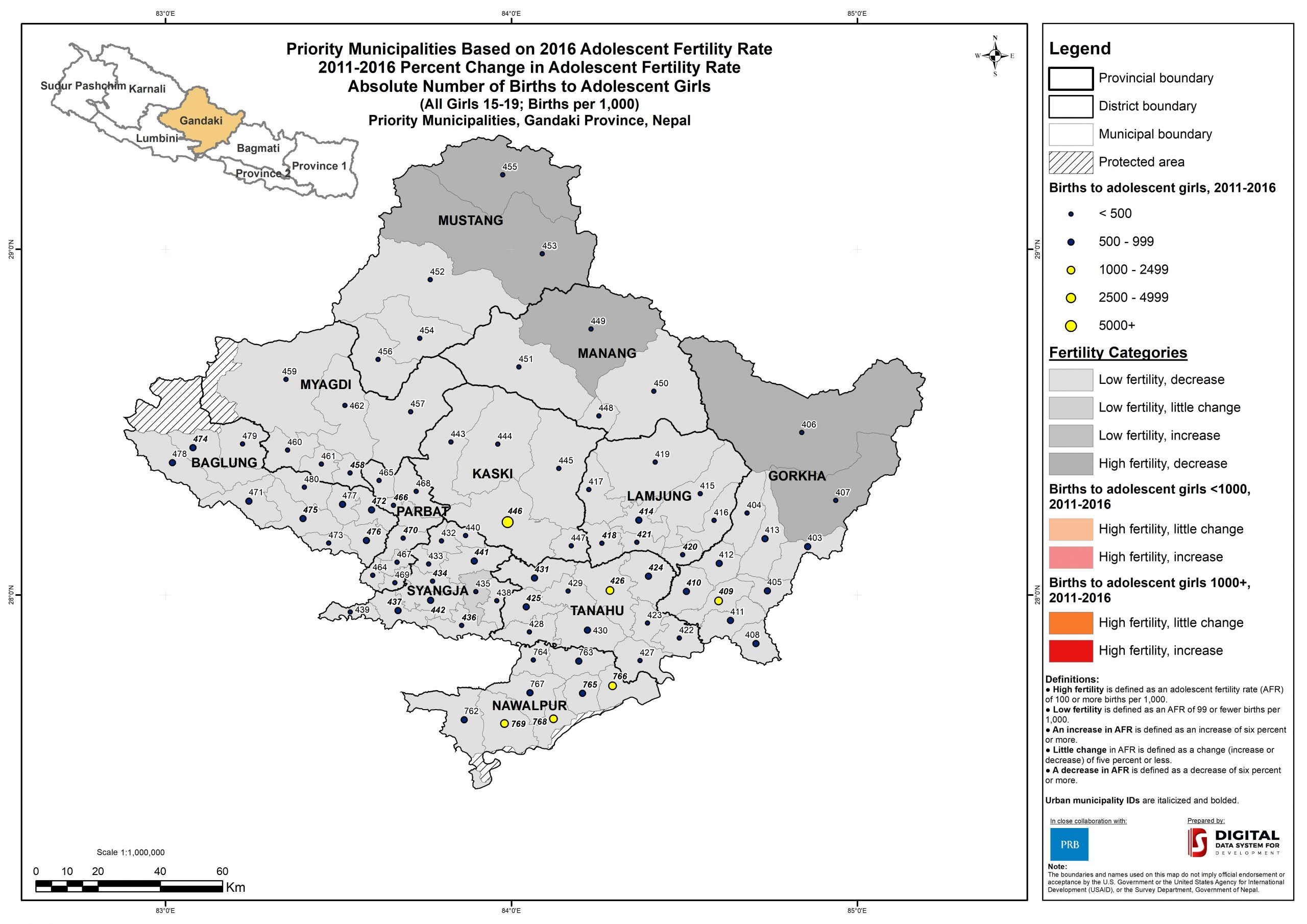
- Adolescent Fertility Priority Municipalities Map
- Data Table
- Adolescent Fertility Data Insights
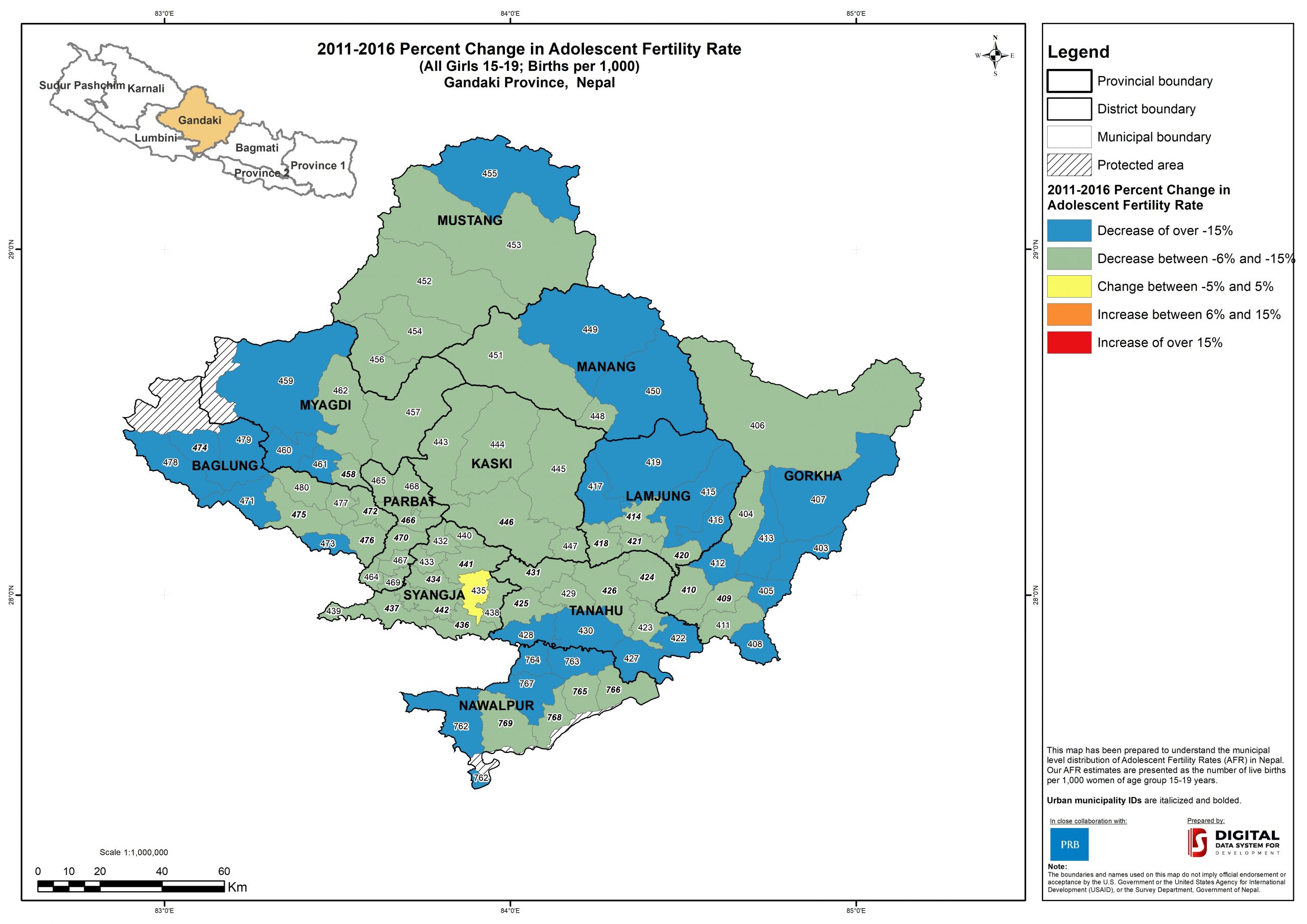
- Adolescent Fertility Change Over Time
- Adolescent Fertility Deep Dive
Province 5-Lumbini English Maps
- Adolescent Fertility Priority Municipalities Map
- Data Table
- Adolescent Fertility Data Insights
- Adolescent Fertility Change Over Time
- Adolescent Fertility Deep Dive
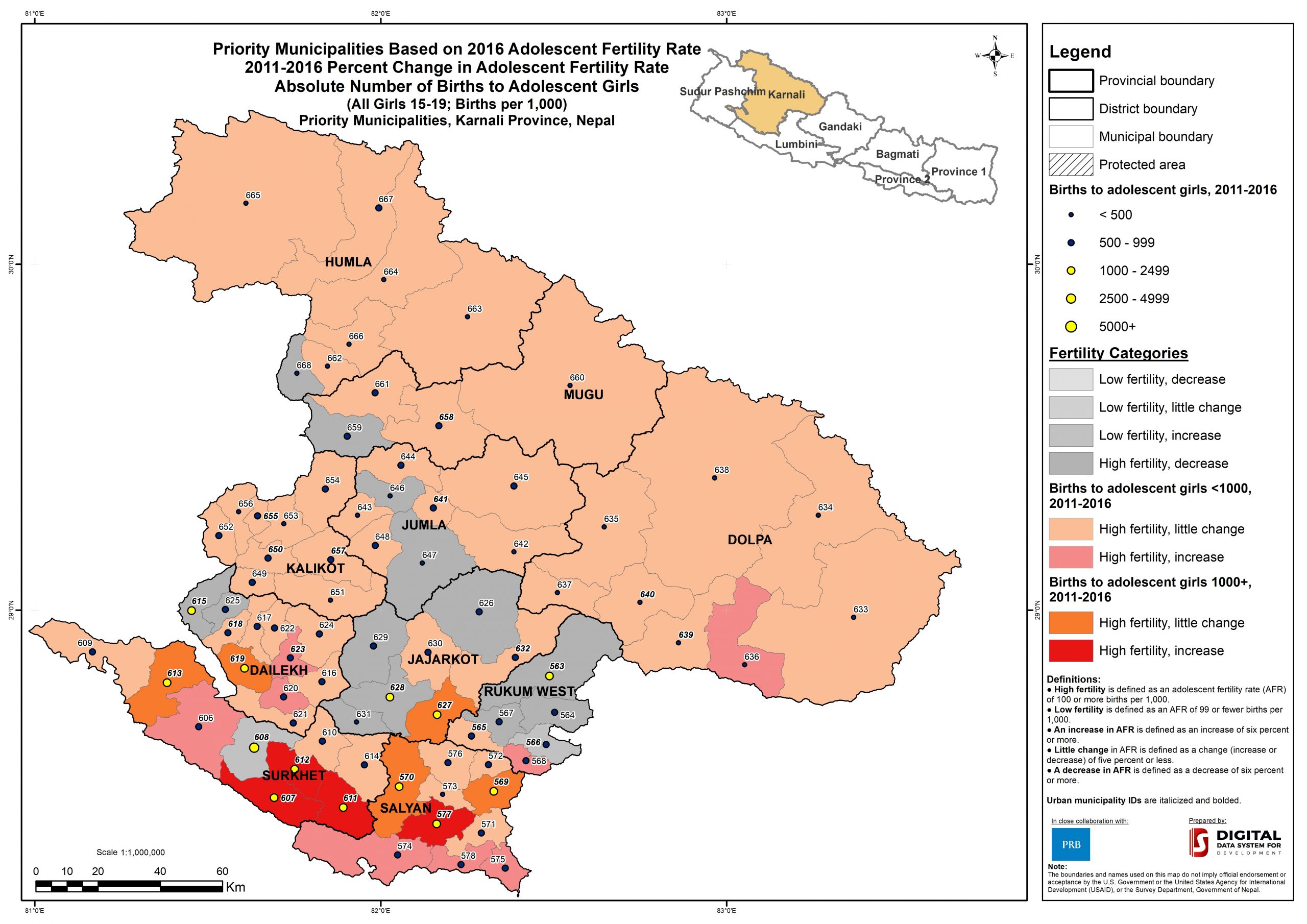
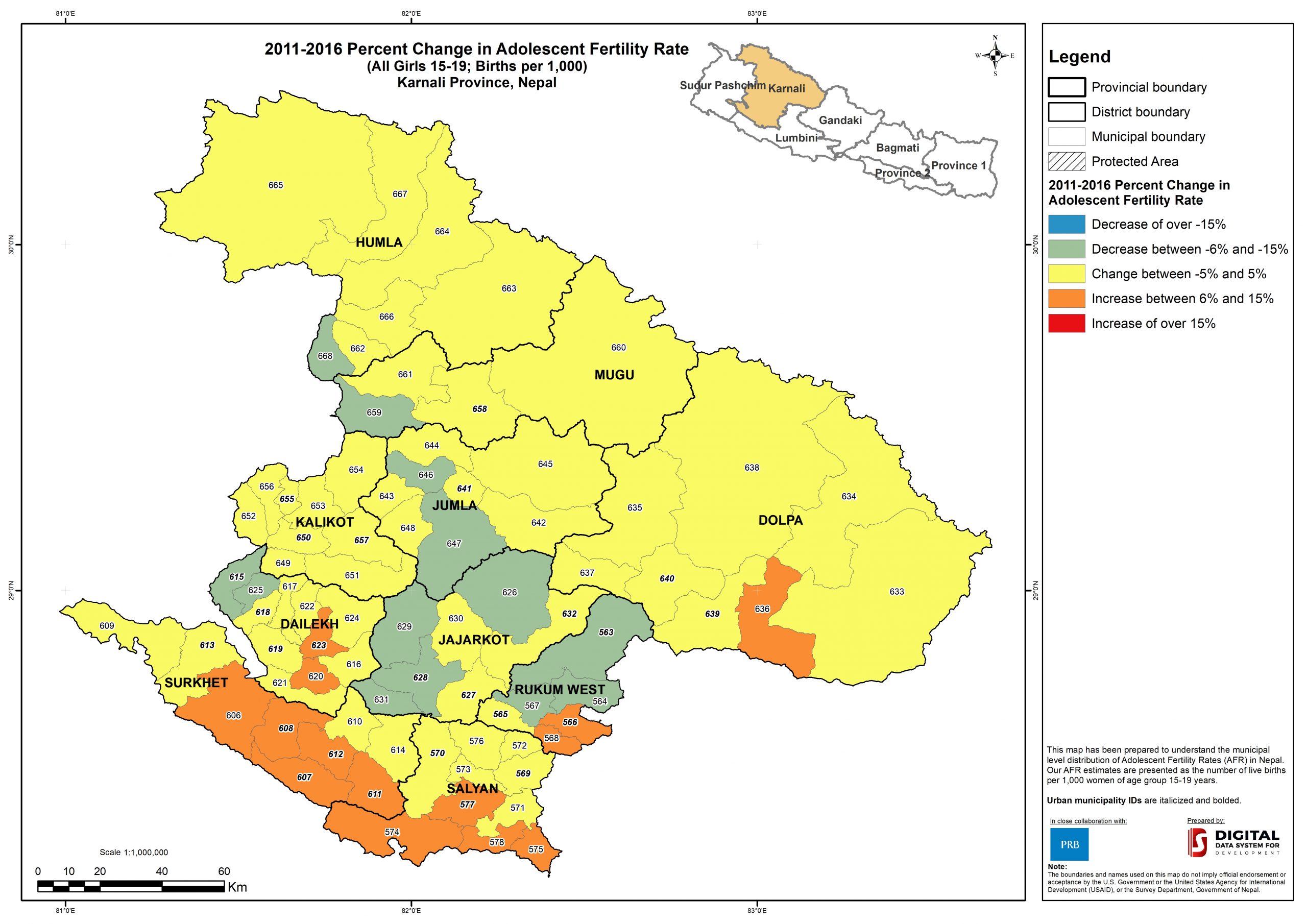
Province 6-Karnali English Maps
- Adolescent Fertility Priority Municipalities Map
- Data Table
- Adolescent Fertility Data Insights
- Adolescent Fertility Change Over Time
- Adolescent Fertility Deep Dive
Province 7-Sudur Paschim English Maps
- Adolescent Fertility Priority Municipalities Map
- Data Table
- Adolescent Fertility Data Insights
- Adolescent Fertility Change Over Time
- Adolescent Fertility Deep Dive
Province 1 Nepali Maps
- Adolescent Fertility Priority Municipalities Map
- Data Table
- Adolescent Fertility Data Insights
- Adolescent Fertility Change Over Time
- Adolescent Fertility Deep Dive
Province 2-Madhesh Nepali Maps
- Adolescent Fertility Priority Municipalities Map
- Data Table
- Adolescent Fertility Data Insights
- Adolescent Fertility Change Over Time
- Adolescent Fertility Deep Dive
Province 3-Bagmati Nepali Maps
- Adolescent Fertility Priority Municipalities Map
- Data Table
- Adolescent Fertility Data Insights
- Adolescent Fertility Change Over Time
- Adolescent Fertility Deep Dive
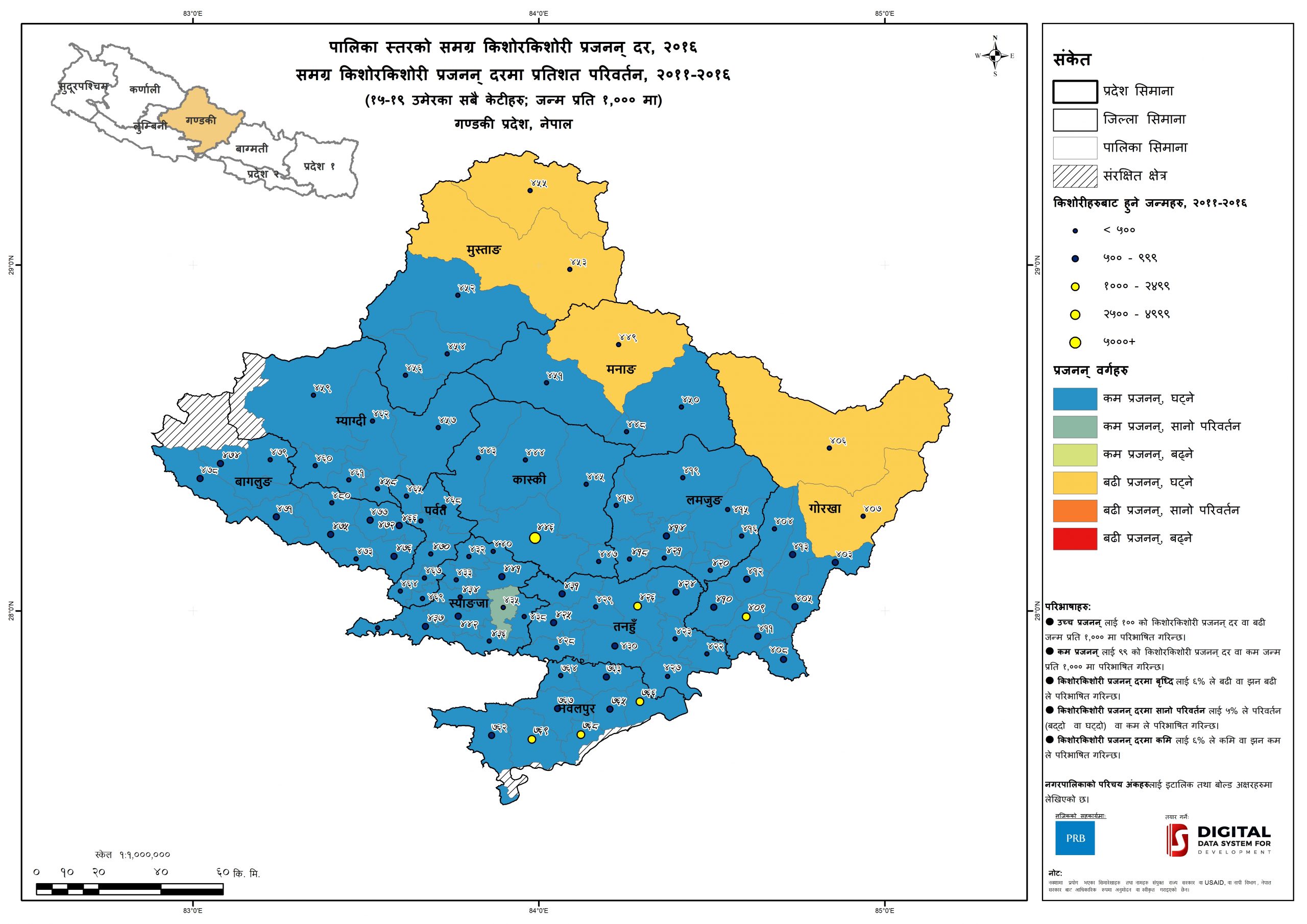
Province 4-Gandaki Nepali Maps
- Adolescent Fertility Priority Municipalities Map
- Data Table
- Adolescent Fertility Data Insights
- Adolescent Fertility Change Over Time
- Adolescent Fertility Deep Dive
Province 5-Lumbini Nepali Maps
- Adolescent Fertility Priority Municipalities Map
- Data Table
- Adolescent Fertility Data Insights
- Adolescent Fertility Change Over Time
- Adolescent Fertility Deep Dive
Province 6-Karnali Nepali Maps
- Adolescent Fertility Priority Municipalities Map
- Data Table
- Adolescent Fertility Data Insights
- Adolescent Fertility Change Over Time
- Adolescent Fertility Deep Dive
Province 7-Sudur Paschim Nepali Maps
- Adolescent Fertility Priority Municipalities Map
- Data Table
- Adolescent Fertility Data Insights
- Adolescent Fertility Change Over Time
- Adolescent Fertility Deep Dive
Note: Note: The analysis presented was conducted using the 2011 Nepal Population and Housing Census and the 2011 and 2016 Nepal Demographic and Health Surveys. Data from Byas Rural Municipality does not include the Limpiyadhura, Lipulekh, and Kalapani areas. The boundaries and names used on the maps published in this set of materials do not imply official endorsement or acceptance by the U.S. Government or the United States Agency for International Development (USAID), or the Survey Department, Government of Nepal.
Related Posts
American Community Survey Resources, Shortcuts, and Tools Workshop
Expert data users from PRB, the U.S.

Research Identifies New Strategies to Reduce Undercount of Young Children in U.S. 2020 Census
PRB identifies factors predicting where children under age 5 are more likely to be missed in the 2020 Census and develops a new undercount risk measure for young children.

Health Sector Reform: How It Affects Reproductive Health
(June 2003) Many less developed countries are reforming their health systems in an effort to achieve public health goals more affordably and effectively.
Report. Health Sector Reform: How It Affects Reproductive Health
This report also in French and Spanish. (June 2003) Many less developed countries are reforming their health systems in an effort to achieve public health goals more affordably and effectively.