We, the (Fewer) People!
The consequences of demographic change as a “megatrend” of our time are not a far destiny anymore but more and more felt in our direct living environment: within families, neighborhoods, municipalities, and regions.

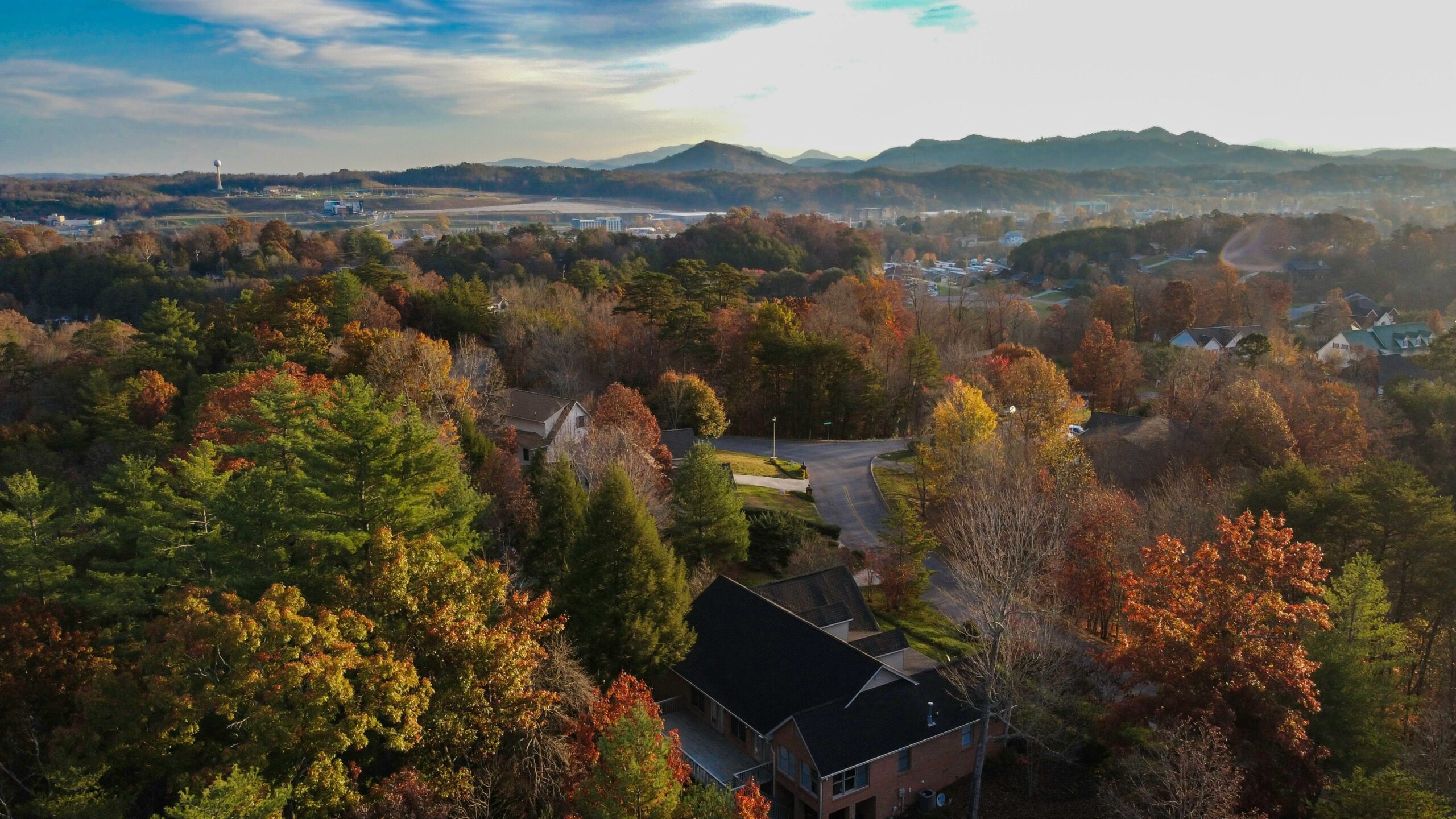
The consequences of demographic change as a “megatrend” of our time are not a far destiny anymore but more and more felt in our direct living environment: within families, neighborhoods, municipalities, and regions.
In early 2011, Pietronella van den Oever, PRB visiting scholar,visited the Malian staff and villagers she worked with in a UN Food and Agriculture Organization (FAO) rural training project in the mid-1970s. As part of PRB's 2011-2012 Policy Seminar series, she discussed her recent research on the project's results, which continue to be economically and socially important 40 years later.
(2010) U.S.-born Latinos and foreign-born Latinos face widely different social and economic experiences in the United States.
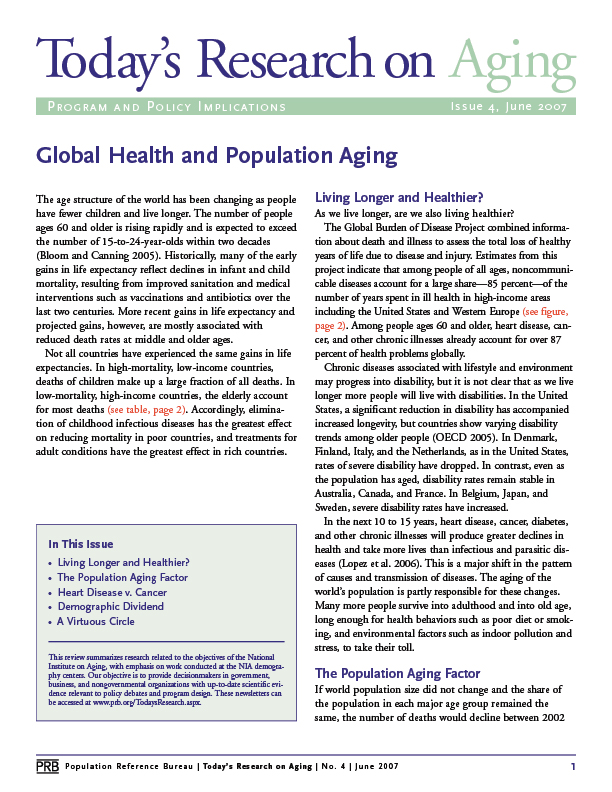
Project: Demography and Economics of Aging and Alzheimer’s Disease
The age structure of the world has been changing as people have fewer children and live longer.

PRB is assessing the favorability of the policy environment for contraceptive access nationally and within each U.S. state so that state policies and programming can be easily interpreted and compared.
(2009) Malaria threatens close to one-half of the world's population, and more than 1 million children die each year of malaria-related complications.
Project: PACE: Policy, Advocacy, and Communication Enhanced for Population and Reproductive Health
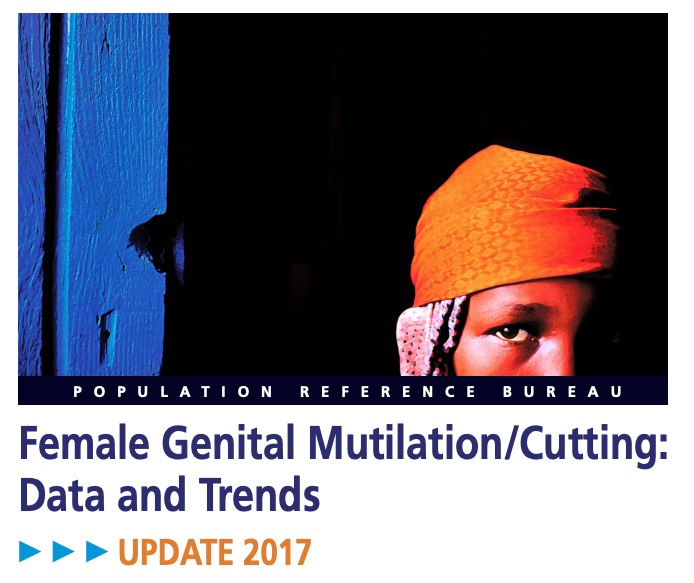
Female Genital Mutilation/Cutting: Data and Trends Update 2017, produced with support from the U.S. Agency for International Development, provides the latest data on the practice in 29 developing countries with representative and comparable data—although FGM/C occurs worldwide.
Project: Combatting Noncommunicable Disease Risk Factors in Youth
(2013) The four major NCDs—cardiovascular disease, most cancers, diabetes, and chronic respiratory diseases—will account for approximately 81 percent of deaths in Latin America and the Caribbean by 2030, and 89 percent of all deaths in high-income countries.
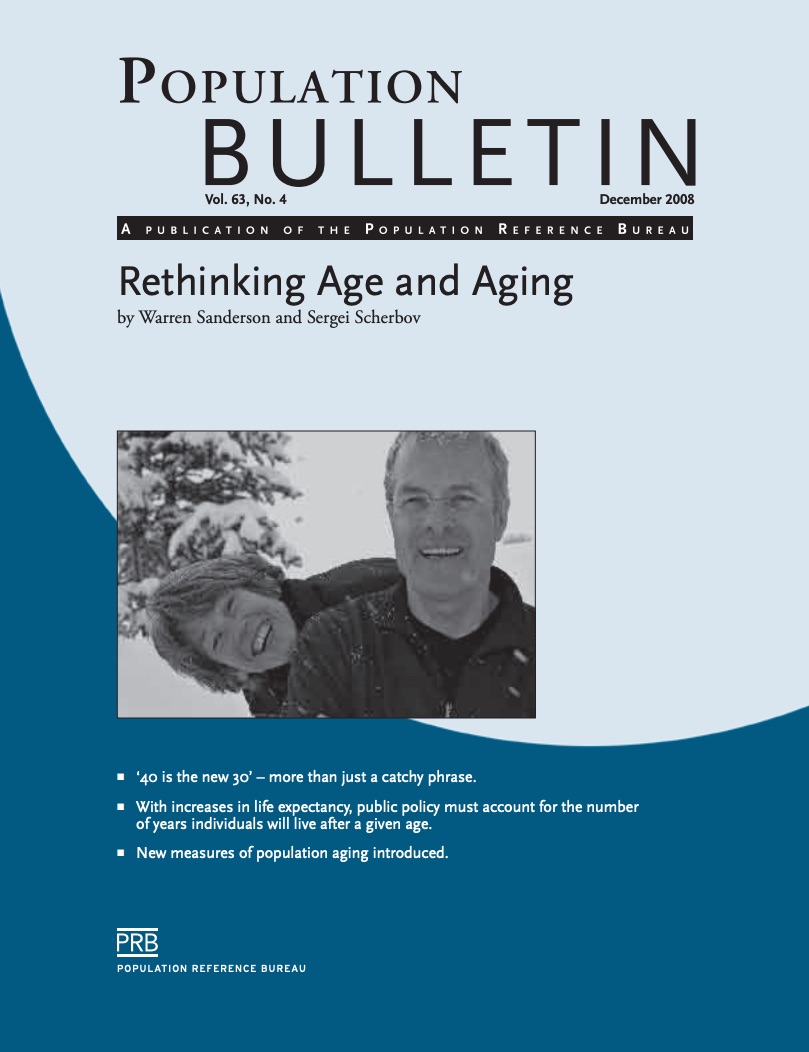
(December 2008) According to the United Nations (UN), "Population ageing is unprecedented, without parallel in human history and the twenty-first century will witness even more rapid ageing than did the century just past."