Project: Research Technical Assistance Center (RTAC)
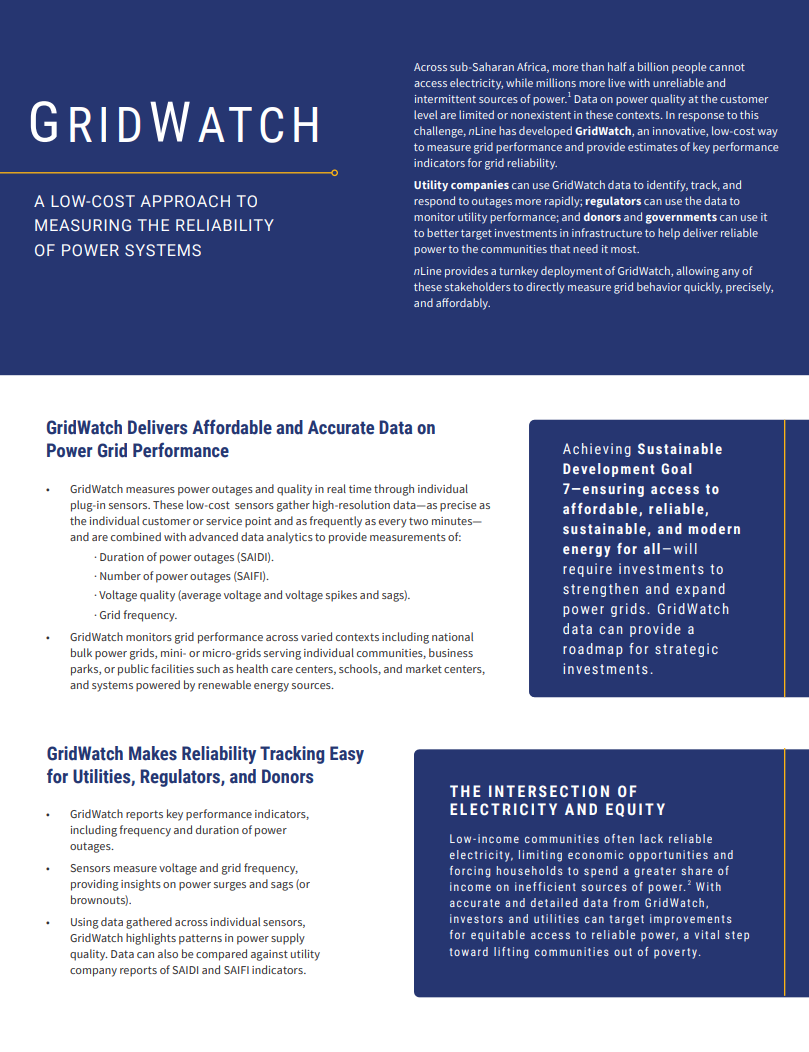
GridWatch: A Low-Cost Approach to Measuring the Reliability of Power Systems
This fact sheet shares how companies can use GridWatch data to identify, track, and respond to outages more rapidly.

Project: Research Technical Assistance Center (RTAC)
This fact sheet shares how companies can use GridWatch data to identify, track, and respond to outages more rapidly.

Project: PACE: Policy, Advocacy, and Communication Enhanced for Population and Reproductive Health
Engaging men in sexual and reproductive health, particularly family planning, can improve health outcomes for men, women, and children.

Evidence to date suggests that deaths among people who have tested positive for the coronavirus are highest at older ages and near zero for young children.
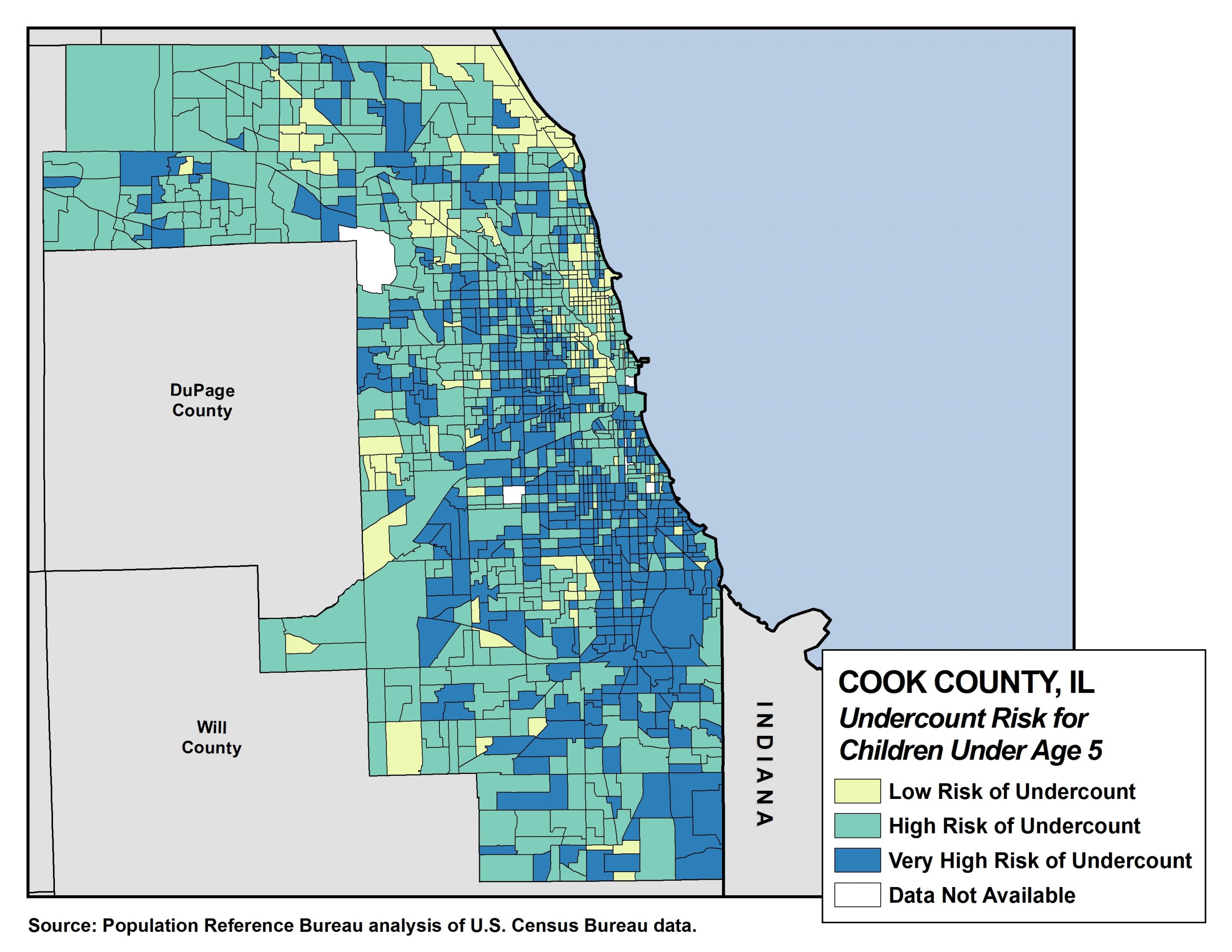
Our analysis focuses on the factors that are most closely associated with the net undercount of children in the census, based on the Census Bureau’s Revised 2018 Experimental Demographic Analysis Estimates.

Two years after the Dobbs decision, researchers are using innovative methods to answer questions about women’s reproductive health.
Project: Demography and Economics of Aging and Alzheimer’s Disease
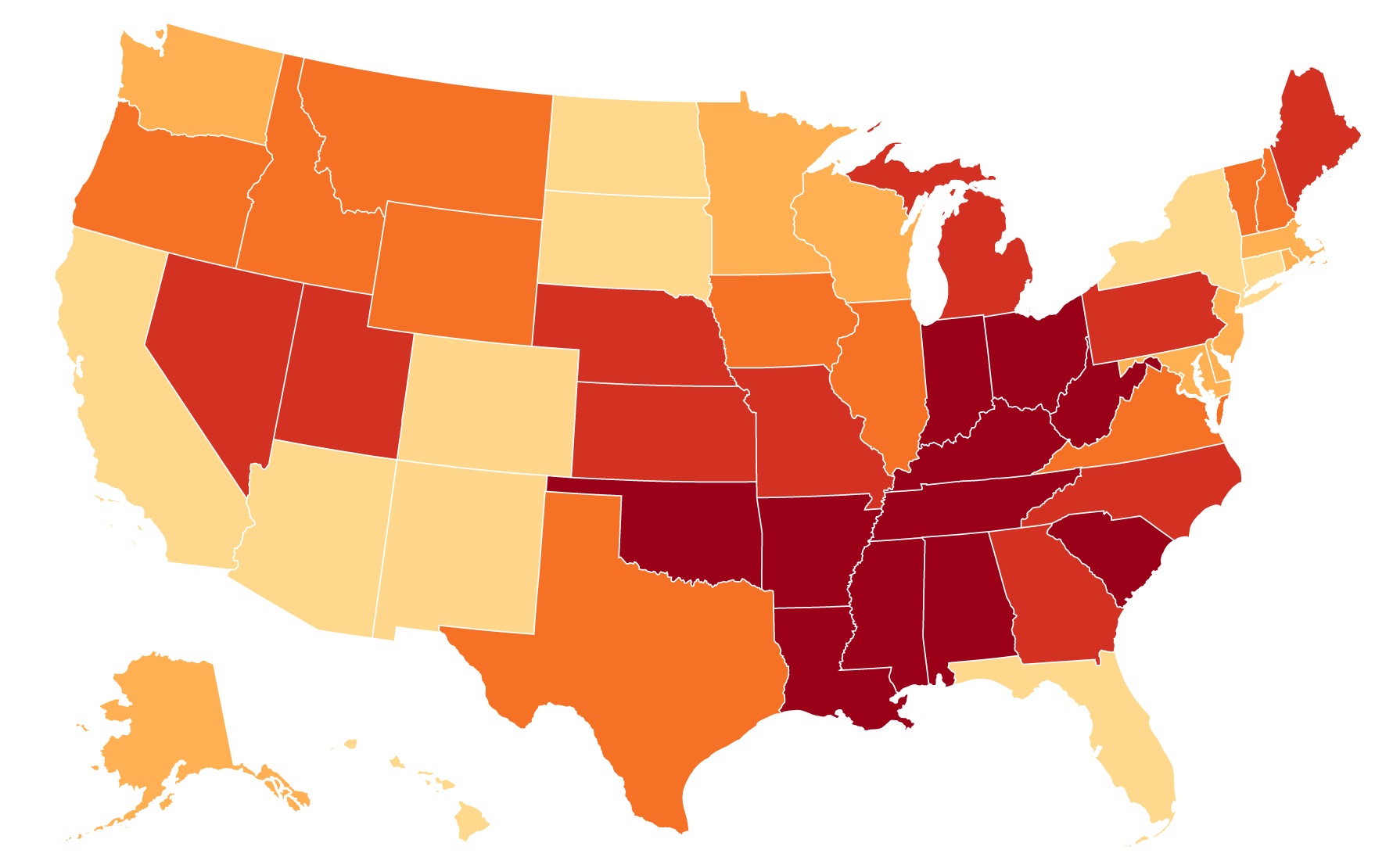
Americans are now living longer but declines in adult death rates have not been evenly distributed across states. Between 1980 and 2015, states with the highest death rates among adults ages 55 and older became increasingly concentrated in the South.

What information does a census collect? The answer depends on when and where in time the census was taken.
Project: PACE: Policy, Advocacy, and Communication Enhanced for Population and Reproductive Health
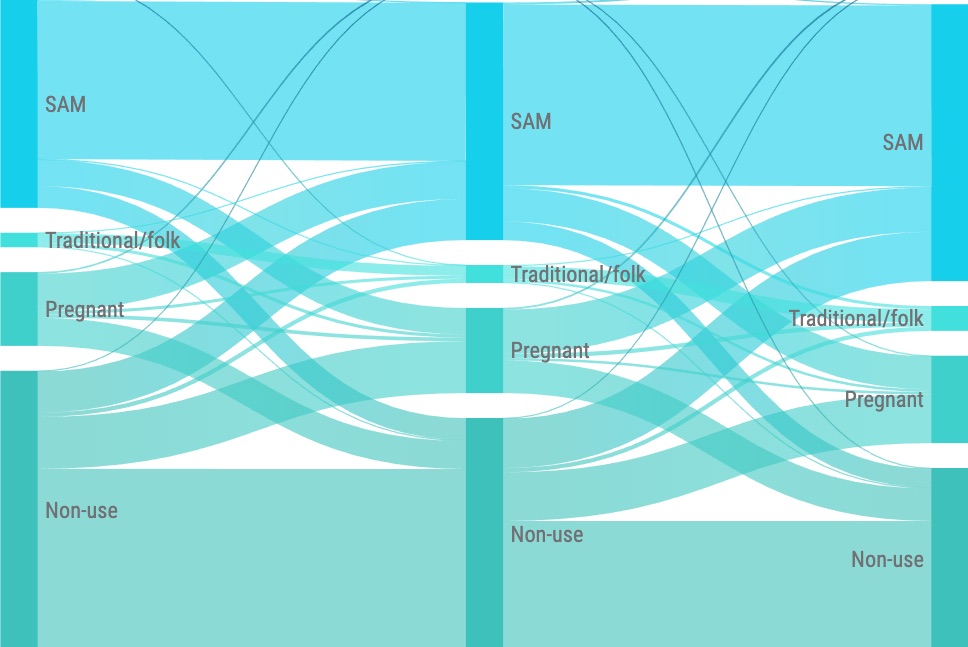
Women’s decisions about family planning are complex and change over time. Understanding these shifts can help us meet women’s needs and support their goals.