Distilled Demographics: Deciphering Population Pyramids
In this first of a video series, "Deciphering Population Pyramids," PRB senior demographer Carl Haub shows how population pyramids give us a snapshot of a country's demographic profile.
(2010) With almost half of the world's population under age 25, investments in young people are vital to improve economic and social outcomes and achieve the Millennium Development Goals (MDGs).
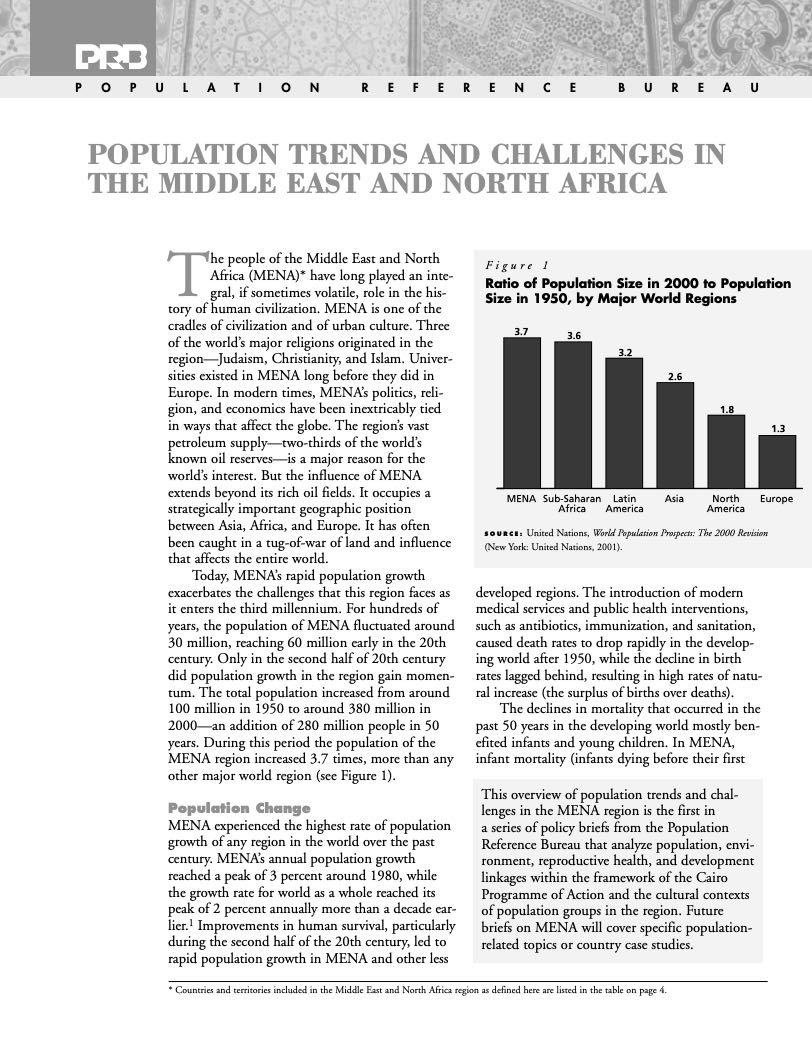
(2001) The people of the Middle East and North Africa (MENA) have long played an integral, if sometimes volatile, role in the history of human civilization. MENA is one of the cradles of civilization and of urban culture. Three of the world's major religions originated in the region — Judaism, Christianity, and Islam. Universities existed in MENA long before they did in Europe.
HIV/AIDS emerged in the late 20th century. Believed to have originated in Africa, the disease has spread worldwide. Occurrence of HIV/AIDS and primary means of diffusion vary among regions. Because of the social and economic impacts of this disease, students should have a good understanding of the patterns and processes that define the spread of the disease.
(2010) Tanzania is one of the world's poorest countries, with a 2008 annual per capita income of just $1,263, and nearly 90 percent of the population living on less than $1.25 per day.1 Maternal, infant, and childhood mortality—important indicators of overall socioeconomic conditions—are high, even for East Africa.
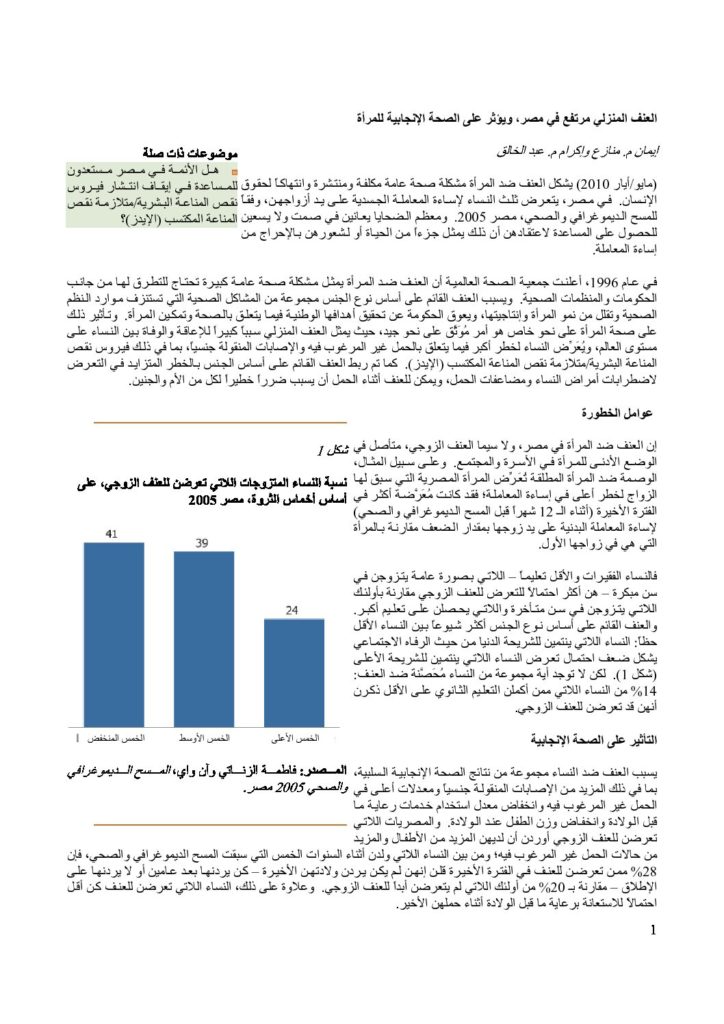
(2010) Violence against women is a costly and pervasive public health problem and a violation of human rights. In Egypt, a third of women are physically abused by their husbands, according to the 2005 Egypt Demographic and Health Survey (DHS).
(2013) Despite a free primary education policy introduced by the Kenyan government in 2003, a substantial number of children who should benefit from it are still out of school, even though gains have been made between 1998 and 2009.
(2010) During the current U.S. recession, homeownership and mobility rates have dropped; poverty has increased; and commuting patterns have shifted toward greener, more cost-effective options.
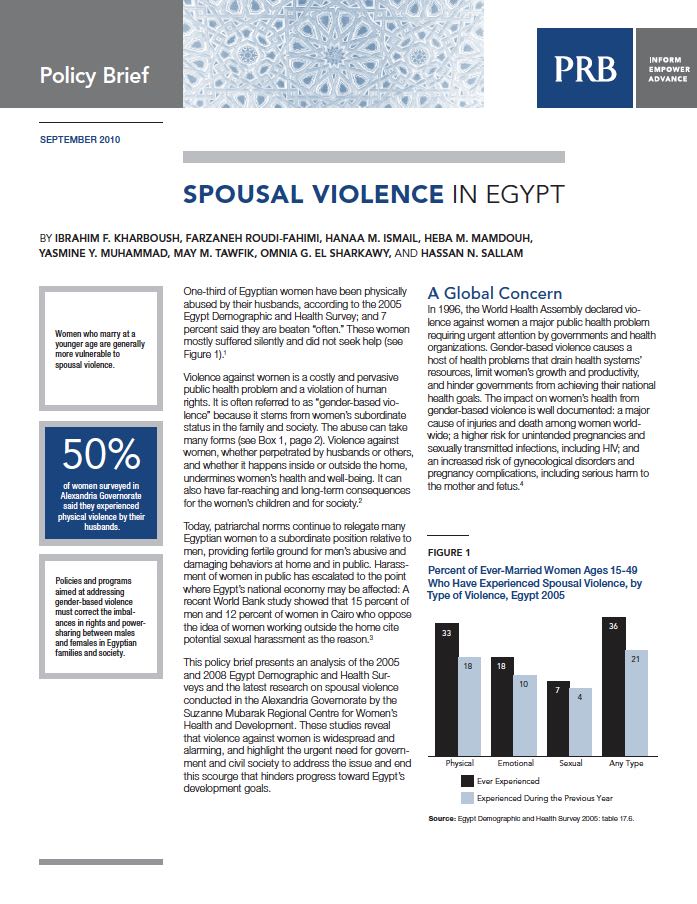
(2010) One-third of Egyptian women have been physically abused by their husbands, according to the 2005 Egypt Demographic and Health Survey; and 7 percent said they are beaten "often." These women mostly suffered silently and did not seek help.
Project: Indicators of Well-Being for California's Children
Medicaid provides health insurance coverage to more people than any other single program in the United States, with coverage for low-income children, adults, seniors, and those with disabilities.