563 Search Results Found For : "www.nubobeauty.com"


LGBTQ Youth and Young Adults Are Coming Out Into a Polarized Environment—and Finding Valuable School and Community Support

Naming the vulnerability and discrimination LGBTQ youth face can be a starting point for adults and institutions that support youth—and youth themselves—to act for change.

View Details

Project: KIDS COUNT

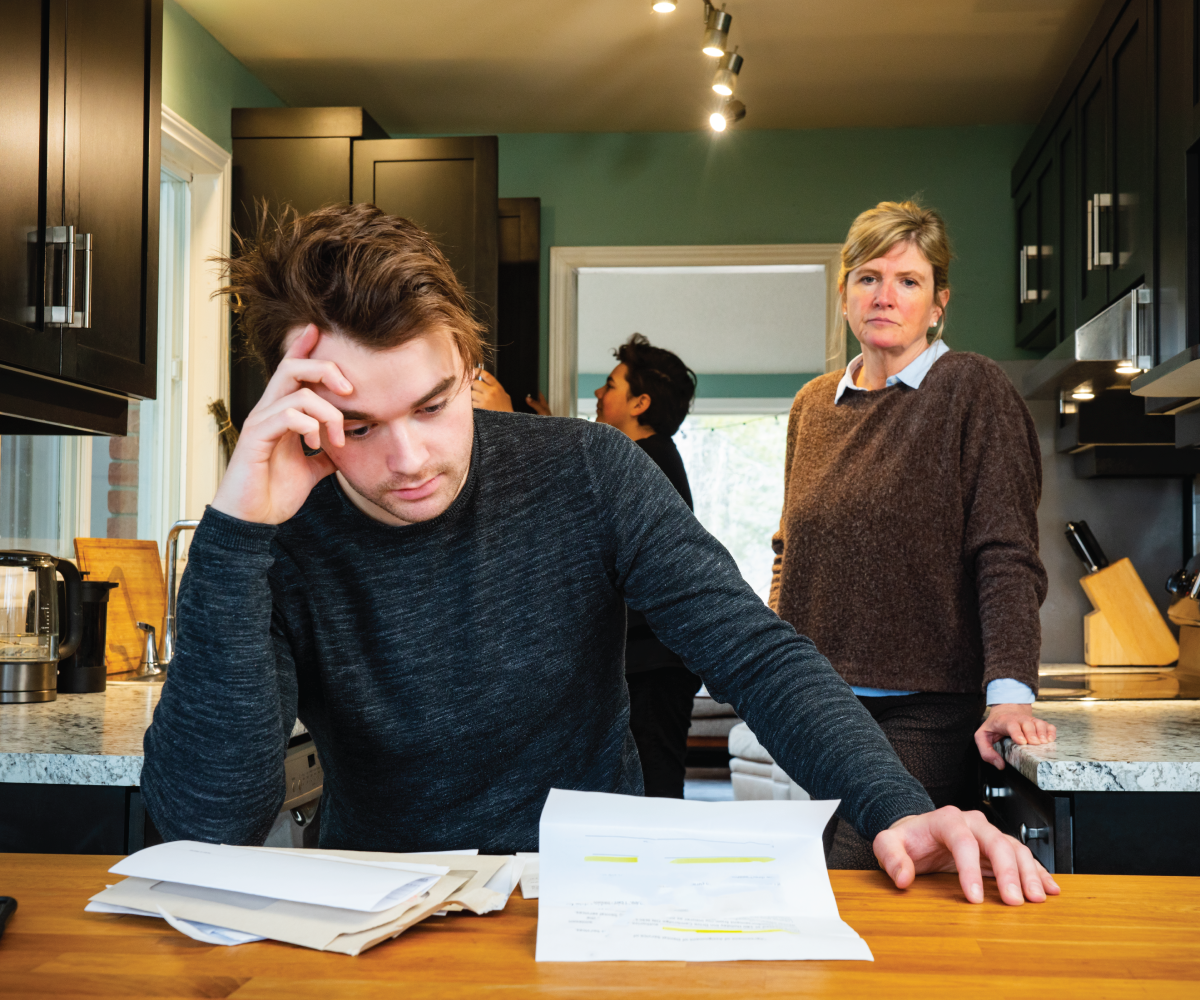
In the Nest: Did the Pandemic Push Young Adults to Live With Their Parents?

Popular claims that the pandemic prompted young adults to "return to the nest" do not reflect reality.

View Details

Project: Center for Public Information on Population Research (CPIPR)

Disadvantage for Black Families Compounded by Economic Circumstances of Kin

Race may be a social construct but it’s one with consequences that may span generations. While both Black and white families can experience upward or downward wealth mobility from one generation to the next, studies show the dramatic socioeconomic disadvantages for Black families have persisted across generations.

View Details

Mother-Daughter Communication About Sexual and Reproductive Health in Rural Areas of Alexandria, Egypt

(2012) In many parts of the world, adolescents are poorly informed about their health, bodies, sexuality, and physical well-being. Adolescent girls in particular are often kept from learning about sexuality and reproductive health (SRH) issues because of cultural and religious sensitivities.

View Details Array ( [ID] => 15588 [id] => 15588 [title] => 09252012-mother-daughter-mena-workingpaper [filename] => 09252012-mother-daughter-mena-workingpaper.pdf [filesize] => 621437 [url] => https://www.prb.org/wp-content/uploads/2021/02/09252012-mother-daughter-mena-workingpaper.pdf [link] => https://www.prb.org/resources/mother-daughter-communication-about-sexual-and-reproductive-health-in-rural-areas-of-alexandria-egypt/09252012-mother-daughter-mena-workingpaper-2/ [alt] => [author] => 15 [description] => [caption] => [name] => 09252012-mother-daughter-mena-workingpaper-2 [status] => inherit [uploaded_to] => 15579 [date] => 2021-02-01 20:40:51 [modified] => 2021-02-01 20:40:51 [menu_order] => 0 [mime_type] => application/pdf [type] => application [subtype] => pdf [icon] => https://www.prb.org/wp-includes/images/media/document.png ) Download (0.6 MB)

More U.S. Children Raised by Grandparents

(2012) Growing numbers of children in the United States are living with a grandparent. In 2010, about one in 14 U.S. children (7 percent) lived in a household headed by a grandparent—for a total of 5.4 million children, up from 4.7 million in 2005.1

View Details

More Than Shelter: How Housing Affordability Is Linked to Older Americans’ Health

Older adults’ housing challenges reflect social and financial inequalities and can lead to poor health.

View Details

Shaping Education on Global Health

2008) In the last five years, interest in global health education has surged.

View Details

Closing the Male-Female Labor Force Gap

(2007) The increase in women's participation in the U.S. labor force is one of the most important social, economic, and cultural trends of the past century.

View Details

Education in the U.S.: The Great Equalizer?

(2014) Changes in racial/ethnic composition, immigration, family composition, and age structure are linked to rising income inequality but they are not the primary or root causes.


View Details