
PRB and CREG Discuss Importance of Recognizing Unpaid Care Work With Women Leaders in Togo
In capital city of Lomé, PRB and longtime partner CREG met with REFAMP Togo to discuss the urgent issues of unpaid care work and demographic transition in West Africa
Lire en français: PRB et CREG discutent discutent de importance de reconnaître le travail domestique non rémunéré avec des leaders féminins au Togo
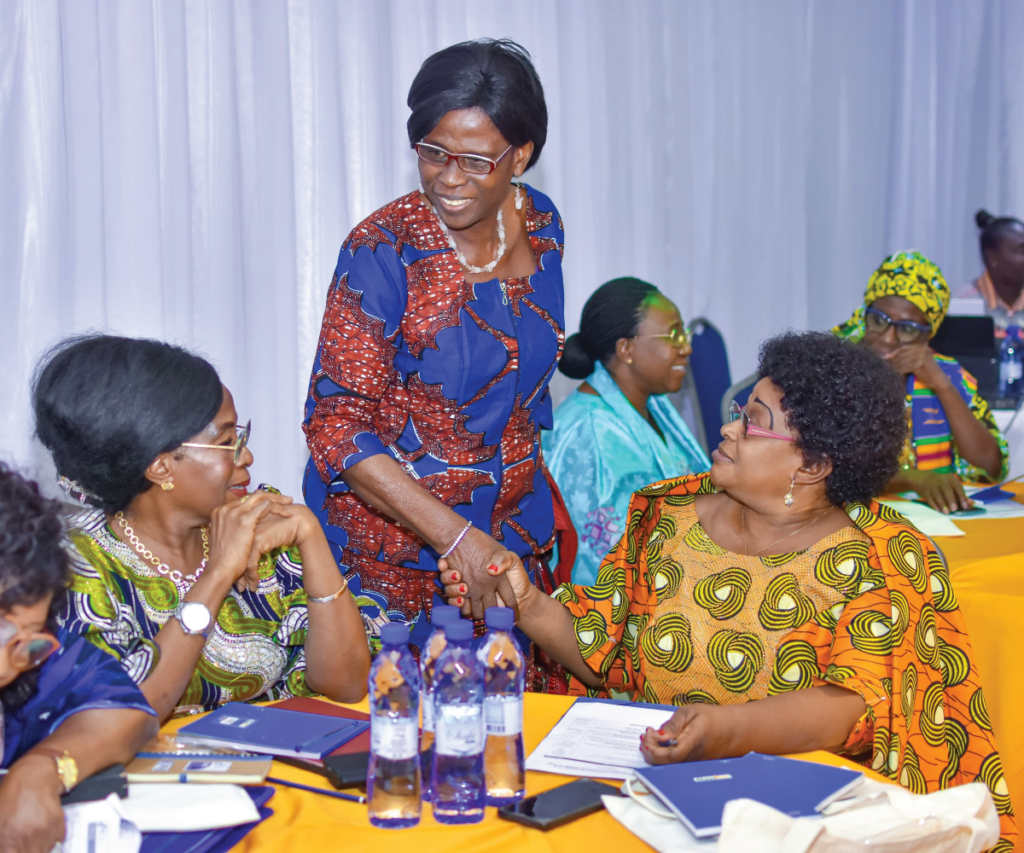
Earlier this month in Lomé, PRB and longtime partner CREG (Regional Consortium for Research in Generational Economy) met with REFAMP Togo, a national network of women former ministers and parliamentarians. Participants discussed the urgent issues of unpaid carework and demographic transition in West Africa, part of PRB’s focus under the Counting Women’s Work project supported by the William and Flora Hewlett Foundation.
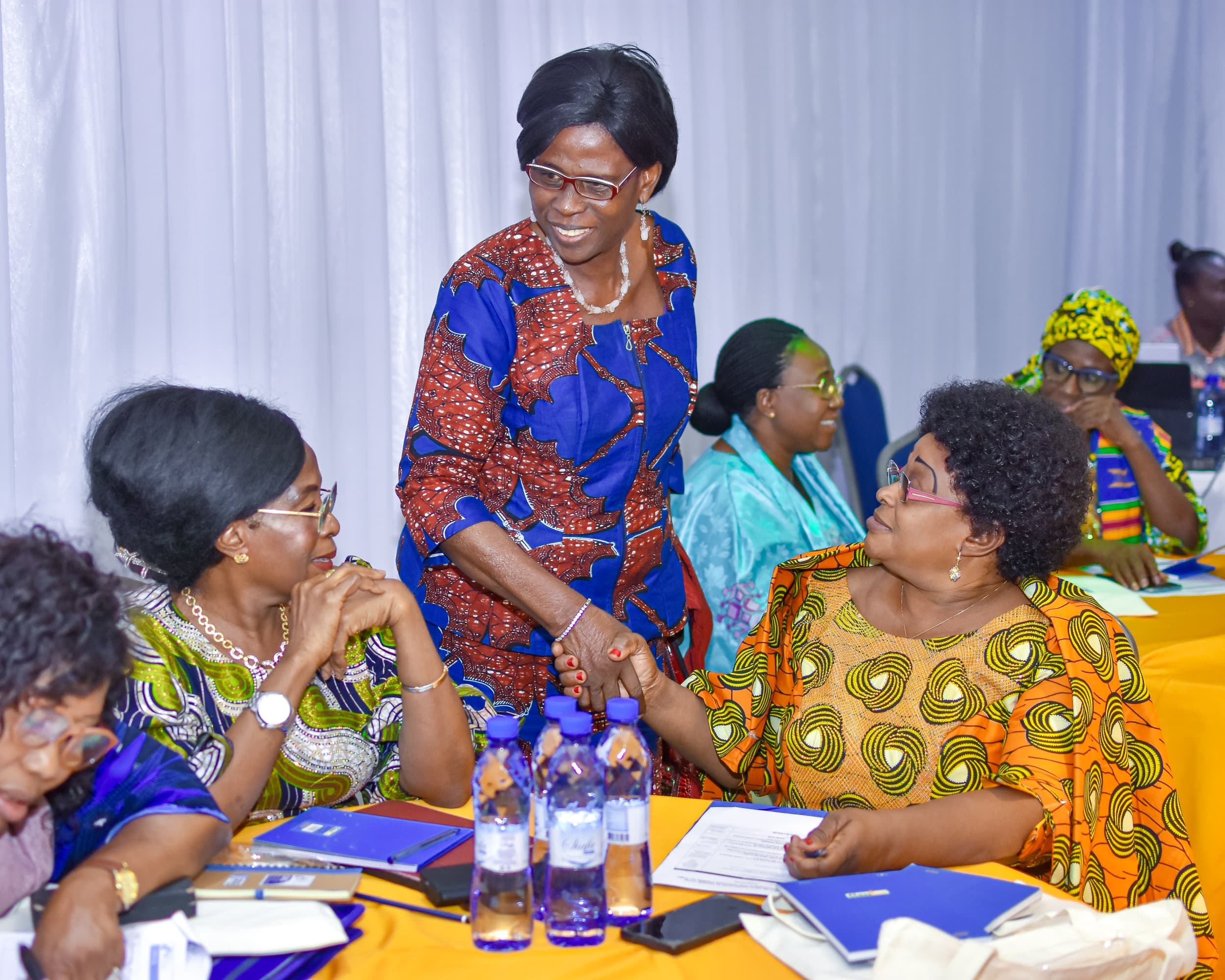
Unpaid domestic work represents an estimated 38% of GDP in Togo, with a contribution of 30% from women and 8% from men, said Professor Latif Dramani of CREG and the National Transfer Accounts network.
Aïssata Fall, PRB Africa Director, highlighted the commitment of West African countries, including Togo, to Agenda 2063 and the African Union roadmap on capturing the demographic dividend by integrating gender and demographic change into planning and budgeting.
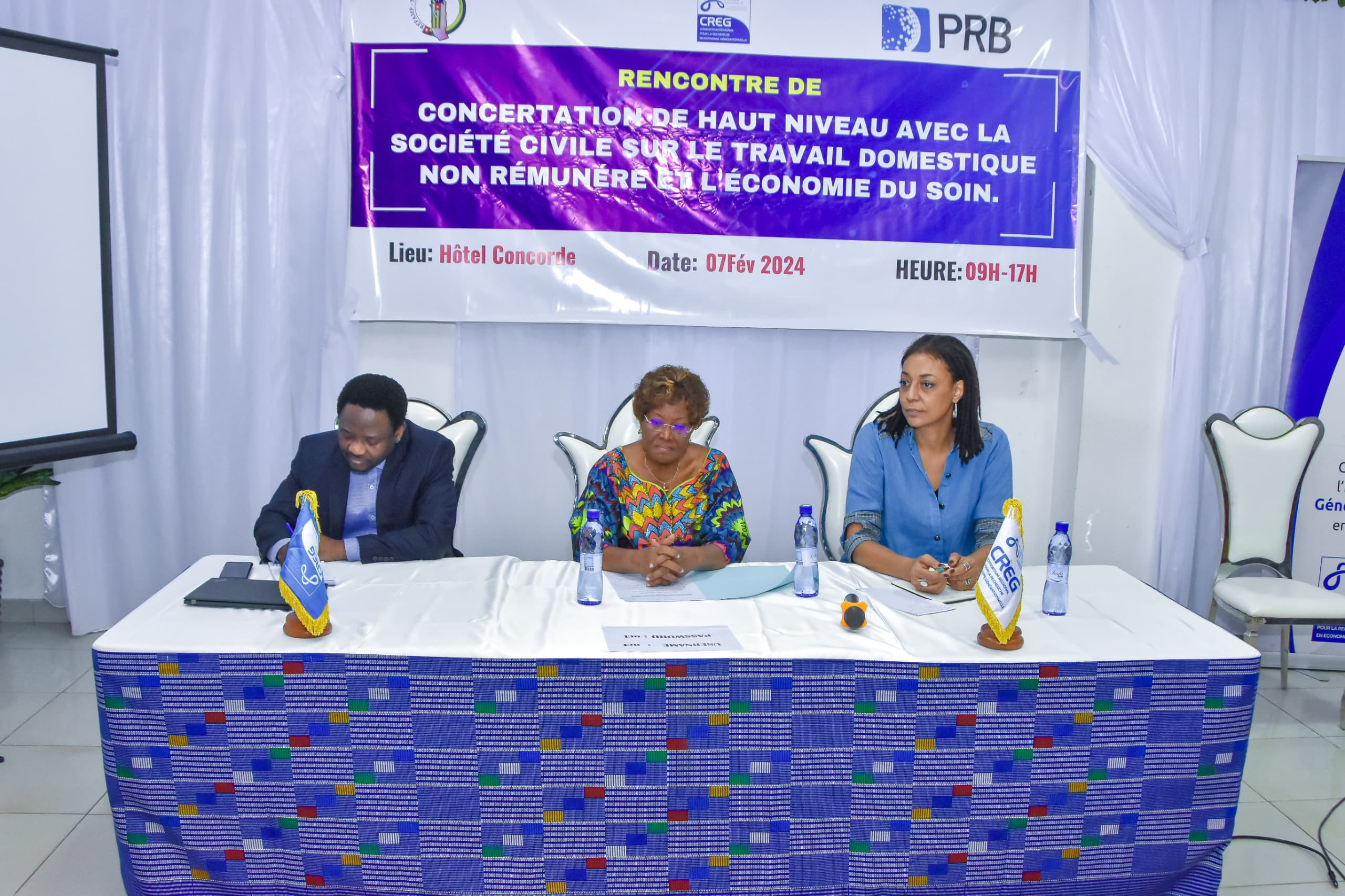
The meeting was covered by several media outlets, including L’Emissaire and AfrikElles. (Watch Fall’s interview with ODD TV, beginning at the 3:15 mark, here.)
“Women are the ones who do the majority of domestic work, also called family care. Unfortunately, because this work is unpaid, it remains invisible in GDP and in analyses of economic progress,” Fall said.
Learn more about the Counting Women’s Work project here.
Thank you to Solis Group for the photos. And thank you to REFAMP Togo for hosting the meeting, and to everyone who joined us in Togo for this vital conversation.
Related Posts
Understanding and Comparing Population Projections in Sub-Saharan Africa
The release of a new set of population projections by the Institute for Health Metrics and Evaluation (IHME) in July 2020 was greeted with extensive coverage in the media and stimulated fresh debate among demographers about calculation and communication of projections.