Toshiko Kaneda
Senior Technical Director
Toshiko Kaneda joined PRB in 2004. She has 20+ years of experience conducting demographic research and analysis, and communicating population and health issues to policymakers, journalists, and the public. Dr. Kaneda has written more than 70 research and policy communication publications on a range of topics, including noncommunicable diseases, population aging, health care access, reproductive health and family planning, climate adaptation, big data, and digital health. Dr. Kaneda directs data analysis for the World Population Data Sheet and provides technical guidance on demographic and statistical methods within PRB and with external partners. She also directs PRB’s U.S. Policy Communications Training Program, which trains U.S. doctoral students to translate scientific research findings for non-scientific audiences, and leads PRB’s analytical contribution to the Demographics of African Faculty project in the East Africa Community (DAF-EAC).
Dr. Kaneda has been interviewed by various media outlets, including the Associated Press, BBC, Businessweek, National Geographic, Nature, and the Wall Street Journal. Prior to joining PRB, Dr. Kaneda was a Bernard Berelson Fellow at the Population Council. She holds a Ph.D. in sociology from the University of North Carolina at Chapel Hill, where she was a predoctoral trainee at the Carolina Population Center.

Expertise
Aging and Depopulation
Caregiving and the Care Economy
Population Dynamics and Planning
Sexual and Reproductive Health
Featured Projects
project
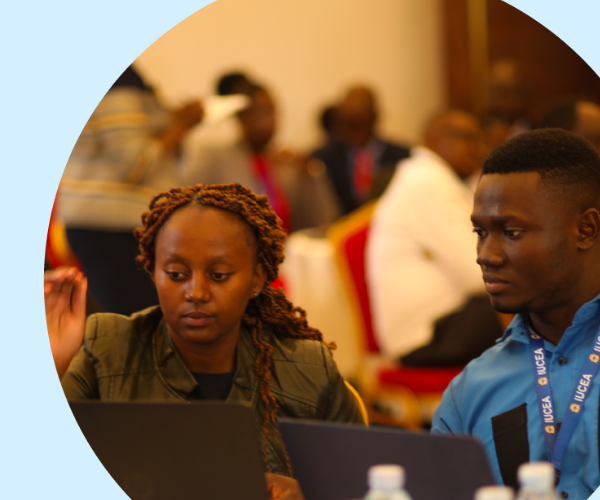
Demographics of African Faculty–East African Community (DAF-EAC)
Together with regional partners, PRB is investigating the scale and nature of the challenges affecting the quality of higher education in the East African Community.

project
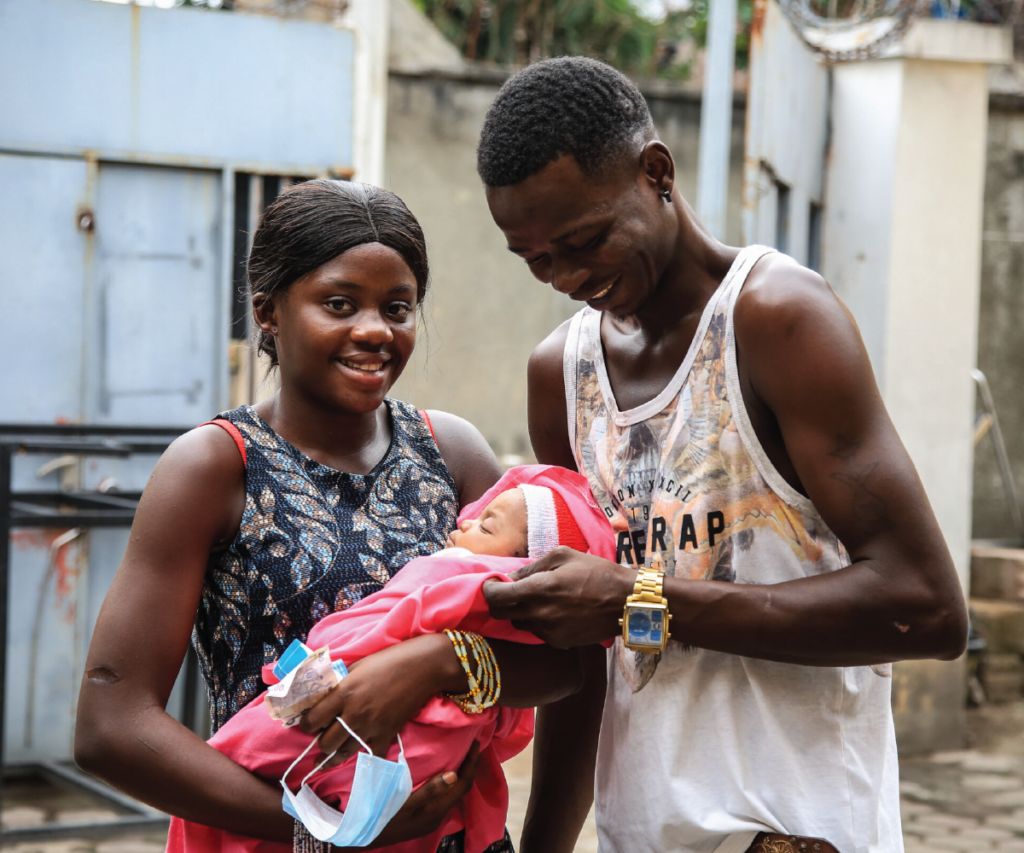
Protecting SRHR in the Context of Fertility Decline
PRB and EngenderHealth, with support from the David and Lucile Packard Foundation, will help the global SRHR community understand, discuss, and navigate concerns about declining fertility rates, so that women’s rights and choice are protected.

project
PROPEL Health
PRB is a partner on the PROPEL Health project, which is working to support more equitable and sustainable health services, supplies, and delivery systems through policy, financing, governance, and advocacy.

project
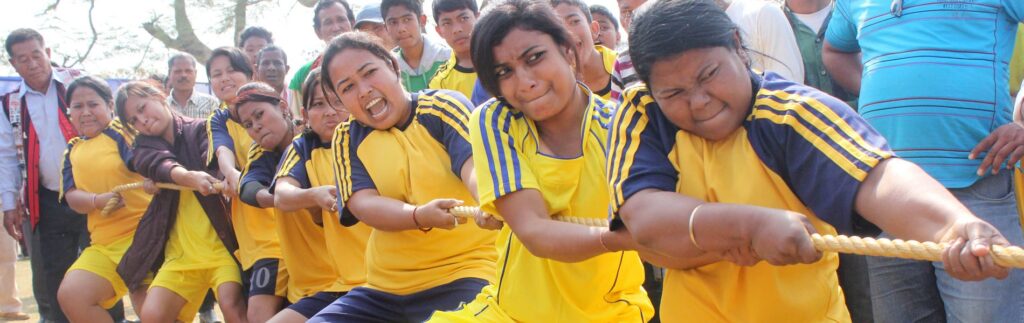
U.S. Policy Communications Training
The U.S. Policy Communications Training Program builds on PRB’s 40-year legacy of training researchers to bridge the gap between research findings and the policy development process.
project
Combatting Noncommunicable Disease Risk Factors in Youth
PRB produced a global interactive database and a series of regional policy reports and data sheets that highlight the importance of taking action now to address noncommunicable disease (NCD) risk factors among youth.

project
Demography and Economics of Aging and Alzheimer’s Disease
PRB summarizes recent research supported by the National Institute on Aging (NIA) of the National Institutes of Health, highlighting its implications for individuals and society.

Featured Resources
- Report
resource
Report: Demographics of African Faculty in the East African Community
The Demographics of African Faculty in the East African Community (DAF-EAC) is a study undertaken by a consortium comprised of the Inter-University Council for East Africa (IUCEA), Education Sub Saharan Africa (ESSA), the Association of African Universities (AAU), and the Population Reference Bureau (PRB).

- Article
- Training Tool
resource
Beyond the Headlines: What's Really Happening With Global Fertility?
This guide explains what’s behind falling fertility rates, unpacks common assumptions about fertility decline, and explores how policymakers can respond.

- Article
resource
As Dementia Rises, More Older Americans Are Getting Care at Home. It's Not Without Challenges.
Families face the financial burden of paying out-of-pocket for care not covered by Medicare and Medicaid and the emotional toll of day-to-day caregiving.

- Article
resource
Off the Clock: Europeans Can Expect to Spend Over Half of Their Lives After Age 15 Providing Unpaid Care Work
Women spend more time as caregivers than men, and childless adults provide more support to their parents than those with children, studies on Europe show

- Report
resource
Demystifying Big Data for Demography and Global Health
Combining big data with traditional data can generate richly detailed and valuable analyses for global health professionals, but its use comes with drawbacks.

- Article
resource
Future Trends in Fertility Will Shape the Demographic Window of Opportunity in USAID Priority Countries
A country’s age structure is primarily driven by its past fertility trends, which have important economic, social, and political implications.

- Interactive
resource
Interactive. Digital Health Compendium: Harnessing the Power of Digital Health Technology for Family Planning and Reproductive Health
(2020) As low- and middle-income countries transition from paper to digital systems, family planning programs can benefit from unprecedented opportunities to improve services.

- Interactive
resource
PRB Data Center Highlights Role of Youth in Combatting Noncommunicable Diseases
A global database on the prevalence of risk behaviors among youth for noncommunicable diseases (NCDs) highlights the need to focus on young people to tackle the growing NCD epidemic—especially in low- and middle-income countries.

- Article
resource
Sub-Saharan Africa’s Demographic and Health Characteristics Will Influence the Course of the COVID-19 Pandemic
When the World Health Organization declared COVID-19 a pandemic on March 11, 2020, few sub-Saharan African countries had reported a single case of the disease, caused by the novel coronavirus SARS-CoV-2.
- Interactive
resource
Oldest Areas May Be Hardest Hit: The Importance of Age Structure in Understanding Mortality During the Coronavirus Pandemic
Evidence to date suggests that deaths among people who have tested positive for the coronavirus are highest at older ages and near zero for young children.

- Report
resource
Older Americans’ Greater Health Problems May Make Them More Vulnerable to Coronavirus’s Effects
(2020) Older Americans on average have a higher level of age-related health problems than their counterparts in Europe and many other countries (see table).

- Report
resource
PopPov Workshop Examines Benefit of Canning-Karra-Wilde Model in Policy Planning in Africa
(2017) Researchers from the Population and Poverty Research Network (PopPov) have developed a macroeconomic model that estimates the impact of fertility declines on economic growth. The model is especially useful in country-level policy planning.

- Training Tool
resource
Promoting Healthy Behaviors Among Youth to Tackle Kenya’s Growing Noncommunicable Diseases Epidemic
Kenya is experiencing a growing epidemic of noncommunicable diseases (NCDs). A window of opportunity exists to address the four key NCD risk behaviors ( tobacco use, alcohol use, unhealthy diet, physical inactivity) in Kenya's large and growing youth population.

- Interactive
resource
The Fast-Track Cities Initiative: Ensuring Youth Are Not Left Behind in Achieving our 90-90-90 Goals
Despite improvements of overall HIV status in adults from 2005 to 2012, AIDS-related deaths increased by 50 percent among adolescents.

- Training Tool
resource
Integrating Health Services for Young People: Tackling the Growing Noncommunicable Disease Epidemic
This policy report argues that integrating noncommunicable disease (NCD) services—particularly those targeted at prevention and early intervention—with other health services for young people can help tackle the growing NCD epidemic in low- and middle-income countries (LMICs).

- Article
resource
Policy Report. Integrating Health Services for Young People: Tackling the Growing Noncommunicable Disease Epidemic
This policy report argues that integrating noncommunicable disease (NCD) services—particularly those targeted at prevention and early intervention—with other health services for young people can help tackle the growing NCD epidemic in low- and middle-income countries (LMICs).

- Article
resource
Policy Report. Young People Are Asia’s Key to Curbing the Rise of Noncommunicable Diseases
(2016) Asia has an opportunity to curb a rising noncommunicable disease (NCD) epidemic by addressing NCD risk factors among young people, according to a new set of PRB publications.

- Article
resource
Fiche de données. Maladies non transmissibles en Afrique : Les jeunes jouent un rôle déterminant
(2015) Cette fiche de données accompagne le document de politique intitulé Maladies non transmissibles en Afrique : Les jeunes jouent un rôle déterminant dès lors qu’il s’agit d’enrayer l’épidémie des MNT et d’assurer un développement durable.

- Report
resource
Understanding Population Projections: Assumptions Behind the Numbers
Policymakers and program planners rely on population projections to assess future demand for resources such as food, water, and energy, as well as services such as health and education.

- Report
resource
Policy Brief. Understanding Population Projections: Assumptions Behind the Numbers (2014)
Policymakers and program planners rely on population projections to assess future demand for resources such as food, water, and energy, as well as services such as health and education.

Featured News & Insights
- News
post
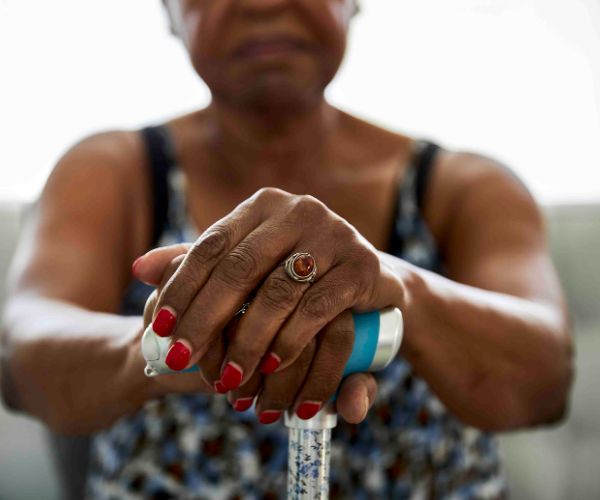
Older Americans With Dementia Are More Likely to Suffer a Debilitating Fall. Targeted Interventions Could Help.
In an aging country, understanding fall risk and supporting caregivers with evidence-based strategies to mitigate it are increasingly urgent.
- News
post
Like the United States and Europe, the Asia-Pacific Region Is Experiencing Low Fertility and Population Aging
As the Asia-Pacific region's population shifts due to low fertility and societies age, women may face specific challenges tied to factors like their longevity, financial resources, and caregiving responsibilities.

- News
post
Analyzing Big Data on a Shoestring Budget
Big data has opened a new world for demographers and public health scientists to explore. But is analyzing big data practical and affordable?

- Insights
post
How Many People Have Ever Lived on Earth?
The global population milestone of 8 billion represents nearly 7% of the total number of people who have ever lived on Earth.

- News
post
Seven Lessons in Sustainability and Scalability for Digital Health Solutions
Updates to the mHealth Compendium’s family planning case studies highlight how programs have evolved, revealing insights on sustainability and scalability.

- News
post
Pandemic Prompts New Digital Health Solutions for Family Planning
How programs in India, Nigeria, and Uganda embraced new technology to deliver family planning and maternal health services emphasizing self-care throughout COVID-19.

- News
post
COVID-19 Cases and Deaths in Sub-Saharan Africa Appear Vastly Undercounted
Without better COVID-19 data, countries may struggle to identify priority populations for vaccines and secure the donor assistance they need to save lives.

- Insights
post
Understanding and Comparing Population Projections in Sub-Saharan Africa
The release of a new set of population projections by the Institute for Health Metrics and Evaluation (IHME) in July 2020 was greeted with extensive coverage in the media and stimulated fresh debate among demographers about calculation and communication of projections.

- Insights
post
How Demographic Changes Make Us More Vulnerable to Pandemics Like the Coronavirus
(2020) The world is better equipped to fight a pandemic today than it was in 1918, when influenza swept the globe and infected up to one-third of the world’s population.

- News
post
PRB Report Launch: Curbing the Noncommunicable Disease Epidemic in the Middle East and North Africa
“If we can implement the right combination of effective and sustainable interventions to nurture healthy behaviors among youth today, then we can make progress toward curbing the NCD epidemic [in the MENA region] in one generation,” said Toshiko Kaneda, a senior research associate at the Population Reference Bureau (PRB), to an engaged crowd of around 70 people gathered at the American University of Sharjah in the United Arab Emirates (UAE) for the launch of PRB’s new report and data sheet on preventing noncommunicable diseases (NCDs) through curbing the risk factors among youth in the Middle East and North Africa (MENA).