
SAFE ENGAGE Presents a New Training Module on COVID-19 and Sexual and Reproductive Health
The module includes two presentations that unpack the pandemic’s anticipated effects on sexual and reproductive health, with a focus on abortion care and guidance on how to engage policymakers.
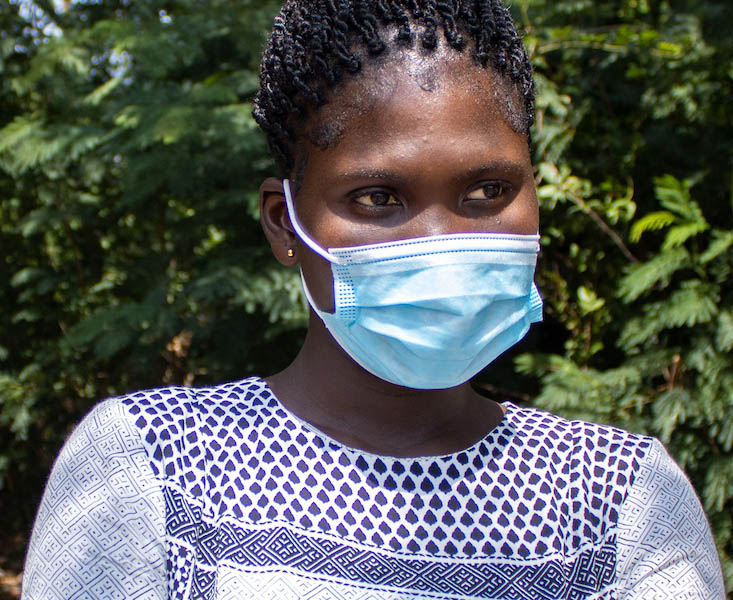
The rapid spread of the coronavirus pandemic around the globe since early 2020 has severely impacted women’s sexual and reproductive health and rights in many ways. PRB’s latest training module, “COVID-19 and Sexual and Reproductive Health: Impacts and Responses,” is intended for civil society actors working to ensure communities maintain access to essential care and advocating for protections of sexual and reproductive health and rights to governments and national stakeholders. The module includes two presentations that unpack the pandemic’s anticipated effects on sexual and reproductive health, with a focus on abortion care and guidance on how to engage policymakers on this topic.
The pandemic has disrupted access to care, rerouted funding streams, impeded supply chains, and diverted the attention of decisionmakers and the media away from sexual and reproductive health priorities. Lockdowns and other measures intended to slow the spread of the virus that causes COVID-19 have had secondary impacts that negatively affect women’s health, such as increases in domestic and gender-based violence and interruptions in access to essential health care including contraceptive care and safe abortion. In the longer term, the effects of these interruptions to care weaken the health system and risk wide-ranging health and societal impacts as millions of women cope with unwanted pregnancy.
Lessons from past epidemics and disasters can give us some framework to understand the risks of the coronavirus pandemic. These past examples highlight the fact that society’s most vulnerable people—including women and girls—are disproportionately at risk of adverse impacts.
“COVID-19 and Sexual and Reproductive Health and Rights” examines the pandemic’s impact on access to comprehensive reproductive health care services, and “How to Engage With Policymakers and the Media During the COVID-19 Pandemic” discusses strategies that can be used to engage with policymakers during periods of crisis.
Related Posts
Health Sector Reform: How It Affects Reproductive Health
(June 2003) Many less developed countries are reforming their health systems in an effort to achieve public health goals more affordably and effectively.
Report. Health Sector Reform: How It Affects Reproductive Health
This report also in French and Spanish. (June 2003) Many less developed countries are reforming their health systems in an effort to achieve public health goals more affordably and effectively.
Providers and Quality of Care
(2002) Providers of reproductive health information and services are critical parts of the complex equation that determines quality of care.
Report. Reproductive Health in Policy & Practice: Case Studies From Brazil, India, Morocco, and Uganda
To assess how the Programme of Action, agreed upon at the 1994 International Conference on Population and Development (ICPD), is being implemented, senior researchers in Brazil, India, Morocco, and Uganda conducted country case studies.
Reproductive Health in Policy & Practice: Case Studies From Brazil, India, Morocco, and Uganda
To assess how the Programme of Action, agreed upon at the 1994 International Conference on Population and Development (ICPD), is being implemented, senior researchers in Brazil, India, Morocco, and Uganda conducted country case studies.