The U.S. Population Is Growing Older, and the Gender Gap in Life Expectancy Is Narrowing
The current growth of the population ages 65 and older is unprecedented in U.S. history and has important implications for policymakers.

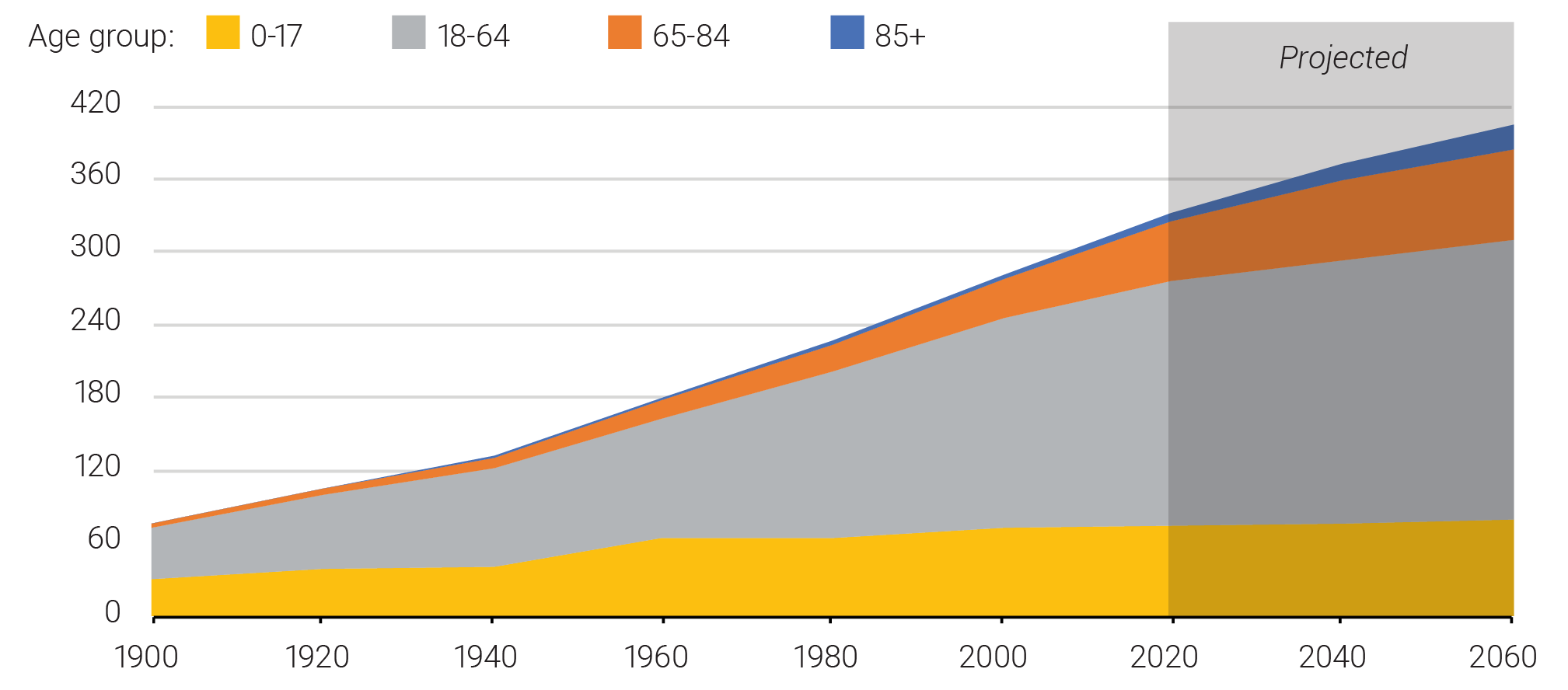
The current growth of the population ages 65 and older is unprecedented in U.S. history and has important implications for policymakers.
Project: IDEA: Informing Decisionmakers to Act
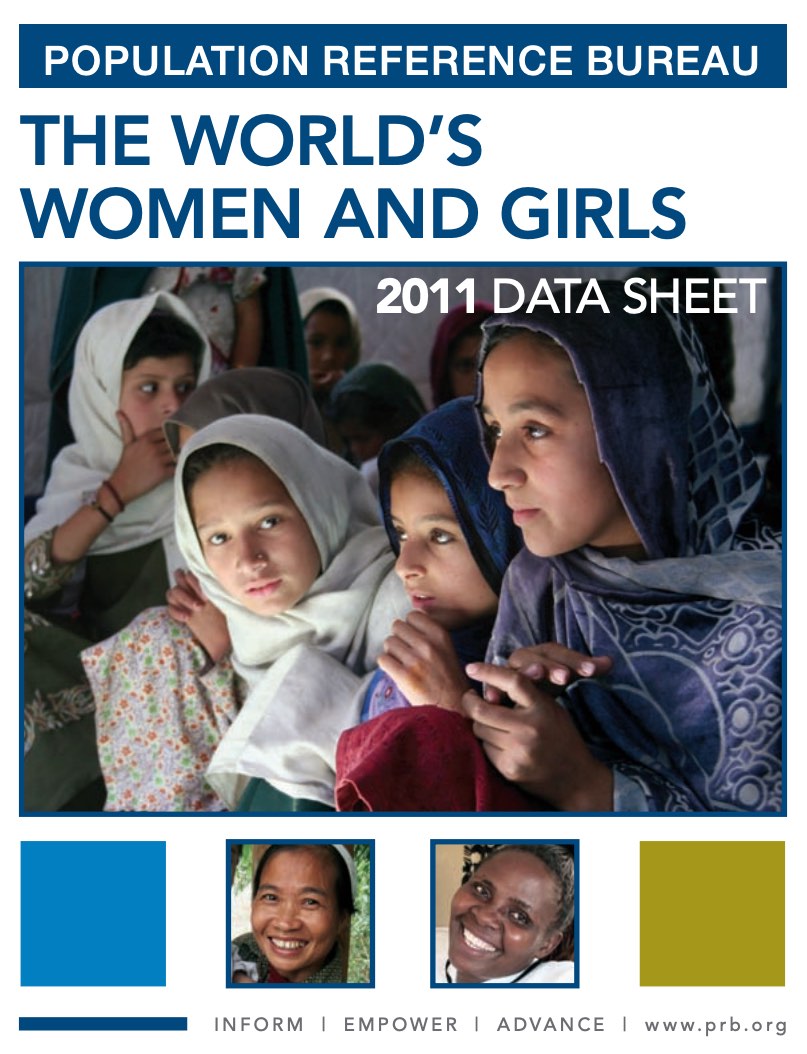
(2011) In which country do 72 percent of women marry before age 18? Worldwide, what percent of girls complete primary school? What is the average number of lifetime births per woman in Niger?
(2006) On February 17, a devastating landslide killed an estimated 1,800 Filipinos in Guinsaugon on the southern part of Leyte Island in eastern Philippines.
Project: Strengthening Evidence-Based Policy to Expand Access to Safe Abortion (SAFE ENGAGE)
The module includes two presentations that unpack the pandemic’s anticipated effects on sexual and reproductive health, with a focus on abortion care and guidance on how to engage policymakers.
(2011) "Vasectomy is like putting money in the bank. [It] is a long-term investment, money you [would] have otherwise used to buy expensive birth control methods," says Dr. Charles Ochieng, a medical doctor in Kenya.
The Evidence Project uses implementation science—the strategic generation, translation, and use of evidence—to improve family planning policies, programs, and practices. Led by the Population Council, the five-year project (2013–2018) is investigating which strategies work best in improving, expanding, and sustaining family planning services.

Project: American Community Survey and Decennial Census Support Services
(2020) The U.S. population is undergoing rapid racial and ethnic change, led by growth of the Hispanic/Latino and Asian American populations. For policymakers and others, keeping track of these changes is important because some racial and ethnic groups are faring worse than others.
An estimated 100 million to 140 million girls and women worldwide have undergone female genital mutilation/cutting (FGM/C) and more than 3 million girls are at risk for cutting each year on the African continent alone.
(2000) The gap in male-female literacy in Afghanistan, which will undoubtedly widen as a result of the current government's draconian policies, offers a striking illustration of women's marginal status in that country.