Mountains: Sources of Water, Sites of Poverty and War
(2002) Why the focus on mountains? They provide fresh water for most of the urban population living in the lowlands, the Earth's greatest biodiversity, and recreation destinations.

(2002) Why the focus on mountains? They provide fresh water for most of the urban population living in the lowlands, the Earth's greatest biodiversity, and recreation destinations.
(2010) Quasiment 215 millions de femmes vivant dans des pays en voie de développement souhaiteraient éviter une grossesse mais n’utilisent pas de moyen de contraception efficace.
(2001) Title VII of the Civil Rights Act of 1964 sought to reduce racial inequality by eliminating discrimination in the labor market.
Project: PACE: Policy, Advocacy, and Communication Enhanced for Population and Reproductive Health
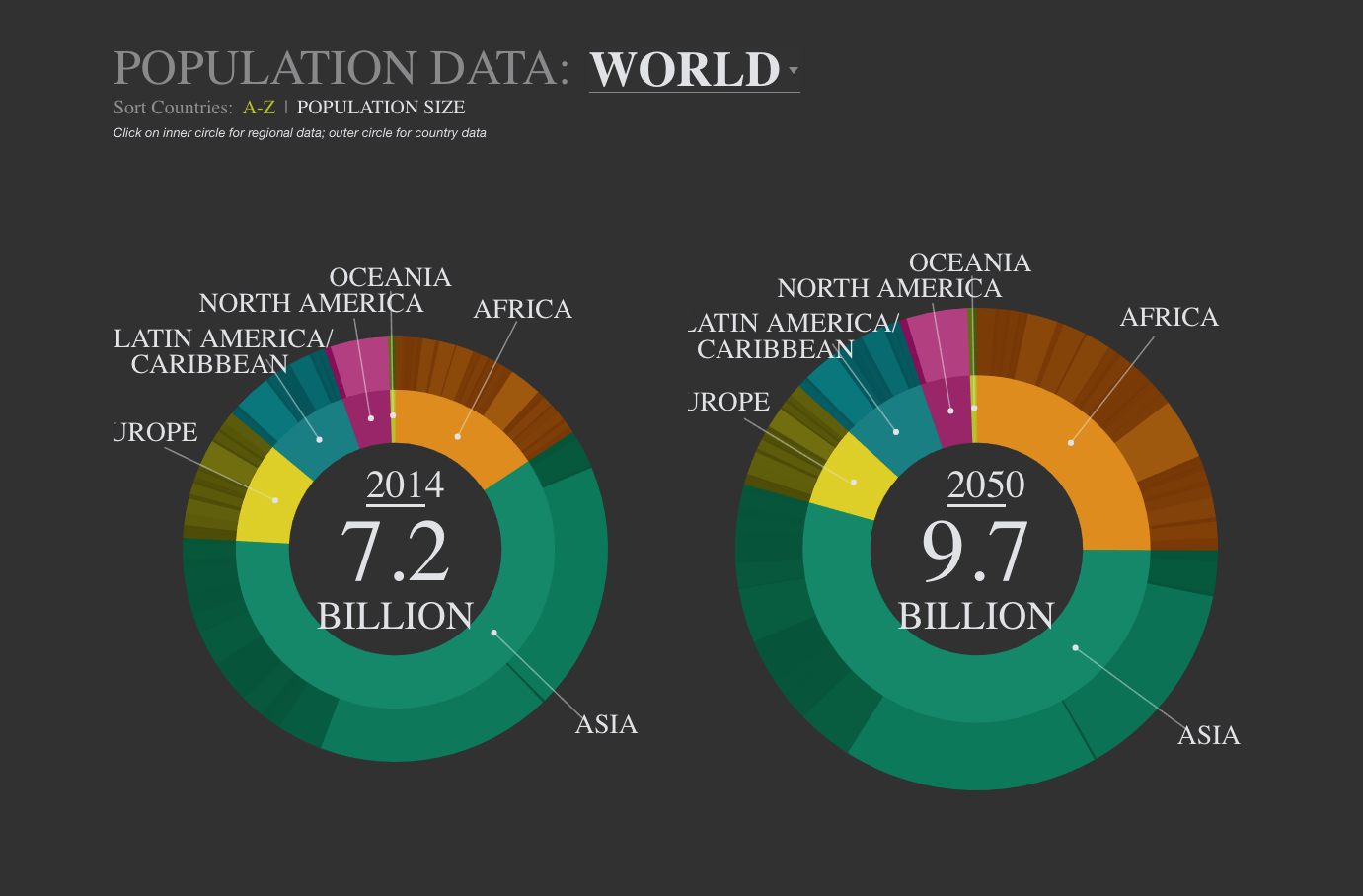
PRB's Digital Visualization highlights key global demographic trends. Explore current and projected population by region and country. And look at changes in total fertility, infant mortality, and life expectancy since 1970. A U.S. "What-If" scenario focuses on the effects of race and ethnicity on child poverty, child obesity, and college degrees.
(2003) Reaching age 100 has long fascinated society. The century mark holds an almost mystical importance as a seal of hardiness and good health — the sign of a life well-lived.
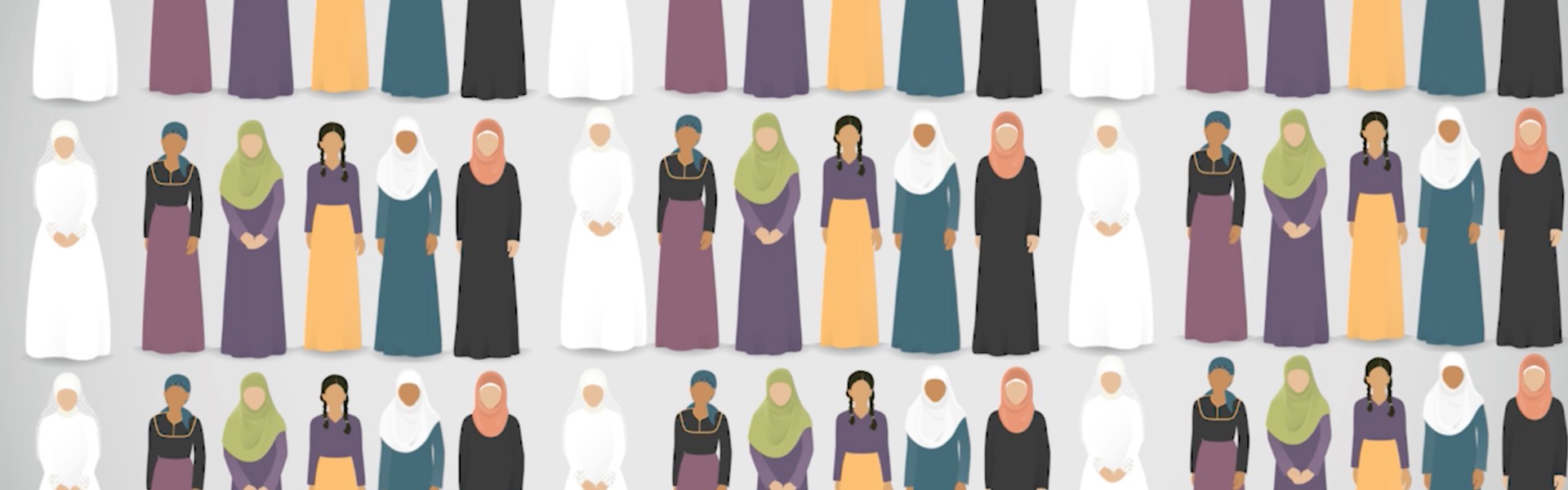
(2016) Every year, millions of girls in developing countries marry before their 18th birthday. In Egypt, it is one in six girls.

Project: Research Technical Assistance Center (RTAC)
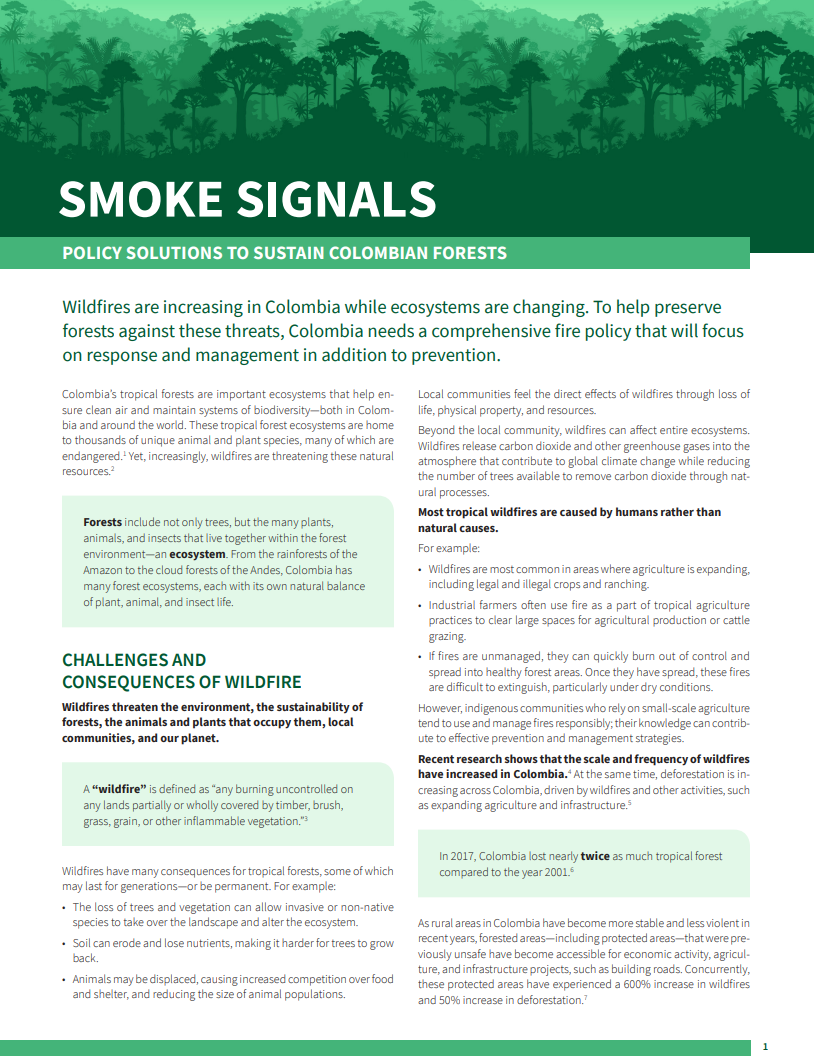
Colombia’s tropical forests are important ecosystems that help ensure clean air and maintain systems of biodiversity, yet wildfires threaten them.
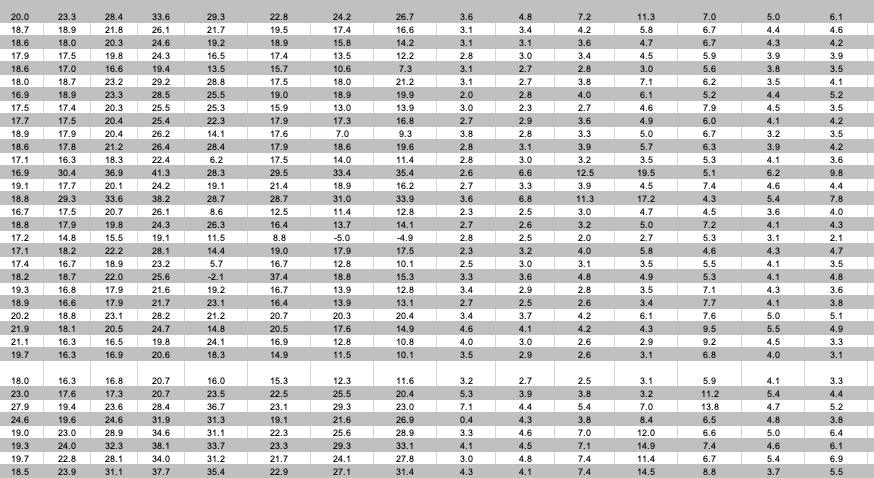
(December 2008) According to the United Nations (UN), "Population ageing is unprecedented, without parallel in human history and the twenty-first century will witness even more rapid ageing than did the century just past."
(2010) U.S.-born Latinos and foreign-born Latinos face widely different social and economic experiences in the United States.