Gender-Based Violence Increases Risk of HIV/AIDS for Women in Sub-Saharan Africa
(2011) Approximately 68 percent of people infected with HIV worldwide live in sub-Saharan Africa, where the virus disproportionately affects women.

(2011) Approximately 68 percent of people infected with HIV worldwide live in sub-Saharan Africa, where the virus disproportionately affects women.
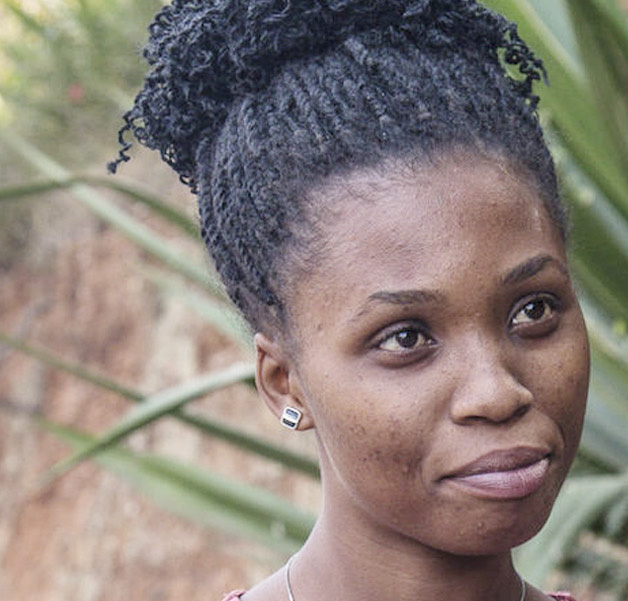
(2009) Youth around the world—especially young women—experience a high risk of unplanned pregnancy and HIV because of their limited knowledge about sexual and reproductive health. Sexual behaviors among youth can include positive practices, such as abstinence and condom use, or lead to negative outcomes such as unplanned pregnancy and the spread of sexually transmitted infections (STIs).
(2011) Global food prices have been rising, threatening to reach record levels in the coming months if current trends continue.
(2007) States increasingly consider science and technology resources to be an asset in developing a strong economic advantage. As a result, strategies for training, attracting and retaining scientists and engineers have become more important state and national public policy issues.
(2011) Being a college student often means living at a subsistence-level income and suspending some big life decisions and events—like getting married and having children. But while women may delay marriage and children to pursue a degree, women with at least a bachelor's degree are actually more likely to get married than women with less education and are more likely to wait until marriage to start a family.

(2018) Many children may lose public health insurance and nutrition assistance benefits under proposed changes to U.S. immigration policy.