Gender Equity for Work and Pay
How are women faring around the world—and what can the United States learn?

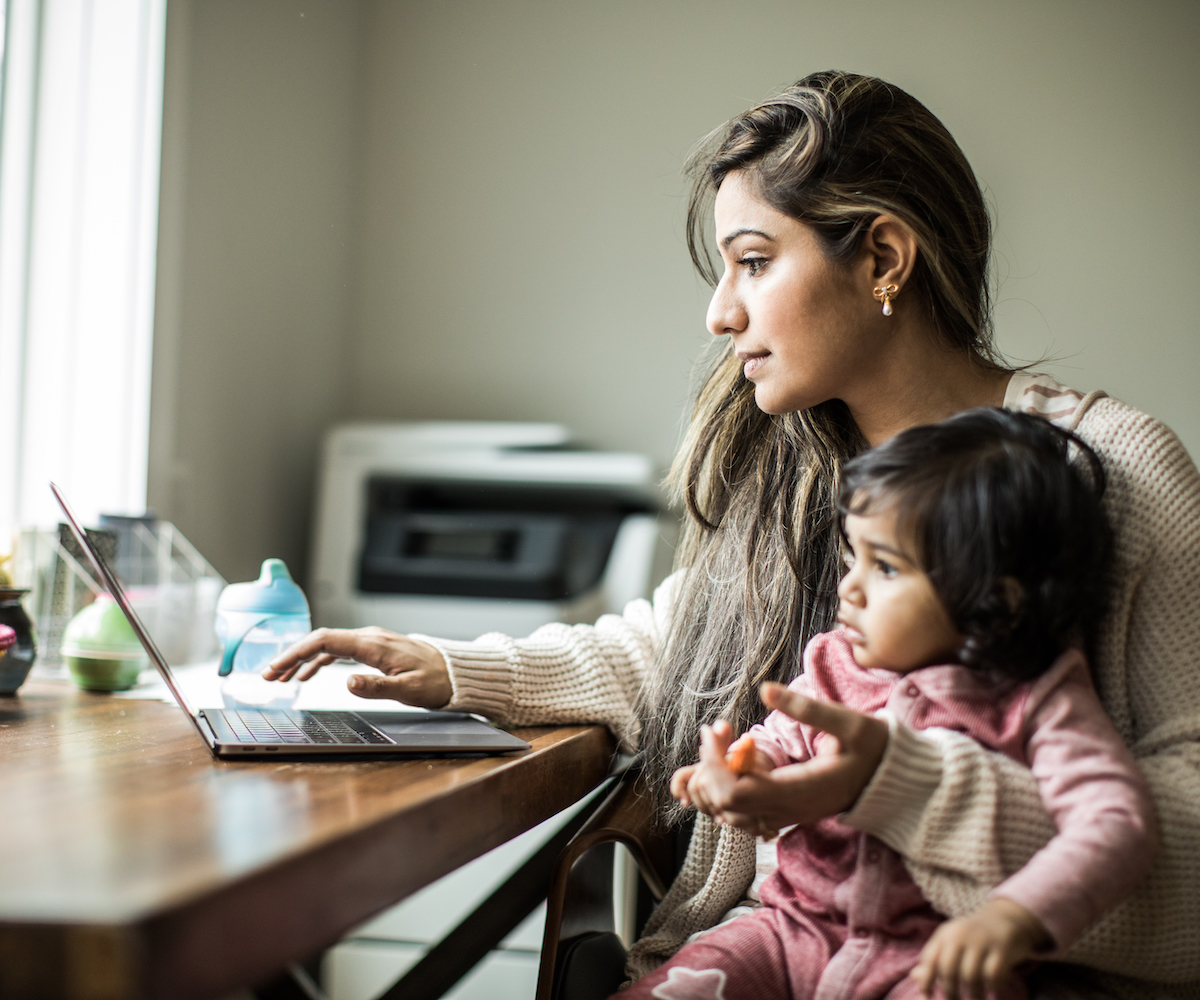
How are women faring around the world—and what can the United States learn?
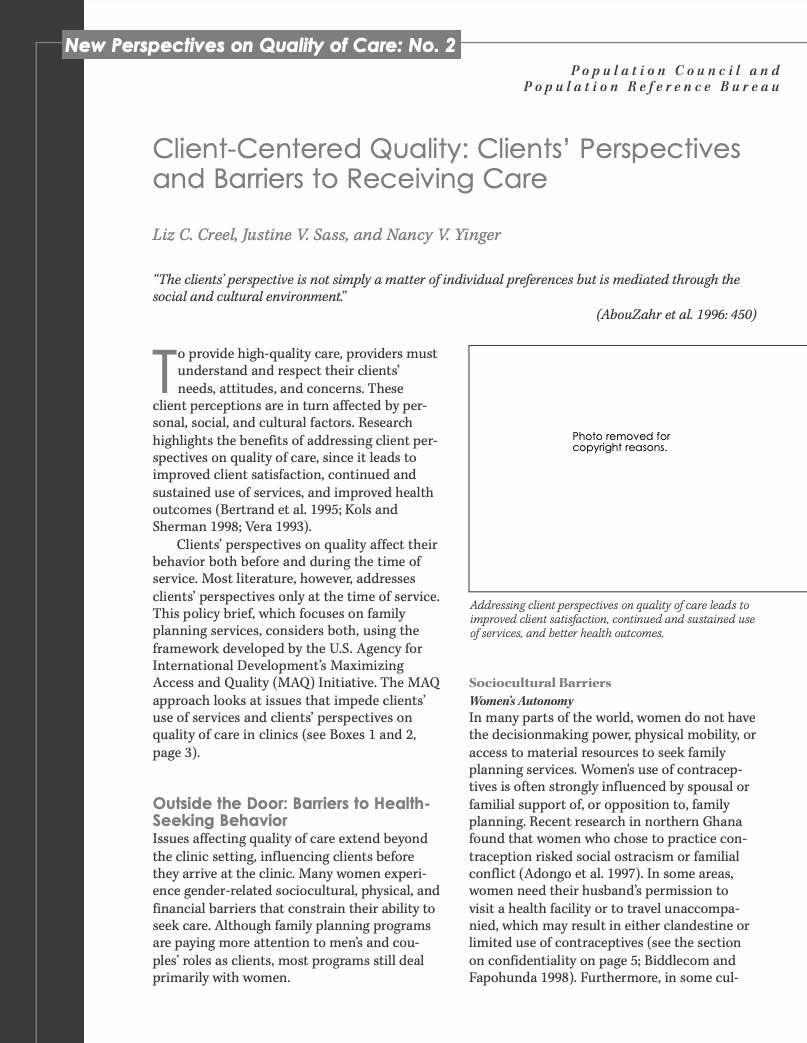
To provide high-quality care, providers must understand and respect their clients' needs, attitudes, and concerns. These client perceptions are in turn affected by personal, social, and cultural factors.
(2011) Global food prices have been rising, threatening to reach record levels in the coming months if current trends continue.

Recent research about migration patterns after the most destructive wildfires may help us predict what happens next
(2005) More African Americans are living with HIV or already dead from AIDS than any other single racial or ethnic group in the United States—a crisis one black AIDS activist calls "a state of emergency" for the African American community.
(2016) As countries around the world embark on a drive to achieve the sustainable development goals (SDGs) by 2030, the concept of a demographic dividend is attracting increased attention among policymakers seeking more sustainable economies.
(2007) New population estimates from the U.S. Census Bureau show that Hispanics continue to fuel rapid population growth in the United States. Between 2000 and 2006, the Hispanic population grew from 35.3 million to 44.3 million, a 26 percent increase.
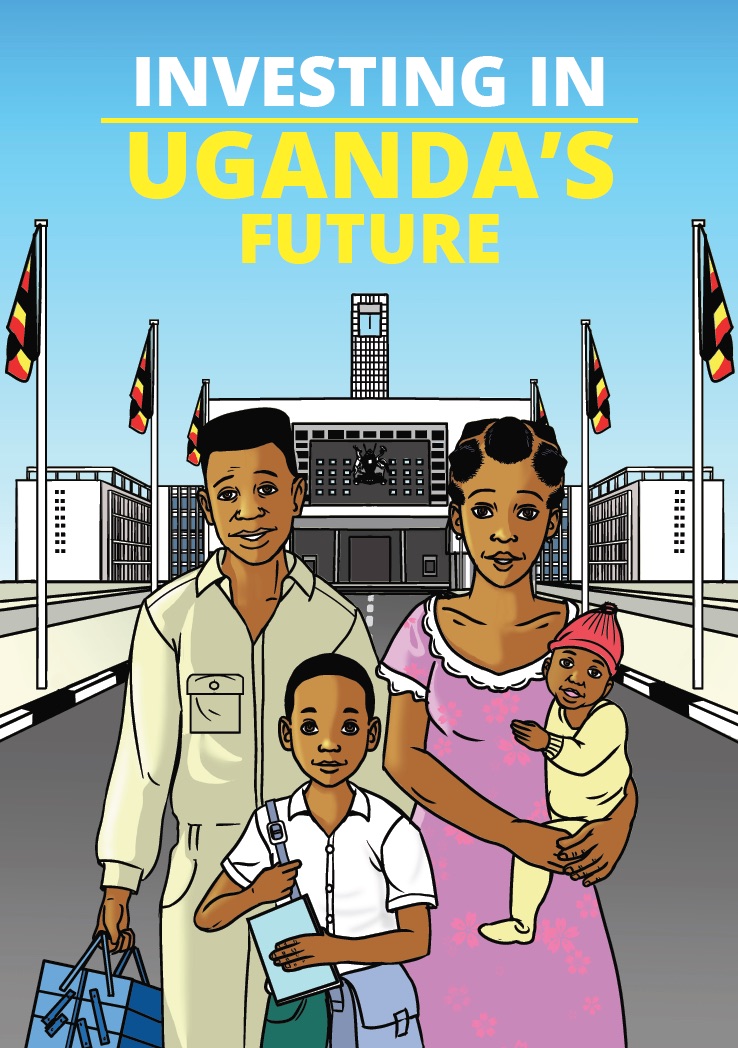
Project: Empowering Evidence-Driven Advocacy
More than one-quarter of married women in Uganda would like to delay or prevent pregnancy but are not using family planning.
At the time of the April 1, 1999 Census, the population of Vietnam stood at just over 76 million, making it the 13th largest country in the world. From 1979 to 1999, nearly 24 million people were added to the country's population.