
How Can Programs Better Support Parents?
Two new evidence-based resources aim to help stakeholders build parenting programs that support nurturing care for young children.
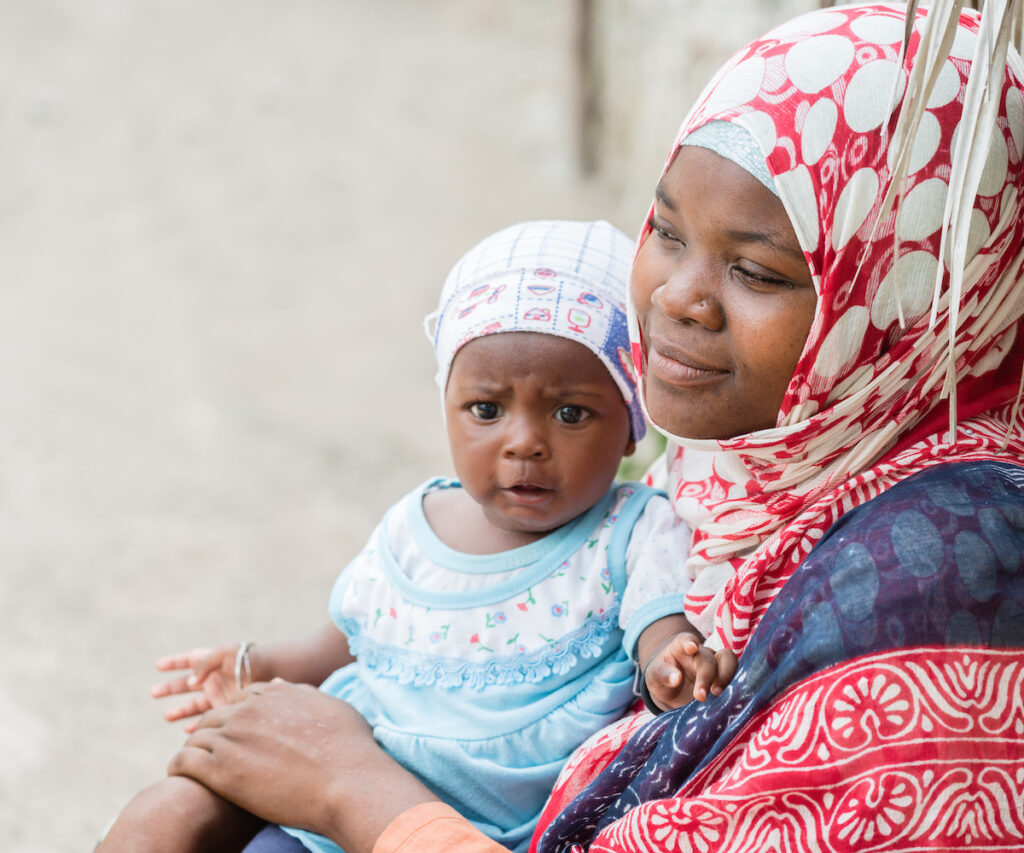
A growing body of evidence shows that the care a child receives from birth to age 3 shapes their development into adulthood. PRB has helped developed two sets of resources to promote more effective programs for parents and other primary caregivers, giving them the support they need to provide nurturing care to young children.
The first set of resources, developed with researchers from Stellenbosch University in South Africa, outlines key elements of successful parenting programs and steps forward for program implementers, global donors, and other stakeholders. A brief and companion factsheet offer eight guiding questions that can be used to inform program design, implementation, evaluation, and scale-up. A factsheet outlines six key elements of successful programs and offers four concrete actions for donors.
The second set of resources, created in partnership with organizations working in East and Southern Africa, provides evidence-based strategies for supporting the well-being of adolescent mothers. It includes an event recording, slide deck, and brief based on an expert convening tied to the United Nations General Assembly, featuring representatives from research, government, civil society organizations, and multilateral organizations.
Both packages were created with support from the Conrad N. Hilton Foundation.
Related Posts
Understanding and Comparing Population Projections in Sub-Saharan Africa
The release of a new set of population projections by the Institute for Health Metrics and Evaluation (IHME) in July 2020 was greeted with extensive coverage in the media and stimulated fresh debate among demographers about calculation and communication of projections.