
Elements of Climate Resilience: The Foundations of a People-Centered Framework
Governments and communities can best adapt to climate change’s impacts with approaches that utilize population data in planning, reinforce agency for women and youth, and draw on local knowledge for contextual solutions.

Lire en français: Éléments de la résilience climatique : Les fondements d’un cadre axé sur les personnes
The urgency of the climate crisis and its escalating impacts demand we respond with equal urgency to build adaptation and resilience, especially for the populations facing the worst effects.
In the first blog of this series, we called for a new approach to climate resilience that responds to the accelerating effects of climate change through people-centered investments that advance agency, equity, and locally driven solutions. In this second installment, we propose three foundational elements that could guide future investments in population, health, and environment (PHE), an integrated approach that can strengthen climate adaptation and resilience:
- Enhanced ability of decisionmakers to understand and plan for environmental change by putting people-centered and gender-sensitive analysis at the center of climate adaptation.
- Community resilience built through climate-smart investments that allow women and young people greater agency over their futures.
- Elevation of creative, locally led, and locally managed solutions to climate change, with strengthened accountability of decentralized government and nonstate actors to finance and deliver solutions.
For Effective Adaptation to Environmental Change, Decisionmakers Need to Focus on People
Populations grow, move, change, and reduce in size, exerting different pressures on the natural environment. At the same time, the environment shapes and influences population size and makeup. It’s a complex relationship. To effectively plan for climate change impacts and solutions, governments need the means to analyze population dynamics beyond simply size and growth.
By integrating population data in climate adaptation planning, we can provide a more comprehensive understanding of vulnerability and develop means for resilience.
The global population continues to increase, surpassing 8 billion people as of November 2022. But linking population growth to climate change is a dangerous oversimplification. While it is true that population growth has been a primary contributor to the fossil fuel emissions driving climate change, these emissions have been vastly skewed toward high- and middle-income countries on both a per capita and aggregate basis.
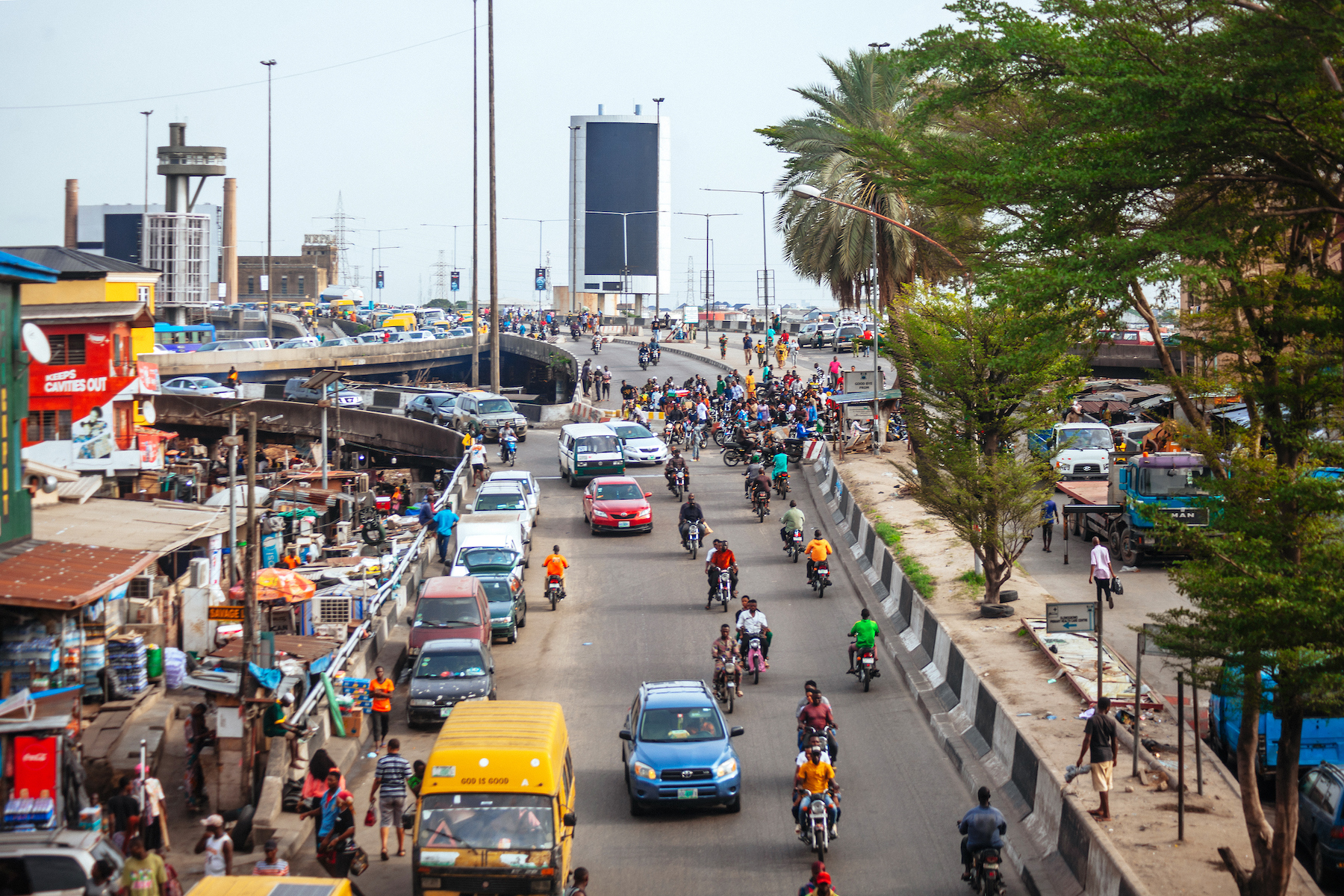
In addition, global population growth’s contribution to fossil fuel emissions now through 2050 is largely baked in, as two-thirds of today’s continued population growth is driven by historical momentum—past population growth is fueling today’s increases. This momentum means that the climate-driven changes we’re currently experiencing and those that will occur over the next 30 years are the result of past demographic effects.
Climate Adaptation Planning Must Include Population: Reframing and Revitalizing the “P” in PHE
However, the complex role population plays in climate change doesn’t mean we should overlook the “P” in PHE, especially its role in adaptation and resilience responses as climate change radically reshapes our world. Understanding the complex relationship between people and their environment—including how climate change will contribute to human mobility, urbanization, and inequality―is an essential element of climate adaptation and response.
According to the International Organization for Migration, 21.6 million people were internally displaced in the last decade by climate-related hazards, with predictions of more than 200 million people—equivalent to the total population of Western Europe—forced to migrate within their own countries by 2050 due to the direct and cascading effects of climate change.
Researchers and policymakers around the world are increasingly attentive to human mobility directly or indirectly driven by climate change. While crafting research and policy agendas to plan for migrating or displaced populations, we must also be alert to the needs of so-called trapped populations who are unable to move out of harm’s way or choose to remain despite challenges. These populations are often left out of estimates of climate impact, with little data to highlight gender implications for populations who migrate and those who stay in place.
In times of uncertainty, cities are often the locus of internal mobility. The movement of populations both in and out of urban areas, particularly when crises occur, places growing emphasis on cities as important centers of climate response and resilience, especially as urban development emphasizes climate-resilient infrastructure and planning.
Disaggregated Population Data Improves Climate Risk Management
Population data—disaggregated by factors such as age, sex, and other social characteristics—can inform analyses of climate vulnerability, supporting decisionmakers to strengthen disaster risk response and plan for climate adaptation. Governments can utilize population data geospatially mapped against expected changes in natural resources, climate variability, or expected migration flows when developing scenarios to prepare essential systems like health care and education to adapt to changes.
These approaches to climate risk management must fully incorporate context-specific data on social drivers of vulnerability, such as gender inequality, income, or migrant status, that can compound climate-related risk.
Community Resilience Is Built on Agency for Women and Girls
The ripple effects of climate change, like other crises, have a disproportionate impact on the wellbeing of women and girls, as ample evidence demonstrates. These effects can include negative impacts on gender norms and increases to gender-based violence, especially during acute crises, where women are 14 times more likely to suffer violence. In addition, climate change can compound barriers to women’s agency through disproportionate disruptions in girls’ education, leading to increased dropout rates and limited long-term opportunities.

Women and girls are also more likely to experience interruptions to their livelihoods and displacement due to climate change. When this occurs, they are at risk of exploitation and climate-induced poverty. Poverty related to climate effects can raise women’s and girls’ time spent on and risks involved in unpaid care and household domestic work, such as collecting water or firewood. These effects limit their access to other economic opportunities.
Women Are Key Actors in Community-Led Responses to Crises
Even as they bear disproportionate consequences from climate change’s effects, women are often frontline actors in community-led responses and serve as drivers of resilience when climate crises occur.
When a community faces instability or unexpected changes, its ability to adapt lies within the agency and opportunities available to each member, and women’s leadership is key. Individuals can best respond to changing circumstances when they have the flexibility to control their futures through:
- Access to essential health care, especially family planning and reproductive health.
- Educational opportunities.
- Avenues for leadership.
- Access to the levers of community power such as land ownership, adaptation solutions such as crop insurance, and climate-resilient agricultural practices.
- The ability to build financial and social capital.
Reducing Inequality Has Benefits for Climate Adaptation and Beyond
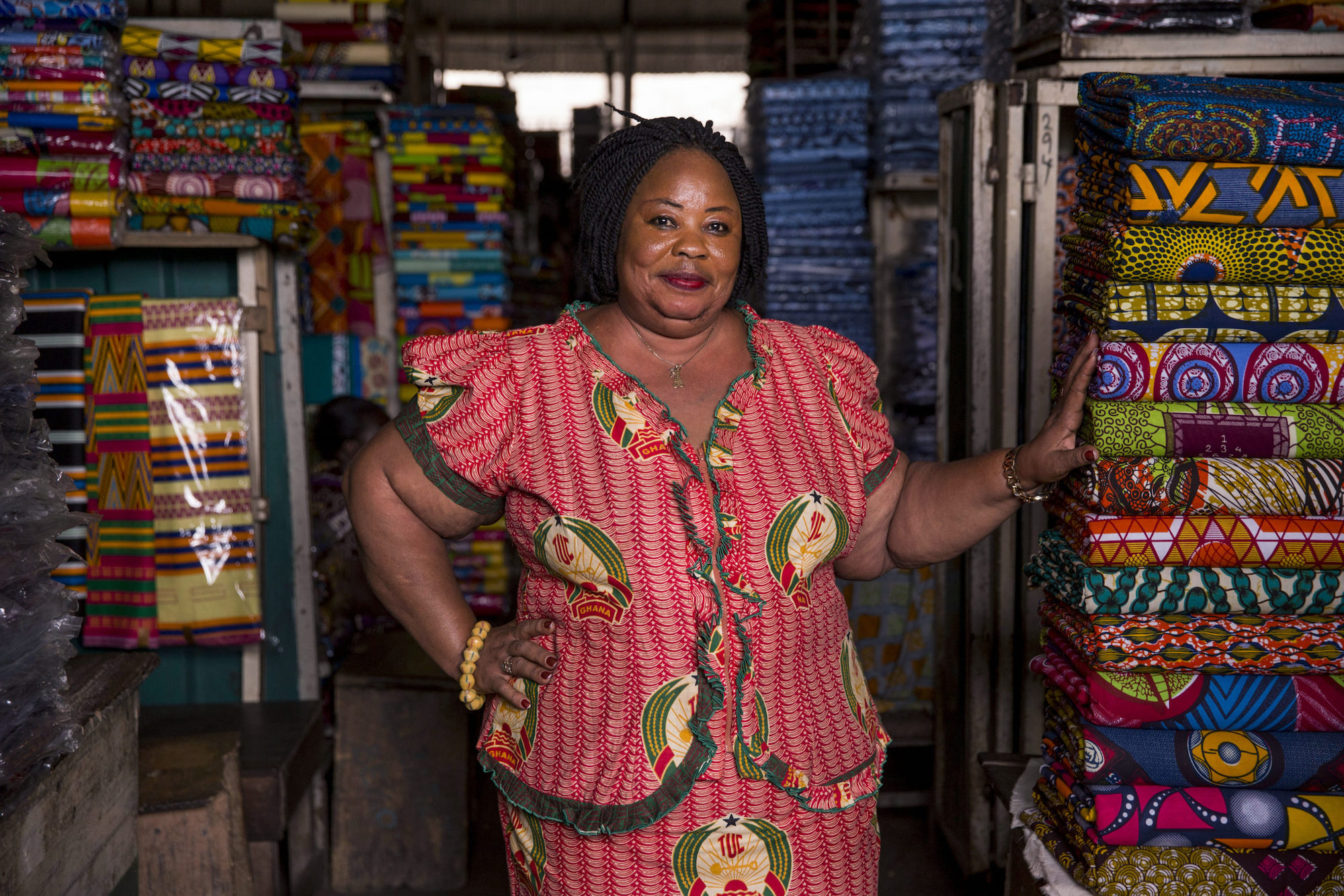
Investing in women and youth reduces root causes of inequality and poverty. When opportunities are more equal for all members of the community, women and youth have the potential to gain life skills in green jobs and emerge as the next generation of climate leaders. When barriers to these paths to agency are reduced—when every member in the community can take action toward their goals without fear of violence or retribution—communities are more resilient when shocks inevitably occur. Agency, autonomy, and rights are the first links in the chain of a virtuous cycle.
Over the long term, expanded pathways of individual choice and opportunity can contribute to economic and demographic transformations at the societal level that foster prosperity, creating conditions under which more people in the workforce and with more education contribute to a vibrant economy.
As population age structures mature in response to women’s and couples’ choices to have smaller families, the share of women and men in the formal workforce becomes more equitable. Women have more pathways to complete schooling, acquire marketable skills, and increase their earnings, improving their own well-being and that of their families.
The shifts toward economic gender parity underlying this demographic dividend have major benefits across sectors. Societies with improved health, education, and gender equity can contribute to low-carbon, sustainable economic growth while reducing poverty, further enhancing their ability to adapt to changing conditions.
Local Solutions Lead to More Equitable and Effective Adaptations to Climate Challenges
Local solutions that promote equity and community engagement through inclusive decision-making better reflect communities’ diverse needs, concerns, and aspirations in the face of climate challenges.
What climate change will look like for each community will vary greatly—some regions may experience heavy rainfall, while others face drought. Contextually relevant responses to climate risks must be developed, with solutions specific to cities and rural areas and the priorities of indigenous peoples. These solutions must be implemented with community priorities and governance at the forefront.
While the PHE approach has always been rooted in responding to local priorities, we can go farther to enhance sustainable mechanisms for accountability that ensure community needs are met.
If we are to achieve effective adaptation, we must be responsive to local needs rather than adhere strictly to internationally or even nationally determined priorities; we must equip communities to identify and advocate for the adaptation approaches that respond to their unique contexts. Innovative, decentralized mechanisms for allocating climate financing to local communities, such as those piloted by IED Afrique in Senegal and Mali, can help communities prepare to implement local climate solutions.
Learning From Local and Indigenous Knowledge for Climate Adaptation
Our societies are reinventing how to relate to nature as the environment around us begins to react in unpredictable ways. Immense creativity can be tapped in these climate adaptation solutions.
Rural and indigenous communities are often those most closely dependent on nature for survival, and they collectively manage one-quarter of the world’s lands. Just under half of the world’s population depends on rural livelihoods, especially in areas where government has limited capacity to provide essential services to its population. Considering the vast store of local and indigenous solutions—alongside scientific research and evidence—enriches our collective knowledge by elevating traditional and time-tested approaches to managing environmental change.
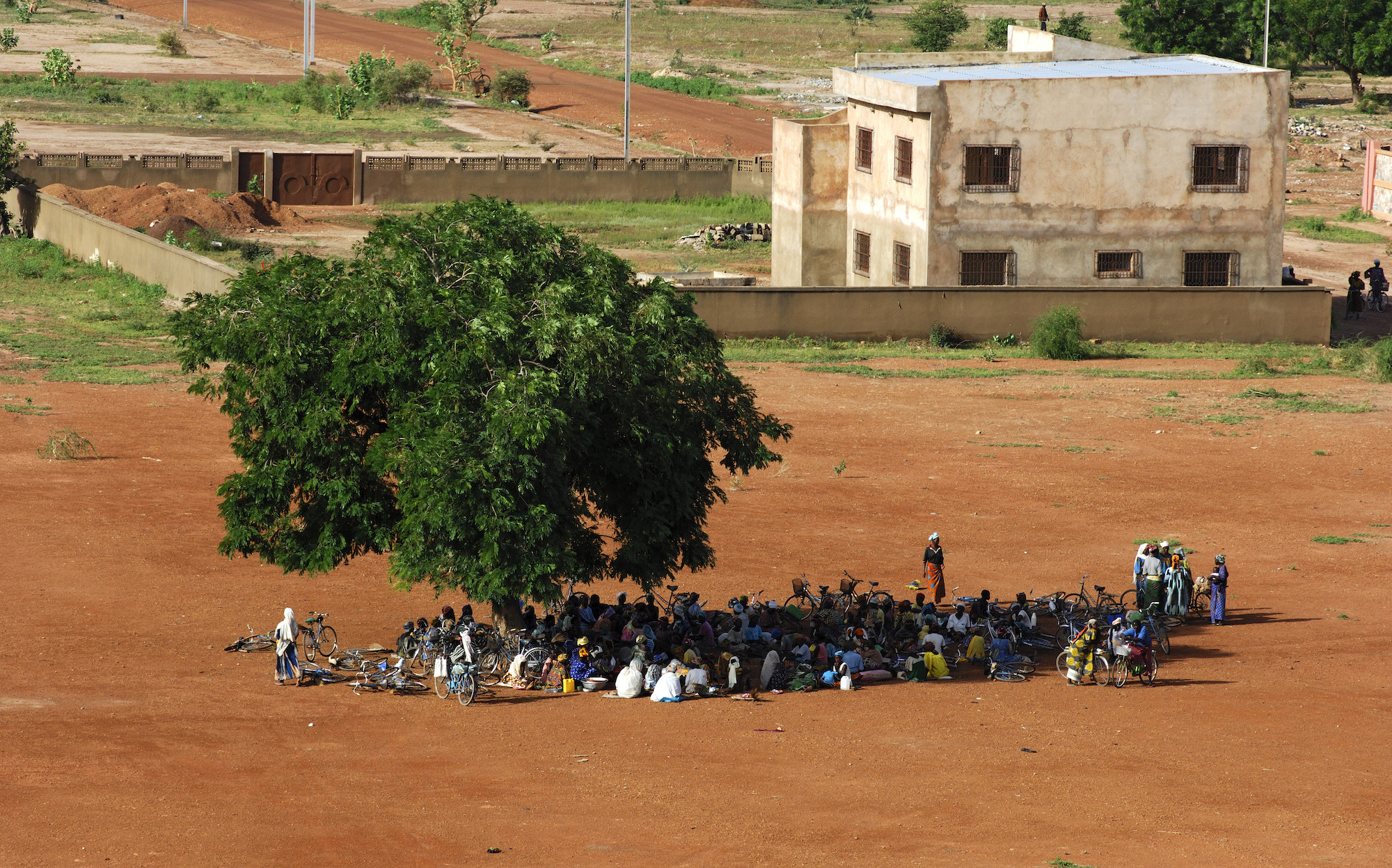
Integrating and valuing these various sources of knowledge not only enhances communities’ ability to respond to climate challenges but also promotes the preservation of traditional practices and cultural heritage in the face of change.
What Would a New Approach to Climate Resilience Mean for PHE Programming in Practice?
This blog outlined three foundational approaches that should guide future PHE investments.
Building on this foundation, part three of this blog series will present concrete recommendations for action at the intersection of population, gender, health, and the environment. In our fourth and final installment, we will present a case study of climate resilience built around this new approach.
Acknowledgments: At PRB, Kaitlyn Patierno, Program Director, served as a consultant on this piece, as did Elizabeth Leahy Madsen, Associate Vice President of International Programs. Robert Engelman, Senior Fellow at the Population Institute; Reinhard Bonke Nyandire, a biodiversity conservation and livelihoods consultant; and Jonas Mbwangue, Senior Economist consultant at the World Bank, also consulted on the article.
Photo credits in order of appearance: Amorn Suriyan/iStock/Getty Images Plus, via Getty Images; peeterv/iStock/Getty Images Plus, via Getty Images; Jonathan Torgovnik/Getty Images/Images of Empowerment; Mayur Kakade/Moment, via Getty Images; Guenter Fischer/imageBROKER, via Getty Images
Related Posts
Understanding and Comparing Population Projections in Sub-Saharan Africa
The release of a new set of population projections by the Institute for Health Metrics and Evaluation (IHME) in July 2020 was greeted with extensive coverage in the media and stimulated fresh debate among demographers about calculation and communication of projections.