Resource Collection: Elevating Unpaid Care Work as a Policy Priority in Francophone West and Central Africa
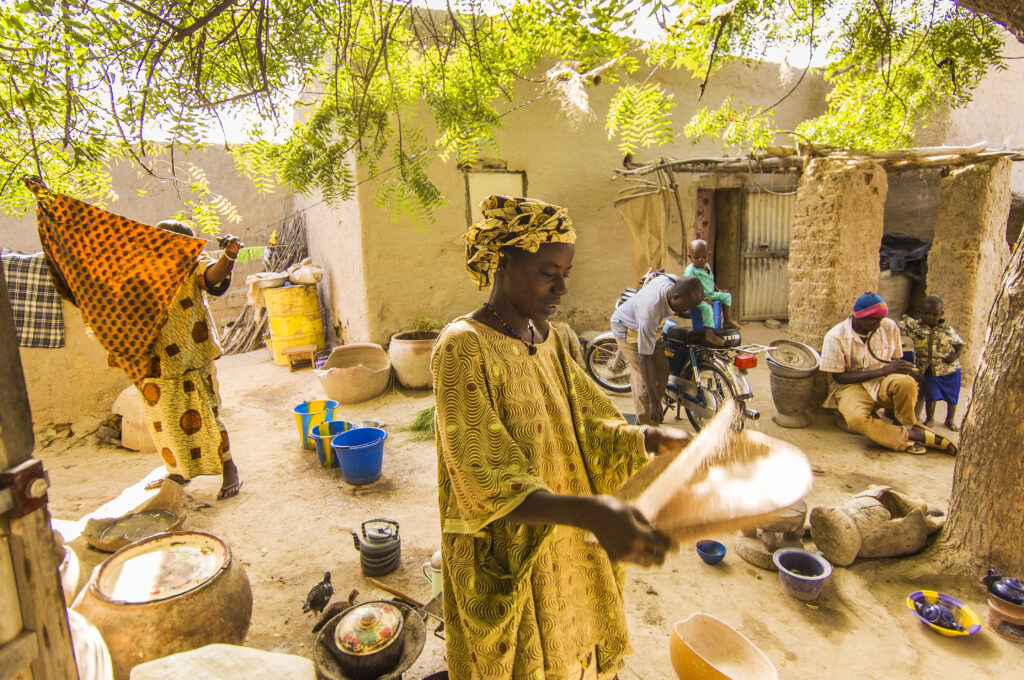
Care is fundamental to healthy societies, productive economies, and sustainable development. Yet much of the work that sustains children, older adults, people with disabilities, households, and communities remains unpaid, unmeasured, and largely invisible in public policy and investment decisions. Across Francophone West and Central Africa, demographic change—including rapid population growth, urbanization, and population aging—is reshaping the demand for and supply of care while highlighting the need for stronger care systems. This presents an opportunity to integrate care into economic policymaking, demographic dividend strategies, and public investment.
This resource collection centers on PRB’s report, Elevating Unpaid Care Work as a Policy Priority in Francophone West and Central Africa, together with audience-specific policy briefs that translate its findings into practical guidance for parliamentarians, technical ministries, researchers and statistical institutions, donors, civil society organizations, local governments, and media. Together, these resources demonstrate why recognizing, reducing, and redistributing unpaid care work is essential for advancing gender equality, strengthening human capital, and promoting inclusive economic growth. All resources in this collection are available in both English and French.
Featured Report
Elevating Unpaid Care Work as a Policy Priority in Francophone West and Central Africa
Provides an evidence-based analysis of how unpaid care work shapes human capital, gender equality, labor markets, and the region’s ability to harness the demographic dividend. Drawing on demographic trends, economic analysis, and policy evidence, the report examines the structural drivers of unpaid care work, analyzes emerging pressures on care systems, and identifies policy actions to strengthen care systems and integrate care into economic and demographic planning.
Policy Briefs
Parliamentarians: Parliament’s Role in Responding to Demographic and Development Challenges
Explains how legislation, budgeting, and oversight can strengthen care systems and support long-term development.
Technical Ministries: Making Better Planning Decisions in a Changing Demographic Context
Shows how ministries can incorporate care evidence into planning, budgeting, and investment decisions.
Researchers and Statistical Institutions: Research, Data, and Policy: Making Care Visible in Public Decisions
Explains why measuring unpaid care work is essential for stronger statistics, better evidence, and more effective policymaking.
Donors: Closing a Systemic Blind Spot: Why Donors Are Strategic Actors in Strengthening Care Systems
Highlights how development partners can strengthen care systems while increasing the impact of their investments.
Civil Society Organizations: Making Care Systems Visible: The Role of Civil Society in Accountability and Development
Shows how advocacy, accountability, and community engagement can make care a public policy priority.
Local Governments: Why Local Governments Matter for Care, Productivity, and Inclusion
Explains how local services and infrastructure shape care responsibilities, economic participation, and community well-being.
Media: From Data to Public Debate: The Role of Media in Shaping Care Narratives
Provides guidance for reporting on care as an economic, demographic, and development issue.
Related Posts
Collaborating for Action on the Future of Demographic and Health Surveys Meeting Report
This convening held on May 7-8, 2025, brought together key stakeholders—including leaders from National Statistical Offices, donor organizations, partner organizations, and data user groups—to identify opportunities and priorities for collaboration to protect current data and preserve ongoing data collection activities.
2022 PRB Annual Report
2022 Annual Report

Appalachia Data Report Identifies Economic Gains, Key Gaps Heading Into COVID Pandemic
Longstanding vulnerabilities suggest some groups in the Appalachian Region are at risk for greater hardship during the pandemic.

Appalachia’s Strengths and Vulnerabilities Before COVID Pandemic: Report Offers Benchmark
Longstanding vulnerabilities suggest that some groups in Appalachia risk greater hardship related to the COVID-19 pandemic.

Toll of Recent Recession Still Evident in Appalachia, PRB Report Shows
This report compares newly released American Community Survey data for 2010-2014 to 2005-2009 to show trends in income, employment, and other indicators at the regional, subregional, and county levels.