
2022 PRB Annual Report

Letter from the CEO
Informing a Smarter World / Shaping Change for Good
Navigating through Fiscal Year 2022 was an experience in responding to and shaping change: We successfully completed several long-time projects at Population Reference Bureau (PRB), expanded our operations in West Africa, broadened our areas of focus to include self-care and climate adaptation, and began developing a new strategic plan to guide us through the coming years.
Yet for all the change, some things remained constant: Every day, in every PRB office around the world—in Kenya, Senegal, and the United States—our staff continued to work intentionally to bolster people’s and organizations’ capacity to use population data in ways that will advance critical issues like equality, equity, and reproductive health.
For nearly 100 years, PRB has analyzed data, translated research, and shared information widely so it reaches audiences ranging from government officials to researchers, media, advocates, and the public. This work has made a difference in 2022: We developed a new definition of respectful care in reproductive, maternal, newborn, child, and adolescent health. U.S. policymakers are relying on our report about preserving and enhancing the American Community Survey. And our ongoing support to local partners’ research and communication priorities has led to our policy communication training program being embedded in the curricula of five research institutions and universities based in East and West Africa.
This FY22 annual report shares snapshots of some of our activities over the past year, who we worked with, and how our combined efforts came together to make a difference in people’s lives. The voices in this report show that, through all the changes we experience, it’s the relationships we build along the way that allow us to move forward, confident that our actions help ensure good data lead to good decisions that improve lives around the world.

Jeff Jordan, CEO and President
PRB analyzes population data and ensures the research and its applications are understood and used widely by decisionmakers, advocates, and media. Our ability to both assess and easily communicate critical issues about topics like aging, gender equality, and sexual and reproductive health and rights makes us a valued partner and resource for those working at all levels and in all areas of the world, from the United States to Malawi to Bangladesh.
In 2022, we worked with new and long-time partners like the Appalachian Regional Commission, l’Ecole Supérieure de Journalisme des Métiers de l’Internet et de la Communication, Green Girls Platform, the MacArthur Foundation, the U.S. Census Bureau, and the Youth Alliance for Reproductive Health to communicate, convene, and share skills that get evidence-based information into the hands of decisionmakers in government, the private sector, and civil society who can put it to use creating positive change.
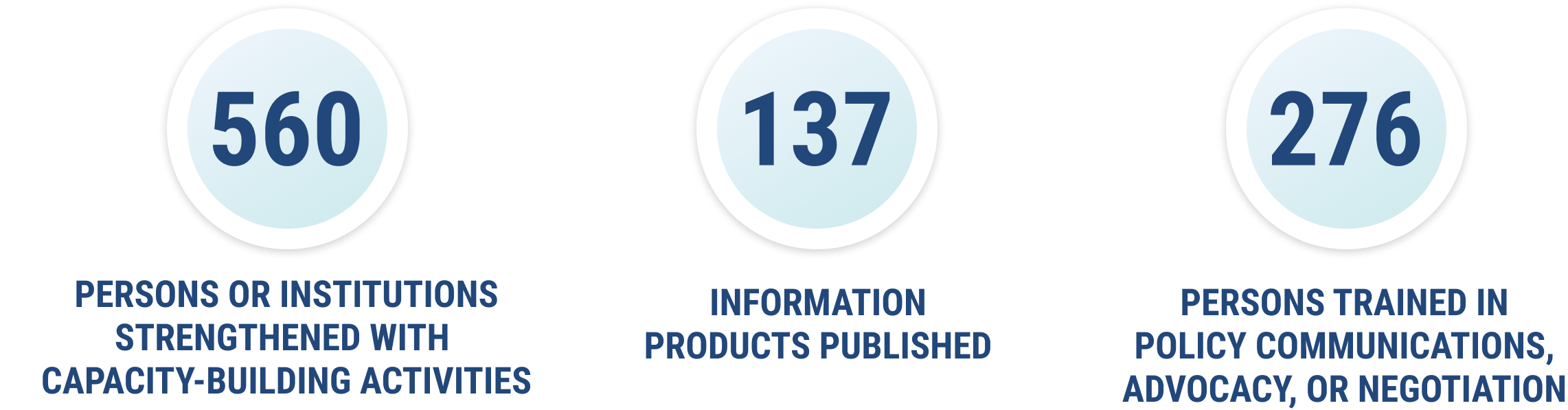
We believe that the most powerful solutions occur when we collaborate with and learn from one another.

SHAPING CHANGE—TOGETHER—FOR GOOD
For decades, PRB has worked collaboratively with local organizations and partners so community members lead, set priorities, and identify solutions that are grounded in local realities. The work we do is often out of the spotlight.
The technical assistance and communications support we provide to data users, journalists, policymakers, youth advocates, and others in places like Appalachia, California, Democratic Republic of the Congo, Kenya, and Uganda doesn’t make us the center of attention—and that’s how we want it. As our Africa Director, Aïssata Fall, said about our work on the SAFE ENGAGE project, “We [try] to break the mold. It’s not about us having the funding, it’s about the principle and the commitment to partnership.”

Empowering Evidence-Driven Advocacy (EEDA)
Bill & Melinda Gates Foundation
From 2017 to 2022, the EEDA project partnered with youth and civil society leaders working on family planning and sexual and reproductive health and rights in Africa and Asia. Together with these partners, EEDA developed tailored, data-driven advocacy strategies and communications materials to increase policy knowledge, strengthen commitment to implementation, increase funding for existing policies, and reinforce systems for promoting accountability. EEDA’s partners continue to make change happen in their communities.

Policy, Advocacy, and Communication Enhanced for Population and Reproductive Health (PACE)
United States Agency for International Development
For seven years, the PACE project worked together with local partners to build champions, bridge sectors, and distill evidence to ensure that family planning, reproductive health, and population issues are recognized as key to sustainable and equitable economic growth and development across Africa and Asia. The project ended in 2022, but its focus on connecting with local institutions and intentional shifting of program leadership to local partners ensures its aims and work continue.

“From the start of our partnership with PACE till now, we are treated as experts who bring much experience to the table and [are] trusted to lead programs with adequate and timely resources. We have played central roles in decision-making throughout…. This has resulted in BCAI’s exponential growth and expertise.”
—Sani Muhammad, Executive Director, Bridge Connect Africa Initiative (BCAI)“[PACE] taught me how to use multimedia to advocate for issues on reproductive health and population and how to be concise and get the outcome required from policy advocacy campaigns.”—Joy Munthali, Executive Director, Green Girls Platform, Malawi
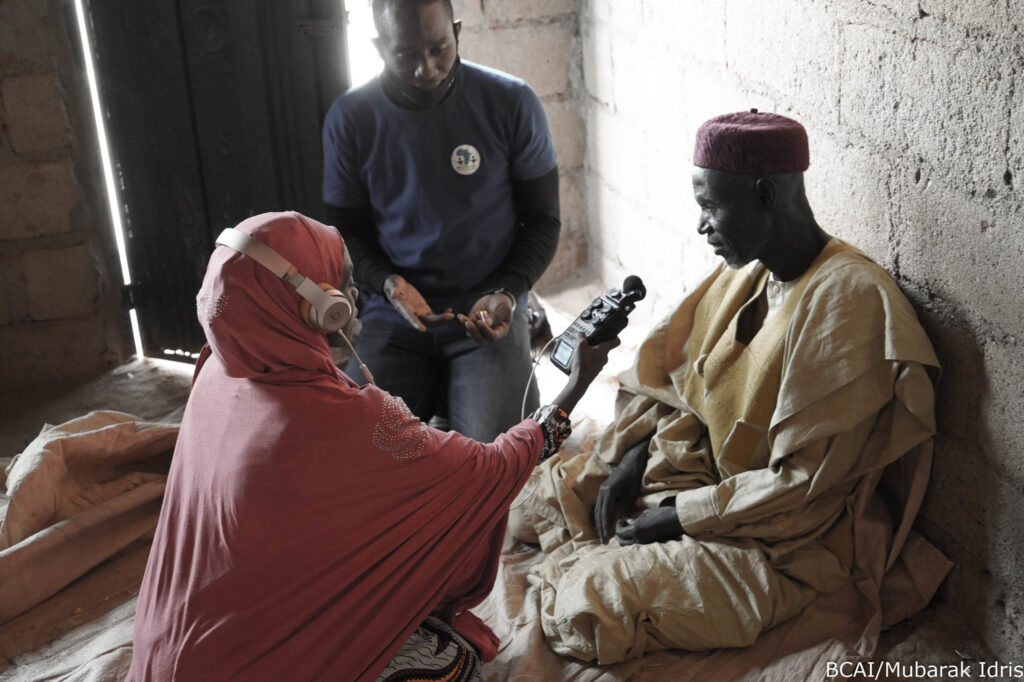
Strengthening Evidence-Based Policy to Expand Access to Safe Abortion (SAFE ENGAGE)
Anonymous donor
For five years, the SAFE ENGAGE project created spaces for dialogue and collaboration among different stakeholders as they worked together to develop strategic messages aimed at improving access to safe abortion, strengthen the capacity of advocates to achieve policy goals, and work with journalists to improve evidence-based reporting. The project’s approach brought together partners from Anglophone and Francophone countries, creating connections that will endure long after the project’s end in FY22.

In the United States, much of the policymaking around population health resides with states and localities. The decentralized nature of decision-making means that, to be effective, research and policy must focus on the communities they serve. PRB’s U.S. Programs staff provide trainings and resources to local leaders around the country to help them find the data they need on population, housing, and health trends so they can understand and respond to their communities’ needs.
In California, we are a force behind the scenes, working as an intermediary between data producers like the U.S. Census Bureau and the California Department of Education. We do the heavy lifting to make data and trends accessible across more than 1,000 indicators so that county program staff, journalists, advocates, and policymakers can spend their limited time and resources focusing on policy and program change instead of looking for the right data.
KidsData
Lucille Packard Foundation for Children’s Health, California Department of Public Health, and Donations from data users
The KidsData program promotes the health and well-being of children in California by providing an easy-to-use resource that offers high-quality, wide-ranging, local data to those who work on behalf of children in a way that is accessible to policymakers, service providers, grant seekers, media, parents, and others who influence children’s lives.

SHARING THE EVIDENCE
PRB information products in 2022 included blogs, briefs, fact sheets, reports, videos, and websites on topics like children’s well-being, family planning and reproductive health, equity, and the challenge of misinformation in today’s world. We’ve curated a sampling for you to explore.
Children’s Well-Being
Family Experiences During the COVID-19 Pandemic
Equity in Data and Health
Black Women Over Three Times More Likely to Die in Pregnancy, Postpartum Than White Women
Building Up Communities by Breaking Down Data
Dying Young in the United States
Rising Obesity in an Aging America: Policy and Program Implications
Family Planning and Reproductive Health Care
The Democratic Republic of the Congo Leads the Way on Abortion Access
The Future of Family Planning in Africa
Resilient Future: Climate Financing Strategies for Family Planning Programs
Youth Family Planning Policy Scorecard
2022 World Population Data Sheet
Misinformation
Data and Demagoguery: Human Rights and Development in the Disinformation Age
Our Projects
American Community Survey and Decennial Census Support Services
PRB has been a long-term partner to the U.S.
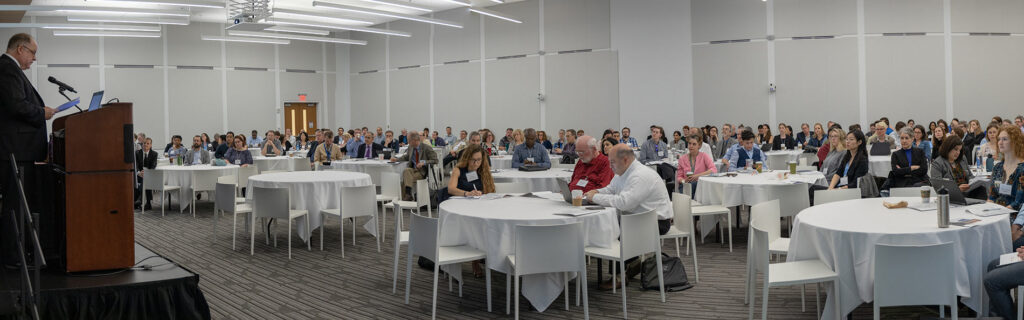
MOMENTUM Knowledge Accelerator
Supporting improvements in voluntary family planning and reproductive health activities, including their integration with maternal and child health programs.
SUPPORTERS, PARTNERS, AND CONTRIBUTORS
We appreciate the organizations and individuals whose generous support makes our work possible. Thank you.
u003culu003eu003cliu003eAnnie E. Casey Foundationu003c/liu003eu003cliu003eAppalachian Regional Commissionu003c/liu003eu003cliu003eAssociation of Monterey Bay Area Governmentsu003c/liu003eu003cliu003eAssociation of Public Data Usersu003c/liu003eu003cliu003eBill u0026amp; Melinda Gates Foundationu003c/liu003eu003cliu003eCalifornia Department of Public Health Injury and Violence Prevention Branchu003c/liu003eu003cliu003eConsortium Regional pour la Recherche en Economie Générationnelleu003c/liu003eu003cliu003eEducation Sub-Saharan Africau003c/liu003eu003cliu003eu003cemu003eEunice Kennedy Shriveru003c/emu003e National Institute of Child Health and Human Developmentu003c/liu003eu003cliu003eForeign, Commonwealth u0026amp; Development Officeu003c/liu003eu003cliu003eGeorgetown University-Institute for Reproductive Healthu003c/liu003eu003cliu003eHubert H. Humphrey Fellowship Program, Emory University, Rollins School of Public Healthu003c/liu003eu003cliu003eJohn D. and Catherine T. MacArthur Foundationu003c/liu003eu003cliu003eLucile Packard Foundation for Children’s Healthu003c/liu003eu003cliu003eLVCT Healthu003c/liu003eu003cliu003eCoordinating Center for the Centers on the Demography and Economics of Aging, University of Michiganu003c/liu003eu003cliu003eNew Venture Fundu003c/liu003eu003cliu003eNORC at the University of Chicagou003c/liu003eu003cliu003eThe Palladium Groupu003c/liu003eu003cliu003ePopulation Councilu003c/liu003eu003cliu003eSan Benito Council of County Governmentsu003c/liu003eu003cliu003eThe San Diego Association of Governmentsu003c/liu003eu003cliu003eSouthern California Association of Governmentsu003c/liu003eu003cliu003eUnidosUSu003c/liu003eu003cliu003eUnited States Agency for International Developmentu003c/liu003eu003cliu003eUnited States Census Bureauu003c/liu003eu003cliu003eUniversity of Utahu003c/liu003eu003cliu003eWilliam and Flora Hewlett Foundationu003c/liu003eu003c/ulu003e
u003cpu003ePRB worked together with 48 organizations in 2022.u003c/pu003eu003culu003eu003cliu003eAfrican Institute for Development Policy (AFIDEP)u003c/liu003eu003cliu003eAfrican Population u0026amp; Health Research Centre (APHRC)u003c/liu003eu003cliu003eAssociation des Journalistes et Communicateurs en Population et Developpementu003c/liu003eu003cliu003eAlliance Nationale des Jeunes pour la Santé de la Reproduction et la Planification Familiale (ANJSR/PF)u003c/liu003eu003cliu003eAmref Health Africa (Amref)u003c/liu003eu003cliu003eAssociation Burkinabé pour le Bien-Etre Familial (ABBEF)u003c/liu003eu003cliu003eAssociation des Gestionnaires pour le Développement (AGD)u003c/liu003eu003cliu003eAvenir Healthu003c/liu003eu003cliu003eBreak-Free From Plastic Initiativeu003c/liu003eu003cliu003eBridge Connect Africa Initiative (BCAI)u003c/liu003eu003cliu003eCadres des Religieux pour la Santé et le Développement (CRSD)u003c/liu003eu003cliu003eCollege of Medicine, University of Ibadanu003c/liu003eu003cliu003eCommunity Safety Initiative Kenya (CSI Kenya)u003c/liu003eu003cliu003eConseil pour la Défense Environnementale par la Légalité et la Traçabilité, en abrégé (CODELT)u003c/liu003eu003cliu003eConsortium Regional pour la Recherche en Economie Générationnelle (CREG)u003c/liu003eu003cliu003eDeveloping Radio Partnersu003c/liu003eu003cliu003eDigital Data System for Development (DDSD)u003c/liu003eu003cliu003eEcole Supérieure de Journalisme, des Métiers de l’internet et de la Communication (E-jicom)u003c/liu003eu003cliu003eEngenderHealthu003c/liu003eu003cliu003eGreen Girls Platformu003c/liu003eu003cliu003eInnovations Environnement Développement en Afrique (IED Afrique)u003c/liu003eu003cliu003eInstitut de Formation et de recherche Demographiques (IFORD)u003c/liu003eu003cliu003eInstitut Supérieur des Sciences de la Population (ISSP)u003c/liu003eu003cliu003eInternational Youth Alliance for Family Planning (IYAFP)u003c/liu003eu003cliu003eJimma Universityu003c/liu003eu003cliu003eJSI Research u0026amp; Training Institute Inc. (JSI)u003c/liu003eu003cliu003eKenya AIDS NGOs Consortium (KANCO)u003c/liu003eu003cliu003eLinda Arts Organizationu003c/liu003eu003cliu003eNational Center for Health Statistics (NCHS)u003c/liu003eu003cliu003eNational Population Council Uganda (NPC Uganda)u003c/liu003eu003cliu003eNovel Association for Youth Advocacy (NAYA)u003c/liu003eu003cliu003eOpen Development, LLCu003c/liu003eu003cliu003eOrganization of African Youthu003c/liu003eu003cliu003ePalladium International, LLC (Palladium)u003c/liu003eu003cliu003ePhilippine Business for Social Progress, Inc. (PBSP)u003c/liu003eu003cliu003ePresident and Fellows of Harvard College, Ariadne Labs (Ariadne Labs)u003c/liu003eu003cliu003eReach A Hand Uganda (RAHU)u003c/liu003eu003cliu003eSERAC-Bangladeshu003c/liu003eu003cliu003eSolarkiosk Solutions GmbH (Solarkiosk)u003c/liu003eu003cliu003eThe Medical Concierge Group (TMCG)u003c/liu003eu003cliu003eThe Nature Conservancyu003c/liu003eu003cliu003eThe Regents of the University of California, Berkeley Campus (UC Berkeley)u003c/liu003eu003cliu003eVisible Impactu003c/liu003eu003cliu003eWorld Reliefu003c/liu003eu003cliu003eWorld Vision, Inc.u003c/liu003eu003cliu003eYouth Alliance for Reproductive Health-DRC (YARH-DRC)u003c/liu003eu003cliu003eYUWAu003c/liu003eu003cliu003eZenysis Technologies (Zenysis)u003c/liu003eu003c/ulu003e
u003cpu003eThrough their generous contributions, the individuals listed here allowed PRB to fund essential program expansion and organizational innovations during the fiscal year ending Sept. 30, 2022.u003c/pu003eu003culu003eu003cliu003eJacob Adetunjiu003c/liu003eu003cliu003eGeorge Ainslieu003c/liu003eu003cliu003eAdrienne Allisonu003c/liu003eu003cliu003eAmazon Smile Foundationu003c/liu003eu003cliu003eNancy Andrewsu003c/liu003eu003cliu003eAnonymousu003c/liu003eu003cliu003eLeslie Aunu003c/liu003eu003cliu003eAlaka Basuu003c/liu003eu003cliu003eFrederick L. Beinu003c/liu003eu003cliu003eThe Benevity Community Impact Fundu003c/liu003eu003cliu003eUlf Bergstrandu003c/liu003eu003cliu003eSue Blacku003c/liu003eu003cliu003eNancy Blissu003c/liu003eu003cliu003eRobyn Blumneru003c/liu003eu003cliu003eDoug Bradhamu003c/liu003eu003cliu003eBright Fundsu003c/liu003eu003cliu003eWarren Y. Brockelmanu003c/liu003eu003cliu003ePhyllis Burdetteu003c/liu003eu003cliu003eWilliam P. Butzu003c/liu003eu003cliu003eDan Carriganu003c/liu003eu003cliu003eJames R. Carteru003c/liu003eu003cliu003eJulie Caswellu003c/liu003eu003cliu003eAlexandre Checchiu003c/liu003eu003cliu003eJoel Cohenu003c/liu003eu003cliu003eCynthia Cooku003c/liu003eu003cliu003eFrances Craigu003c/liu003eu003cliu003eRobert Crosnoeu003c/liu003eu003cliu003eXu Cuiu003c/liu003eu003cliu003eCurtis Cummingsu003c/liu003eu003cliu003eGeoffrey Dabelkou003c/liu003eu003cliu003ePhilip Darneyu003c/liu003eu003cliu003eCharles N. Darrahu003c/liu003eu003cliu003eGouranga Dasvarmau003c/liu003eu003cliu003eMark Davisu003c/liu003eu003cliu003eRonald Dearu003c/liu003eu003cliu003eViresh Desaiu003c/liu003eu003cliu003eCarol DeVitau003c/liu003eu003cliu003eThomas Dillonu003c/liu003eu003cliu003ePeter Donaldsonu003c/liu003eu003cliu003eMarriner Ecclesu003c/liu003eu003cliu003eEldon Engeru003c/liu003eu003cliu003eLaurence L. Falku003c/liu003eu003cliu003eLarry Feldpauschu003c/liu003eu003cliu003eDavid Finnu003c/liu003eu003cliu003eJohn J. Flynnu003c/liu003eu003cliu003eNeil Garrettu003c/liu003eu003cliu003eArmando Garsdu003c/liu003eu003cliu003eCampbell Gibsonu003c/liu003eu003cliu003eGive Lively Foundation, Inc.u003c/liu003eu003cliu003eAmy S. Glennu003c/liu003eu003cliu003eLinda W. Gordonu003c/liu003eu003cliu003eBill Gramsu003c/liu003eu003cliu003eEdward Guayu003c/liu003eu003cliu003eKenneth Haddocku003c/liu003eu003cliu003eStuart Harrisu003c/liu003eu003cliu003eMarty Harteu003c/liu003eu003cliu003eWilliam Hollingsworthu003c/liu003eu003cliu003ePieter Hooimeijeru003c/liu003eu003cliu003eRichard Hopeu003c/liu003eu003cliu003eEdwin W. and Janet G. Houseu003c/liu003eu003cliu003eSherry F. Huberu003c/liu003eu003cliu003eHoward M. Iamsu003c/liu003eu003cliu003eRobin Ikedau003c/liu003eu003cliu003eHenry Imusu003c/liu003eu003cliu003eEleanor Iselinu003c/liu003eu003cliu003eAmber Jacksonu003c/liu003eu003cliu003eJ. Timothy Johnsonu003c/liu003eu003cliu003eBrad Jokischu003c/liu003eu003cliu003eJeffrey Jordanu003c/liu003eu003cliu003eJoan R. Kahnu003c/liu003eu003cliu003eLes Kanatu003c/liu003eu003cliu003eRobert B. Kelmanu003c/liu003eu003cliu003eLawrence Kintischu003c/liu003eu003cliu003eMichael Kraftu003c/liu003eu003cliu003eWilliam Kurtzu003c/liu003eu003cliu003eWillie B. Lamouse-Smithu003c/liu003eu003cliu003eBrian Larsonu003c/liu003eu003cliu003eThomas LeGrandu003c/liu003eu003cliu003eJohn Lindneru003c/liu003eu003cliu003eMelissa Lizarragau003c/liu003eu003cliu003eTerri Ann Lowenthalu003c/liu003eu003cliu003eAndrew Lustigu003c/liu003eu003cliu003eDavid Lyonsu003c/liu003eu003cliu003eJennifer Madansu003c/liu003eu003cliu003eLiz Maguireu003c/liu003eu003cliu003eNancy Matuszaku003c/liu003eu003cliu003eJohn F. Mayu003c/liu003eu003cliu003eTom McCormacku003c/liu003eu003cliu003eBarbara McDade Gordonu003c/liu003eu003cliu003eMary McEniryu003c/liu003eu003cliu003eMichael and Raina McManusu003c/liu003eu003cliu003eNorman Meadowu003c/liu003eu003cliu003eD.J. Mellemau003c/liu003eu003cliu003eSara Melillou003c/liu003eu003cliu003eThomas W. Merricku003c/liu003eu003cliu003eFrank Millardu003c/liu003eu003cliu003eEugene Mulliganu003c/liu003eu003cliu003eCharles B. Namu003c/liu003eu003cliu003eNetwork for Goodu003c/liu003eu003cliu003eMargaret Neuseu003c/liu003eu003cliu003eAndy Neillu003c/liu003eu003cliu003eElias Nigemu003c/liu003eu003cliu003eLisa Palmeru003c/liu003eu003cliu003eJeffrey Passelu003c/liu003eu003cliu003eSandro Prudanciou003c/liu003eu003cliu003eDavid M. Radosevichu003c/liu003eu003cliu003eFrançois Ramadeu003c/liu003eu003cliu003eMichael Renglandu003c/liu003eu003cliu003eTeri Robersu003c/liu003eu003cliu003eIan R.H. Rockettu003c/liu003eu003cliu003eRicardo R. Rodriguizu003c/liu003eu003cliu003eJohn and Libby Rossu003c/liu003eu003cliu003eJames Rubensteinu003c/liu003eu003cliu003eRichard H. Sanderu003c/liu003eu003cliu003eAndreas Schleicheru003c/liu003eu003cliu003eElizabeth K. Schoeneckeru003c/liu003eu003cliu003eValdemar Schultzu003c/liu003eu003cliu003eLen Schwartsu003c/liu003eu003cliu003eMargaret Snowdenu003c/liu003eu003cliu003eJennifer Sciubbau003c/liu003eu003cliu003eClifford Selbyu003c/liu003eu003cliu003eKyler Sherman-Wilkinsu003c/liu003eu003cliu003eRhonda Smithu003c/liu003eu003cliu003eStanley Smithu003c/liu003eu003cliu003eDick Solomonu003c/liu003eu003cliu003eGary Steeleu003c/liu003eu003cliu003eLee and Byron Stookeyu003c/liu003eu003cliu003eBertram Striebu003c/liu003eu003cliu003eRam Subramaniamu003c/liu003eu003cliu003eTe Hsiung Sunu003c/liu003eu003cliu003eCalvin Gray Swicegoodu003c/liu003eu003cliu003eRobert Tagueu003c/liu003eu003cliu003eChris Tarpu003c/liu003eu003cliu003eJames W. Thompsonu003c/liu003eu003cliu003eRobert L. Thompsonu003c/liu003eu003cliu003eClifford Treeseu003c/liu003eu003cliu003eKatherine Trentu003c/liu003eu003cliu003eJoanna Umo-etuku003c/liu003eu003cliu003eAnthony Vadalau003c/liu003eu003cliu003eJ.W. Valentineu003c/liu003eu003cliu003eNoah Vallochu003c/liu003eu003cliu003ePietronella Van Den Oeveru003c/liu003eu003cliu003eAzucena Vicuñau003c/liu003eu003cliu003eMarianne Vigneaultu003c/liu003eu003cliu003eBonnie and Dirk Waltersu003c/liu003eu003cliu003eGeorge Weedu003c/liu003eu003cliu003eJohn Weeksu003c/liu003eu003cliu003eJesse Wellsu003c/liu003eu003cliu003eMichael Whiteu003c/liu003eu003cliu003eClarence J. Wurdocku003c/liu003eu003c/ulu003e
Related Posts
Webinar: Bridging Research and Policies: Enhancing Budgeting Processes for Africa's Demographic Dividend
PRB hosted a high-level webinar with budget experts, parliamentarians, and national directors to discuss the importance of the Demographic Dividend Sensitive Budgeting approach in enhancing budgeting processes across Africa.

Research Identifies New Strategies to Reduce Undercount of Young Children in U.S. 2020 Census
PRB identifies factors predicting where children under age 5 are more likely to be missed in the 2020 Census and develops a new undercount risk measure for young children.

Health Sector Reform: How It Affects Reproductive Health
(June 2003) Many less developed countries are reforming their health systems in an effort to achieve public health goals more affordably and effectively.
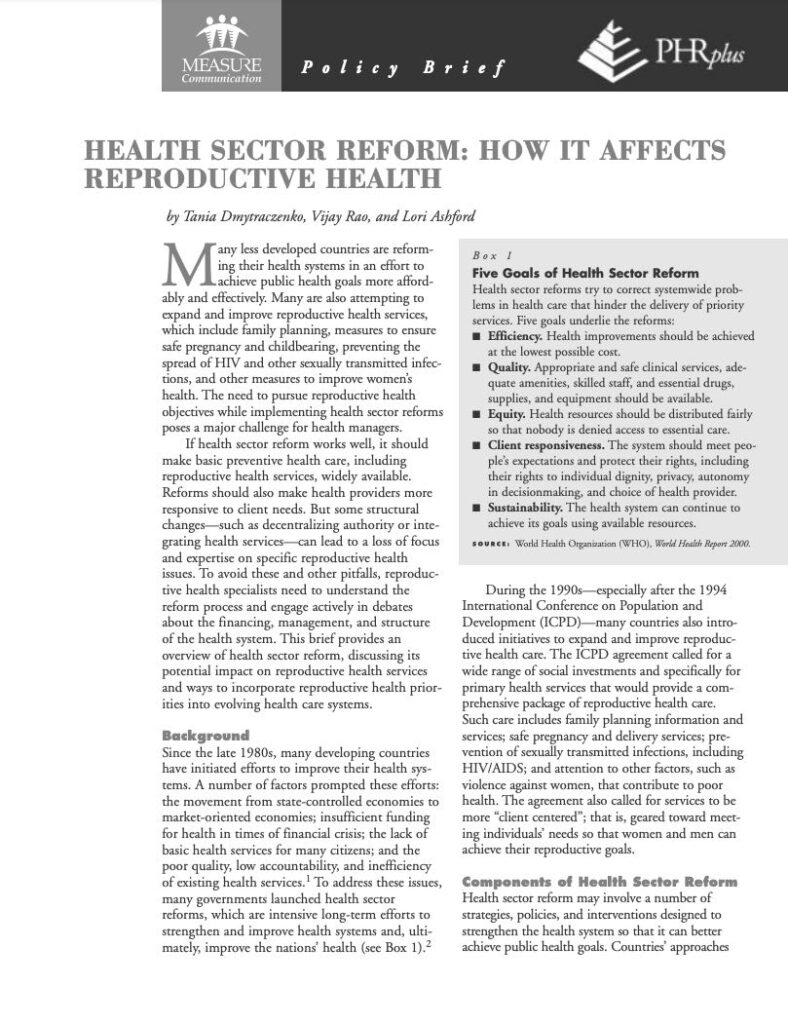
Report. Health Sector Reform: How It Affects Reproductive Health
This report also in French and Spanish. (June 2003) Many less developed countries are reforming their health systems in an effort to achieve public health goals more affordably and effectively.