PRB Header Image

2024 PRB ANNUAL REPORT

Letter from the CEO

The Voice for Data

In 2024, population aging and low fertility caught the world’s attention. Long predicted by demographers, these trends worked their way into the popular discourse—grabbing headlines, sparking debates, and filling PRB’s inboxes with questions from media, researchers, and the public.

These issues are complex, consequential, and real—yet, too often, they are reduced to alarmist coverage that obscures more than it reveals. At PRB, we believe that rigorous data and thoughtful analysis are essential to moving beyond headlines toward understanding and progress. Our mission—to use population data to help solve pressing societal challenges—has never been more critical.

To that end, we’re leaning into the evidence and making sure the insights they provide are widely—and freely—available, tempering those alarmist headlines with evidence-based context. It’s what we do so well here at PRB, and we know our work is vital to helping stakeholders understand many of the world’s most-pressing challenges.

Does every generation in the United States still do better than the last? What’s the economic value of unpaid care work? Is there really a population crisis because of low fertility? How can we prepare to meet the needs of aging populations? These are just some of the questions we addressed in Fiscal Year 2024.

Staff dug into the data and analyzed the impacts and implications of demographic changes in the United States and abroad. They also partnered with peers at organizations from around the world—from UNFPA Asia in Bangkok, Thailand, to the CREG Center in Theis, Senegal—to share findings with a global audience.

It was a year of speaking up and cutting through the noise with evidence. Every time. Accurate data and research are essential to our understanding of population dynamics and to crafting effective solutions to issues affecting people’s health and well-being.

My heartfelt thanks to all of you who supported our work this past year by attending a webinar, reading a report, sharing a post, funding a program, or donating a dollar. You helped us speak up as a voice for data in FY2024.

Sincerely,

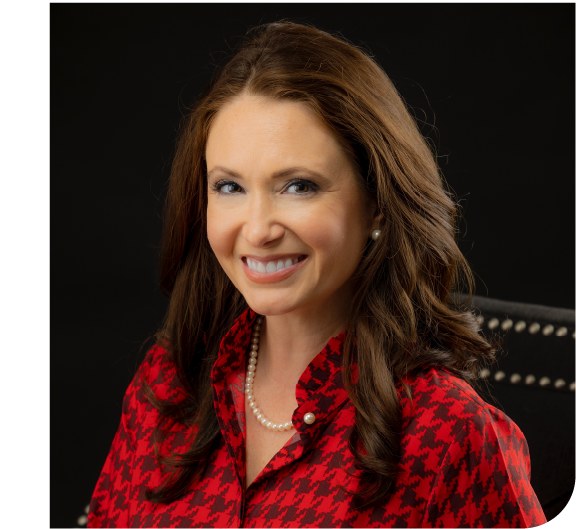
Jennifer D. Sciubba, P.h.D.,

President and CEO

Sign up for our newsletter

Subscribe

Support our work

Donate

What The Data Say

In the United States, the promise of each generation doing better than the last is broken

“A young woman in the U.S. today, between the ages of 25 and 34, is more likely to die than at any point since at least the 1960s,” reports Sara Srygley, research associate at PRB.

“We’ve seen that young women today are doing many of the things they’ve been promised would lead to a better life, and these are things that worked in the past,” Srygley says. “Yet our research shows that despite their best efforts, they still face very real challenges compared with previous generations in some of the most fundamental areas of life.”

PRB’s original analysis of young women’s well-being shows that Millennial women ages 25 to 34 are doing worse on critical health and safety measures than women of the same ages from the Generation X and the Baby Boom generations. Today’s young women are more likely to die from preventable causes, be murdered, or die by suicide. These risks are even more pronounced for pregnant women.

Why It Matters

A society is only as healthy its people are. Today’s young women face an uncertain future, marked by the erosion of rights and protections, complicated economic reality, and mental health tolls from the political, ecological, and social climates.

“How we address these threats to Millennial women’s well-being will set the stage for how Gen Z fares as they reach their young adulthood,” Srygley says.

How We Spoke Up

PRB’s “Losing More Ground” report drove dialogue with experts and the media on poor state of women’s well-being in the United States. The findings reached more than 3 million people across print and digital media platforms, including coverage by CNN, ABC News, Axios, and Forbes.


We also partnered with The Center for Law and Social Policy, Justice and Joy National Collaborative, and Young Invincibles for a public discussion of the implications and potential policy solutions that would drive better outcomes for young Americans.

“We need to go beyond meeting just basic needs and try to build a system of benefits that is designed for people to thrive and experience abundance,” says Cara Brumfield, then a director at The Center for Law and Social Policy.

You can read the full report or hear from experts about why our findings matter.


What The Data Say

Falling fertility and population aging challenge many countries’ resilience

“Since the 1960s, world population has more than doubled, but the growth rate has been falling the entire time,” says PRB’s Jennifer D. Sciubba in her TED Talk. “We’re witnessing the most fundamental shift to take place in modern human history.”

Two out of every three people in the world live somewhere with below replacement-level fertility (2.1 children per woman). From Canada to France to Japan to Türkiye, people are choosing to have fewer—or no—babies. And while fewer babies are being born, more people are living longer. China’s population aged 65 and older is expected to increase 85% by 2050.

Why It Matters

“A country like the United States with low fertility—a shrinking and aging population—has dramatic implications, affecting everything from the health care workforce to transportation infrastructure,” says Beth Jarosz, Senior Program Director at PRB.

“People are the foundation of a society,” adds Sciubba. “We’re the workers and the voters and the soldiers and the caregivers. So, how many of us there are and who we are, that matters. We’re on track for there to be more people over age 60 than under the age of 14 by the middle of this century.”

A large older adult population will likely face challenges with financial stability, health, and caregiving. If countries don’t adapt to meet this shift, their social and economic systems could become overloaded. Labor costs and inflation will increase, social security systems could go bankrupt, and older adults will face a greater risk of poverty. All of these factors will make it even more costly for people to have children. “The question many world leaders should now be asking is how to plan for the strain that an aging and shrinking society puts on the care economy and the workforce,” Sciubba says.

How We Spoke Up

We brought together nearly 500 people from across the globe and experts from the Peace Research Institute Oslo and Institute for the Future to discuss strategies for building a more resilient world in the face of population aging. Together with the UNFPA Asia and the Pacific Regional Office, we also briefed the media on demographic changes in the region and how policies can help support thriving aging populations. And we dug into the latest research on healthy aging to create a report, with funding from the Coordinating Center for the Centers on the Demography and Economics of Aging and Alzheimer’s Disease and Alzheimer’s Related Dementias, to highlight the importance of social connections in healthy longevity.

Rebecca Shamash of the Institute for the Future talked about how today’s technological boom could lead to massive productivity gains: “And if that was something that we could harness to really set ourselves up for this future world,…how could we use this technology to get us there a little bit faster, and to help us create more comfortable lives in the future?”

Check out the PRB x TED event, get highlights from the media briefing, or read more about social connections and aging.

What The Data Say

Primary health care is crucial for healthy aging—but half the world lacks access

“Primary health care helps people live longer, healthier lives, but nearly 50% of people in the world today can’t access quality care,” says Toshiko Kaneda, Technical Director of Demographic Research at PRB. “This is a serious challenge, and it will become bigger as the older adult population grows.”

When people can access quality primary health care at every stage of their life, they’re healthier longer. A healthier population can have a huge impact on maternal mortality and the burden of chronic diseases such as hypertension and diabetes that are commonly seen at older ages. It also lessens the demand for caregiving.

Why It Matters

Access to good primary health care is already difficult for people across the globe, particularly in low- and middle-income countries. Many governments don’t have sufficient resources to meet their populations’ basic health needs, and skilled health professionals are overworked due to staff shortages, impacting the quality of care.

“The current struggle to access quality health care, combined with the projected near doubling of the global share of the population ages 65 and older by 2050, means health system strains will intensify. If investments aren’t made to improve access to good primary health care, the situation will be much worse 25 years from now, and the demand for caregiving, both paid and unpaid, will skyrocket,” says Kaneda.

How We Spoke Up

We shined a spotlight on primary health care in the 2024 World Population Data Sheet, produced under the USAID-funded PROPEL Health project. This year’s Data Sheet featured 10 special indicators that reveal health spending per capita, use of family planning methods, health care workers per 10,000 population, and the Universal Health Care service coverage index for more than 200 countries and territories. We also created a media brief that journalists can use as a primer when reporting on the topic.

In 2024, over 1.3 million people accessed the World Population Data Sheet online, and 45,000 people downloaded the poster to use in classrooms  and workplaces. Users got an inside look at the strength of primary health care in their countries—and how it compares to the rest of the world.

“Health spending from all sources per capita (US$) is $1,260 for the world and $74 in India, the most populous nation in the world. How might low investment in health care across populous nations affect global priorities and change the ability of governments and multilateral organizations to respond to events such as pandemics, migration, and climate change?” we prompt in the media brief.

Explore the 2024 World Population Data Sheet or learn how to report on this topic.


Support PRB and the Data Sheet Today

What The Data Say

Globally, women shoulder the burden of unpaid care work—and it’s getting heavier

“Every adult has engaged in some form of care work,” says Cathryn Streifel, Senior Program Director at PRB. “But because of the differing expectations of roles for men and women, which inform how our societies are structured, most of it is done by women and is unpaid. Globally, women perform 76% of unpaid care work.”

Care work—the tasks involved in supporting others’ needs related to age, disability, or illness—is essential for human well-being, for societies to function, and for sustainable economic growth. Unpaid care work results from a lack of public investment in care services and infrastructure, and it comes with many costs, including substantial economic loss for uncompensated labor. Around the world, women regularly forfeit education and work opportunities to do the essential work of caring for children, older adults, and other family and kin.

Why It Matters

“Women in Francophone West and Central Africa do the majority of domestic work, also called family care, and it keeps them out of school and the formal workforce. Because this work is unpaid, it remains invisible in Gross Domestic Product and in analyses of economic progress,” says Aïssata Fall, Africa Director at PRB. “In Togo, unpaid domestic work represents an estimated US$2 billion in social capital. And 30% of this work is done by women.”

“The United States also faces a serious burden of unpaid care work,” adds Beth Jarosz, Senior Program Director at PRB. “And it can have significant negative economic consequences, especially when that work is unpaid or underpaid. Combined with complex social safety net programs, the caregiving burden can limit women’s career opportunities, reduce their earnings potential, and increase financial hardship for women and their families.”

How We Spoke Up

We collaborated with the CREG Center in Theis, Senegal, to develop a guidebook to support evidence-based discussions about unpaid care work with policy audiences in Francophone West and Central Africa. The real-world examples developed with local context provide a vital resource specifically for Francophone audiences. In the United States, we teamed up with Jessica Calarco, sociologist and author of Holding It Together: How Women Became America’s Safety Net, to discuss the issue in the United States with an expert panel including prominent advocates and researchers.

“[Y]ou can’t actually DIY society,” says Calarco. “Essentially forcing people to manage all that risk on their own has left many American families and communities teetering on the edge of collapse. And yet, … we haven’t collapsed in part because we have disproportionately women been the ones who are holding it together, filling in the gaps in our economy and the gaps in our threadbare social safety net.”

“It is not enough to simply recognize unpaid care work. It is crucial to understand its nature, scale, and age- and gender-related dynamics,” says Fall. “Without this understanding, there are risks of misdirecting public policy—or even reinforcing inequalities. Unpaid care work represents a major source of national wealth and well-being, yet it remains largely underestimated in current analytical frameworks.”

Explore the resource guide on unpaid care work, watch the webinar on America’s safety net, or visit the blog for webinar highlights.

What The Data Say

Needless deaths can be avoided with guidance for common childbirth  medications

“Postpartum hemorrhage is the leading cause of maternal mortality across the world, which is astonishing because it’s largely preventable,” says Megan Ivankovich, head of the USAID-funded MOMENTUM Knowledge Accelerator project at PRB. “More than 90% of these deaths occur to women in low- and middle-income countries.”

Postpartum hemorrhage occurs when the mother experiences blood loss of 500 milliliters or more within 24 hours after birth, according to the international definition. That’s more than 16 ounces, or over half a liter.  Each year, about 14 million women around the world suffer from postpartum hemorrhage—and 70,000 die.

Why It Matters

“Despite postpartum hemorrhage needlessly stealing mothers away from their families, there’s no consistent data collection on the condition. In fact, there’s a lot of disagreement about the factors involved, from the amount of blood loss to clinical signs and symptoms,” says Ivankovich. “We’re missing critical evidence that could save lives.”

The Sustainable Development Goals aim to reduce maternal mortality to 70 deaths per 100,000 live births by 2030, but 2023’s rate of 197 deaths starkly demonstrates that the world has a long way to go to reach this target. Around 70% of maternal deaths occurred in sub-Saharan Africa, and about 17% occurred in southern Asia, reports the World Health Organization.

How We Spoke Up

We organized a webinar and two studies under USAID MOMENTUM to share guidance and tools with officials in health care and government and other health practitioners on the use of medications that aid uterine contractions and reduce postpartum hemorrhage but can also harm mother and baby. PRB project staff shared research, tools, and learning with 233 participants from 64 low- and middle-income countries on how to safely use these medications, called uterotonics.

“The webinar [was] a practical session with evidence relevant to the settings in which I am operating, and the operational research can be adapted,” says one participant from Kenya Amref Health Africa. Another participant from Cambodia shares that they “could use [the information] as an up-to-date resource to support the Midwifery Curriculum update in Cambodia.”

Our activities helped inform the uterotonics agenda for India’s Ministry of Health and Family Welfare and the Federation of Obstetric and Gynecologic Societies of India, who are developing enhanced guidelines on uterotonic use.

Learn more about uterotonics.

What The Data Say

The U.S. workforce is shrinking, limiting businesses in all industries

“There are too few young Americans and future workers being born to replace retirees,” says Diana Elliott, PRB’s Senior Vice President of Programs.

The United States had 1.4 million fewer workers than jobs in 2024. The absence of so many people from the workforce significantly impacts tax structures, distribution of tax burden, ability to repay debt, and GDP, as well as population dynamics.

Why It Matters

The United States is confronting a demographic future of fewer workers while its population ages 65 and older grows rapidly. At the same time, changes in mortality and illness may be contributing to long-term labor force challenges. Policymakers can intervene to better engage workers who have been sidelined, such as people with disabilities and families with young children; support a wider variety of educational paths for employment; and evaluate wages and regulations.

“In the news, you may hear complaints about how young people aren’t working,” Elliott says. “In fact, there just aren’t as many young people to fill roles, which makes workforce training programs all the more important in the larger U.S. context.”

How We Spoke Up

We got together with the Critical Labor Coalition and former U.S. Secretary of Labor Alexander Acosta for an open exchange about what the latest workforce data mean and how they could be used to develop short- and long-term responses to meet the challenge—individuals from over 40 countries joined in to ask questions and share ideas. And we spoke with media like The New York Times about the demographic factors involved in the U.S. labor shortage.

“Do we really treat all tracks equally and say, is the goal a family-sustaining wage, or have we started biasing the conversation in favor of those that have our backgrounds?” asks Secretary Acosta. “All of us on this talk on this panel went to college … if you look at the labor force data, you see that the biggest declines are not among the college graduates, but among those that didn’t go to college. And what are we doing to address them?”

Listen to the conversation.

Your support today will strengthen our efforts to give a voice to data.

What The Data Say

Data that can’t be used or understood can’t aid in solution-making

“Accurate population data are critical for understanding our communities and planning for the future. So when decisionmakers can’t get the data they need, plans can miss the mark—with serious consequences,” says Mark Mather, Associate Vice President of U.S. Programs at PRB.

The U.S. Census Bureau collects and publishes vast amounts of data on the country’s population characteristics through the decennial census and the American Community Survey, but these raw data can be difficult to use. The Census Bureau also isn’t always informed on what data users need to know about the data to meet their communities’ needs.

Why It Matters

“If decisionmakers and planners can’t track social and economic change where they live—things like workforce development, health insurance coverage, and child poverty and well-being—they can’t support people as their needs change,” says Mather. “A strong data infrastructure is critical to sustaining a healthy society.”

Comprehensive population data can help data users and others in government, business, academia, and nonprofits better understand and support their communities.

How We Spoke Up

We teamed up with the U.S. Census Bureau and the Southern California Association of Governments to share resources, tools, and shortcuts with hundreds of data users across the United States. We met people in their communities, working with the University of Utah, Texas Demographic Center, the New York Law School, and the New York City Department of City Planning to host “ACS on the Road” events in Salt Lake City, Austin, and New York . With these tools at hand, they can more easily access and use U.S. population data in the American Community Survey (ACS) and better serve their communities’ needs.

“Are you finding that the data you need are not published in these estimates? … What do the data look like on a daily basis? And finally, with the tool or tools you are using, what limitations do you face accessing ACS data?” asks Mary Ana McKay, survey statistician in the American Community Survey Office. “These questions might have different answers depending on the day or the data you need.”

Which tool to use, she says, is “all about the best way to address your needs.”

Get tips on ACS data resources and discover data users’ needs.

What The Data Say

Data collection, analysis, and transparency bolster public resources and budgeting across Africa

“If countries are to make the most of their annual budgets, they need to have a clear understanding of how their investments performed in the past and of current and expected population needs. So, data collection, data analysis, and transparency of the budgeting process are key factors in developing effective public budgets,” says Reena Atuma, Activity Manager for this work at PRB.

Where these elements are lacking, the health of societies may suffer as some budgets fall short of demands, and services and infrastructure struggle to meet community needs. Researchers and decisionmakers may refer to analysis of past budget performance, tools for demographic dividend-sensitive budgeting, and census data to effectively support their communities.

Why It Matters

“The labor, time and cost required to conduct a population census and analyze the data are significant,” says Jennifer D. Sciubba, President of PRB. “When countries can’t complete the process, their policies and programs may not be as effective as they could be.”

Accurate and transparent data help countries track needs and decide where to direct limited resources for the greatest impact. Prof. Latif Dramani, President and Coordinator at the CREG Center, notes in our joint webinar that this often means prioritizing strategic investments in human capital—education and health—over the operational costs of government institutions.

Without proper analysis, countries may make more investments in sustaining governing structures rather than in developing economic ones. “So these countries cannot stand up on their own feet until they can really fix this issue and balance out the structure,” Prof. Dramani says.

How We Spoke Up

We collaborated with the Union for African Population Studies (UAPS) on a report that spotlights how researchers across Africa are using census data in development planning. We also worked closely with civil society organizations, local government officials, and others on subnational health financing challenges and solutions in Kenya. This financing work is part of a larger effort across the continent to boost the capacity of local civil society organizations to advocate for and ensure accountability in health financing.

Together with CREG, we brought experts, parliamentarians, and ministers together in West Africa to discuss tools that help countries harness the demographic dividend through budgeting. Our combined efforts opened high-level political dialogue between policymakers, ministry technical staff, and civil society on how age and sex shape people’s ability to fully participate in economic growth. This dialogue aligns with ongoing efforts to integrate unpaid care work into public policies.

“The [demographic dividend sensitive budgeting, BSDD] framework had influenced national strategies and opened dialogues between ministries, parliamentarians, and civil society,” says Astou Diouf, Director of Gender Equity in Senegal’s Ministry of Women, Family, Gender, and Child Protection. “These studies have enabled us to make recommendations to decisionmakers before the budgeting and point out priority for action.”

“[T]he results that have been shown by the scientific research show us that BSDD can really benefit us in taking advantage of the demographic dividend,” says Dr. Larba Issa Kobyagda, Director General of Economy and Planning, Ministry of Economy, Finance, and Development in Burkina Faso. “… [W]e must work so that the results of this research do not remain disconnected from policies, from politics.”

Explore how census data are used across Africa; hear more about budgeting processes for a demographic dividend; watch the webinar on strengthening budget systems in Africa; and read about domestic health financing in Kenya.

Explore More of PRB’s 2024 Work

The Future of Work

Webinar: Where Is the Workforce? Understanding the U.S. Labor Shortage and Working Toward Solutions

College Degrees Yield Lifetime Benefits for Disadvantaged Students

Population Dynamics and Planning

Five U.S. Facts and Trends in 2023 That You Should Know

Population Bulletin: Census Across Africa: Using Census Data for Policy and Planning

Should We Despair Over the Demographic Divide?

3 Bright Spots for Rural Appalachia—and 3 Struggles Compared to the Rest of Rural America

How Can Korea Respond to Its Population Crisis?

Who Are America’s Immigrants?

Strengthening Africa’s Budgeting Systems: PRB and CREG Take the Lead in Harnessing the Demographic Dividend

PRB Africa Highlights the Importance of Youth in Sustainable Development Work

PRB and CREG Share Tools for Capturing the Demographic Dividend in Senegal

Sexual and Reproductive Health

PRB and Population Association of America Brief Congress on Maternal Death Crisis

Localizing WHO Guidelines on Self-Care: A Practical Guide From Uganda / Adaptation des lignes directrices de l’OMS sur l’autosoin

A Patchwork of Access: Self-Managed Medication Abortion in Post-Roe America

PRB Kenya Presents at Nairobi Health Financing Conference

The U.S. Census and Public Data

Race/Ethnicity Categories in Federal Surveys Are Changing: Implications for Data Users

Inaugural ACS on the Road Event Connects Texas Data Users With Census Bureau Staff

American Community Survey Resources, Shortcuts, and Tools Workshop

Research Translation

RTAC Partners Share End-of-Project Accomplishments and Impacts

The False Narrative of an Africa Unscathed by COVID-19

Citizenship, Ancestry May Help Determine Who Gets the ‘Hispanic Health Advantage’

College Shapes Black, White, and Latina Women’s Work and Family Lives Differently

Census Issues, Impact of Dobbs Decision, and Population Aging Among Highlights of 2024 Population Association of America Conference

Crowded Coasts Put 1 in 10 Americans at Risk for Floods, Other Hazards

Webinar: Writing About Population Research for Non-Scientists

From Paper to Practice: How PRB Supports Researchers to Put Their Results Into Action

The Care Economy

Rural America Is Aging—Without Enough Care Workers

Webinar: How Women Became America’s Safety Net

Why Better Care Policies Matter for Gender Equality and the Economy

Guide de Dialogue Politique Pour le Travail Domestique Non Rémunéré / Policy Dialogue Guide on Unpaid Domestic Care Work

Among Older Americans, Black and Hispanic People Are Much More Likely to Need Help at Home—and Go Without It

In Togo, PRB and CREG Discuss Importance of Recognizing Unpaid Care Work With Women Leaders

Aging and Depopulation

Fact Sheet: Aging in the United States

Debunking Baby Boomer Myths

Like the United States and Europe, the Asia-Pacific Region Is Experiencing Low Fertility and Population Aging

More Than Shelter: How Housing Affordability Is Linked to Older Americans’ Health

New Biomarker Research Provides Insights Into What Speeds up or Slows Down the Aging Process

No Matter Where They Lived, Older Americans With Dementia Were More Likely to Die From COVID-19

10 Things to Know About Older Americans’ Mental Health During the Pandemic

Safer but Alone: How COVID-19 Protections Affected Older Adults’ Mental Health

Children, Youth, and Families

A Shift in Hunger: U.S. Food Policy and What We Learned From the Pandemic

In the Nest: Did the Pandemic Push More Young Adults to Live With Their Parents?

Is Your Child Misbehaving? Try Reasoning With Them

The Rise of the No-Bachelor’s Bachelor?

Expanded SNAP Benefits Boosted Food Security During the COVID-19 Emergency, Study Finds

Family-Centered Care Matters for Kids With Special Needs, but Many Families Report Challenges With Providers

Large line divider

SUPPORTERS, PARTNERS, AND CONTRIBUTORS

The generous support we receive from organizations and individuals helps make our work possible. Thank you.

  • Actionable Insights, LLC
  • American Association of Retired Persons (AARP)
  • Annie E. Casey Foundation
  • Appalachian Regional Commission
  • Association of Monterey Bay Area Governments
  • Bill & Melinda Gates Foundation (Gates Foundation)
  • Blue Shield of California Foundation
  • Coordinating Center for the Centers on the Demography and Economics of Aging and Alzheimer’s Disease and Related Dementias, University of Michigan
  • Conrad N. Hilton Foundation
  • ECODIT
  • Education Sub-Saharan Africa
  • Eunice Kennedy Shriver National Institute of Child Health and Human Development
  • John D. and Catherine T. MacArthur Foundation
  • Laura and John Arnold Foundation (Arnold Ventures, LLC)
  • Lucile Packard Foundation for Children’s Health
  • LVCT Health
  • Merced County Association of Governments
  • NORC at the University of Chicago
  • The Palladium Group
  • The San Diego Association of Governments
  • Southern California Association of Governments
  • Tulare County Association of Governments
  • UK Secretary of State’s Office of Net Assessment and Challenge
  • United States Agency for International Development
  • United States Census Bureau
  • William and Flora Hewlett Foundation

PRB worked alongside 15 organizations in 2024.

  • ADeC Benin ONG
  • African Centre of Excellence for Inequality Research
  • AnLar LLC
  • Consortium Régional pour la Recherche en Economie Générationnelle (CREG)
  • Developing Radio Partners
  • Diadem Consults Initiative
  • Hannon Group, LLC
  • JSI Research & Training Institute Inc.
  • Manhattan Strategy Group
  • Mouvement Citoyen FEMIN-IN
  • Population Association of America
  • President and Fellows of Harvard College, Ariadne Labs
  • REFAMP Togo
  • The Regents of the University of California, Berkeley Campus
  • Réseau Africain de Promotion des Comportement Clés pour le Développement Durable

Through their generous contributions, the individuals listed here made it possible for PRB to fund essential program expansion and organizational innovations during the fiscal year ending Sept. 30, 2024.

  • George & Elizabeth Ainslie
  • Anonymous
  • Nancy Bliss
  • Steven Bloomstein
  • Leslie Brandon
  • Carl Backman & Katherine Busch
  • William Butz
  • Julie Caswell
  • George Cernada
  • Suthasina Chaolertseree
  • Yoonjoung Choi
  • John Christensen
  • Patti Collins
  • Cresa
  • Robert Crosnoe
  • Fred Curow
  • Mary Deming
  • Carol J. Devita
  • Thomas Dillon
  • Peter & Nancy Donaldson
  • Marriner Eccles
  • Elder & Judith Enger
  • Karl Eschbach
  • Mairlyn Fernandez
  • David Finn
  • William Frey
  • Robert Freymeyer
  • Martha Fulda
  • Janine Gawel
  • Giving Baskets-Give Lively
  • Dr. Amy Glenn
  • Budhiram Godwal
  • Nihal Goonewardene
  • John Grant
  • Edward Guay
  • Harold Hill
  • Robin Ikeda
  • Joan Khan
  • Lawrence Kintisch
  • Jeffrey Jordan
  • Willie B. Lamouse-Smith
  • Brian Larson
  • Terri Ann Lowenthal
  • Jennifer Madans
  • Elizabeth Maguire
  • Norman Meadows
  • Thomas Merrick
  • National Conference on Public Employee Retirement
  • Andy Neil
  • Margaret Neuse Gift Fund
  • Elias Nigem
  • Anneliese Palmer
  • Clyde Phillips
  • Schuyler Richardson
  • James Rubenstein
  • SCAG
  • Lee & Elizabeth Schoenecker
  • Valedmar Schultz
  • Robert Segan
  • Osama Senousi
  • Kyler Sherman-Wilkins
  • Rhonda R. Smith
  • Stanley Smith
  • Margaret Snowden
  • Theodore Steck
  • Michael Stevens
  • Chris Tarp
  • UK Online Giving
  • Stephen Warren
  • Ann Way
  • Anthony Vadala
  • Jon Vice
  • Joanna Umo-Etuk (in memory of)
  • Mary Weinberger
  • Helmut Wohlschlaegl

FINANCIALS

Fiscal year ending Sept. 30, 2024

PRB 2024 Financials

2024 IRS Form 990