548 Search Results Found For : "❤️ Incontri per me: www.Dating4Me.site ❤️ Las Bergamo Pof Dating"


Bridging High Impact Family Planning Communications and Advocacy

Investment in effective policy and program interventions for youth family planning (FP) improves the use of data and evidence for FP advocacy.

View Details

Project: Middle East and North Africa Program (MENA)

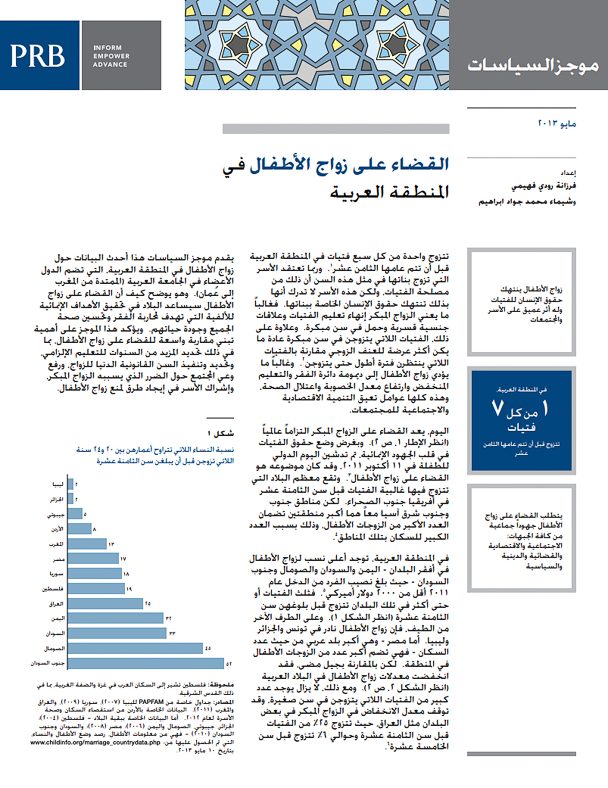
Ending Child Marriage in the Arab Region

(2013) This policy brief presents the latest data on child marriage in the Arab region, which includes members of the League of Arab States (stretching from Morocco to Oman). Arabic and English versions.
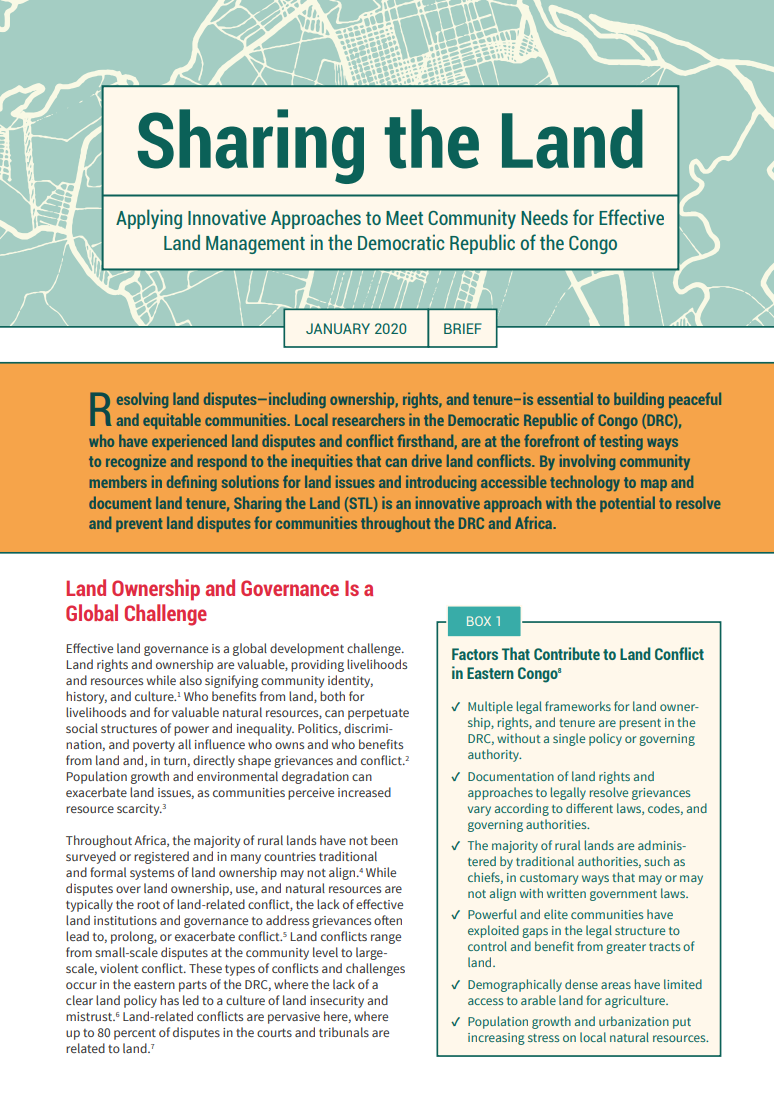
View Details Array ( [ID] => 3405 [id] => 3405 [title] => 2013-child-marriage-arab-region [filename] => 2013-child-marriage-arab-region.pdf [filesize] => 1016429 [url] => https://www.prb.org/wp-content/uploads/2013/06/2013-child-marriage-arab-region.pdf [link] => https://www.prb.org/resources/ending-child-marriage-in-the-arab-region/2013-child-marriage-arab-region/ [alt] => [author] => 15 [description] => [caption] => Ending Child Marriage in the Arab Region (Arabic Version) -This policy brief presents the latest data on child marriage in the Arab region, which includes members of the League of Arab States (stretching from Morocco to Oman). It explains how ending child marriage would help countries achieve their Millennium Development Goals (MDGs) that aim to combat poverty and improve health and quality of life for all. The brief emphasizes the importance of taking a broad approach to end child marriage, including mandating more years of compulsory education, setting and enforcing the legal minimum age of marriage, raising community awareness about the harm caused by early marriage, and involving families to find ways to prevent child marriage. [name] => 2013-child-marriage-arab-region [status] => inherit [uploaded_to] => 3399 [date] => 2020-10-24 17:13:55 [modified] => 2020-10-24 17:16:31 [menu_order] => 0 [mime_type] => application/pdf [type] => application [subtype] => pdf [icon] => https://www.prb.org/wp-includes/images/media/document.png ) Download (1.0 MB)

Project: Research Technical Assistance Center (RTAC)

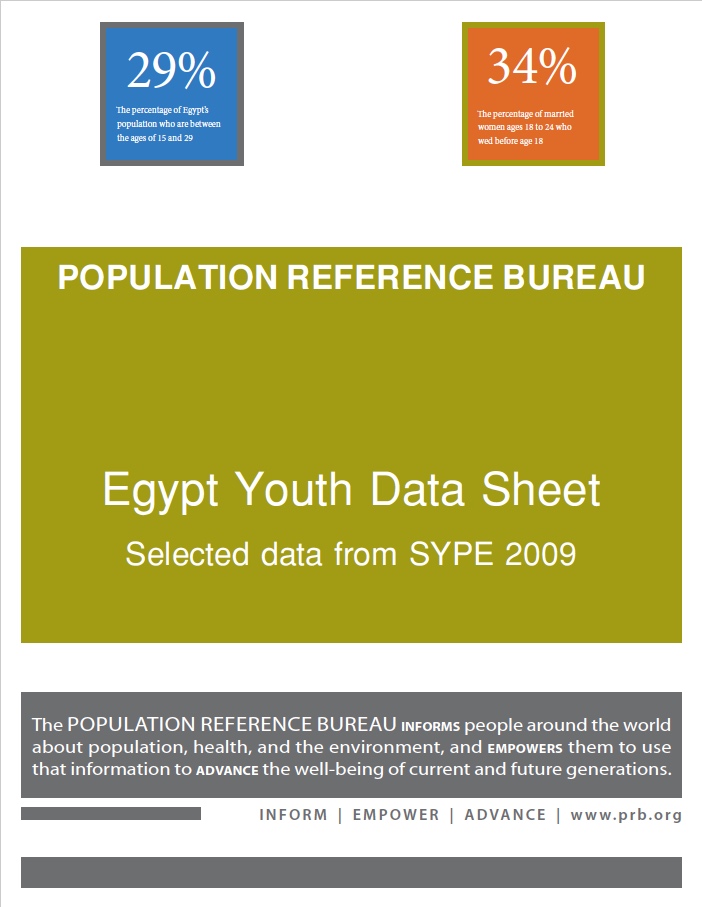
Sharing the Land: Applying Innovative Approaches to Meet Community Needs for Effective Land Management in the Democratic Republic of Congo Communications Brief

This innovation brief describes Sharing the Land’s promising approach to address land conflicts and promote transparency in land governance in the Democratic Republic of Congo.
View Details

In Egypt, Young Women and People Living With HIV/AIDS Are Among the Most Disadvantaged

(2012) Jan. 25, 2012, marked the one-year anniversary of the antigovernment protests in Egypt that led to President Hosni Mubarak's resignation. Hundreds of thousands of Egyptians, including a vast majority of young people, demanded political freedom, better wages, and better working conditions.
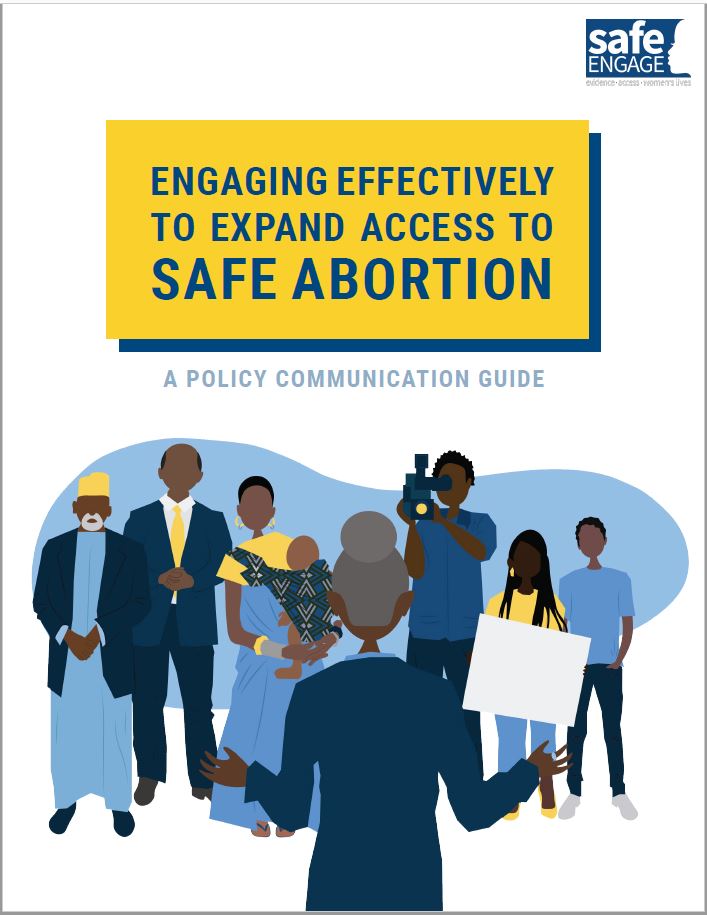
View Details Array ( [ID] => 16174 [id] => 16174 [title] => 02072012-egypt-youth-datasheet [filename] => 02072012-egypt-youth-datasheet.pdf [filesize] => 389233 [url] => https://www.prb.org/wp-content/uploads/2021/02/02072012-egypt-youth-datasheet.pdf [link] => https://www.prb.org/resources/in-egypt-young-women-and-people-living-with-hiv-aids-are-among-the-most-disadvantaged/02072012-egypt-youth-datasheet-2/ [alt] => [author] => 15 [description] => [caption] => [name] => 02072012-egypt-youth-datasheet-2 [status] => inherit [uploaded_to] => 16170 [date] => 2021-02-04 17:03:40 [modified] => 2021-02-04 17:03:40 [menu_order] => 0 [mime_type] => application/pdf [type] => application [subtype] => pdf [icon] => https://www.prb.org/wp-includes/images/media/document.png ) Download (0.4 MB)

Project: PACE: Policy, Advocacy, and Communication Enhanced for Population and Reproductive Health

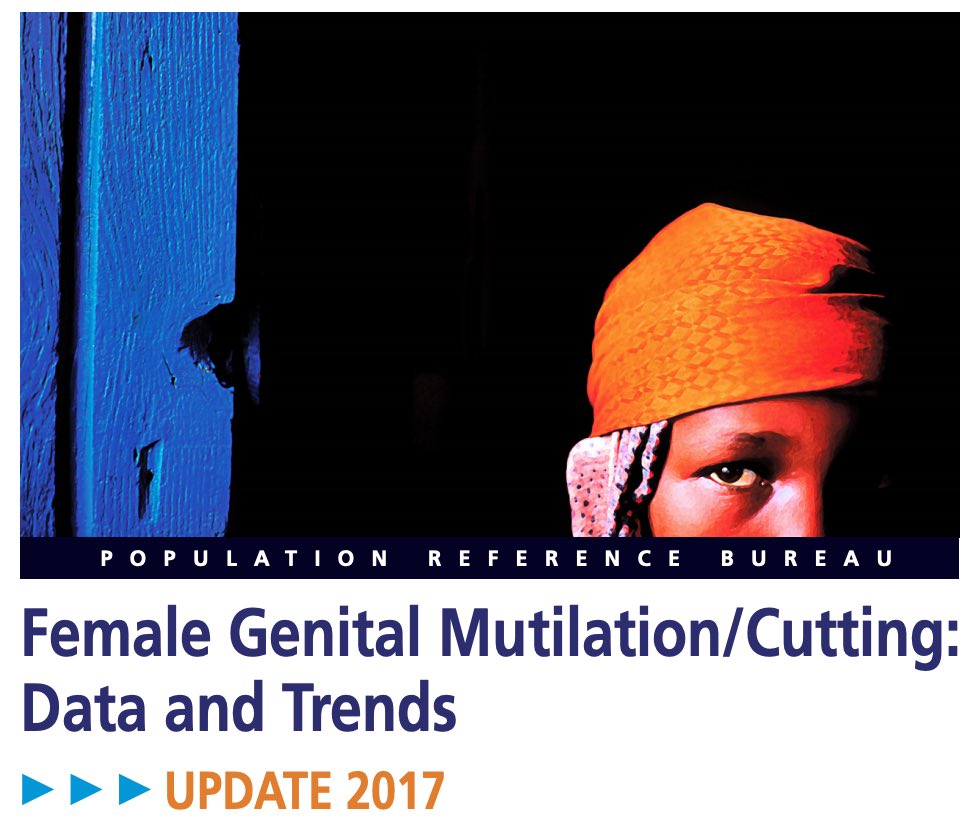
Wallchart. Female Genital Mutilation/Cutting Data and Trends, Update 2017

Female Genital Mutilation/Cutting: Data and Trends Update 2017, produced with support from the U.S. Agency for International Development, provides the latest data on the practice in 29 developing countries with representative and comparable data—although FGM/C occurs worldwide.
View Details Array ( [ID] => 18738 [id] => 18738 [title] => FGMC_Poster_2017-1 [filename] => FGMC_Poster_2017-1-1.pdf [filesize] => 1509069 [url] => https://www.prb.org/wp-content/uploads/2017/02/FGMC_Poster_2017-1-1.pdf [link] => https://www.prb.org/resources/wallchart-female-genital-mutilation-cutting-data-and-trends-update-2017/fgmc_poster_2017-1-3/ [alt] => [author] => 15 [description] => [caption] => [name] => fgmc_poster_2017-1-3 [status] => inherit [uploaded_to] => 18729 [date] => 2021-02-25 01:42:08 [modified] => 2021-02-25 01:42:08 [menu_order] => 0 [mime_type] => application/pdf [type] => application [subtype] => pdf [icon] => https://www.prb.org/wp-includes/images/media/document.png ) Download (1.5 MB)

Project: PACE: Policy, Advocacy, and Communication Enhanced for Population and Reproductive Health

Data in New Wallchart Show Female Genital Mutilation/Cutting Declining in Many Countries

Female Genital Mutilation/Cutting: Data and Trends Update 2017, produced with support from the U.S. Agency for International Development, provides the latest data on the practice in 29 developing countries with representative and comparable data—although FGM/C occurs worldwide.
View Details Array ( [ID] => 18734 [id] => 18734 [title] => FGMC_Poster_2017-1 [filename] => FGMC_Poster_2017-1.pdf [filesize] => 1509069 [url] => https://www.prb.org/wp-content/uploads/2017/02/FGMC_Poster_2017-1.pdf [link] => https://www.prb.org/resources/wallchart-female-genital-mutilation-cutting-data-and-trends-update-2017/fgmc_poster_2017-1/ [alt] => [author] => 15 [description] => [caption] => [name] => fgmc_poster_2017-1 [status] => inherit [uploaded_to] => 18729 [date] => 2021-02-25 01:41:13 [modified] => 2021-02-25 01:41:13 [menu_order] => 0 [mime_type] => application/pdf [type] => application [subtype] => pdf [icon] => https://www.prb.org/wp-includes/images/media/document.png ) Download (1.5 MB)

Project: Evidence to End Female Genital Mutilation/Cutting

Reflections From Five Years of Research on FGM/C

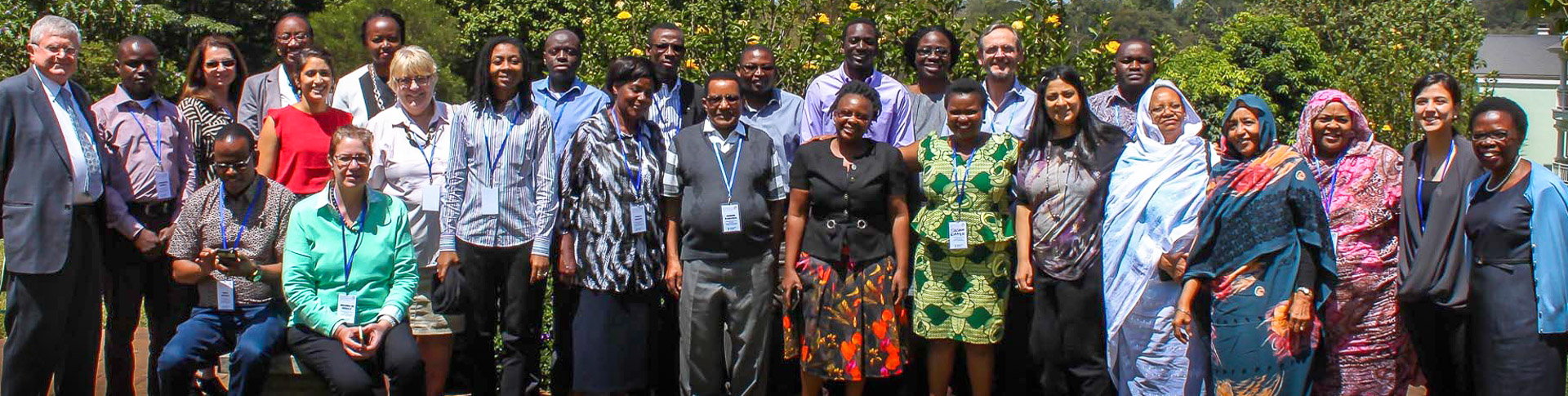
From 2015 to 2019, the African-led consortium developed innovative research methods and uncovered new evidence about the practice and how it is changing—focusing on families and communities, and health and legal systems—in eight countries: Burkina Faso, Egypt, Ethiopia, Kenya, Nigeria, Senegal, Somalia, and Sudan.
View Details