2024 PRB Annual Report
2024 Annual Report



(2011) Around the globe, family planning has been integrated with maternal and child health services for some years, even decades. In countries where integration is a key element of the health system, birth rates have fallen as more women have been able to avoid unintended pregnancies.
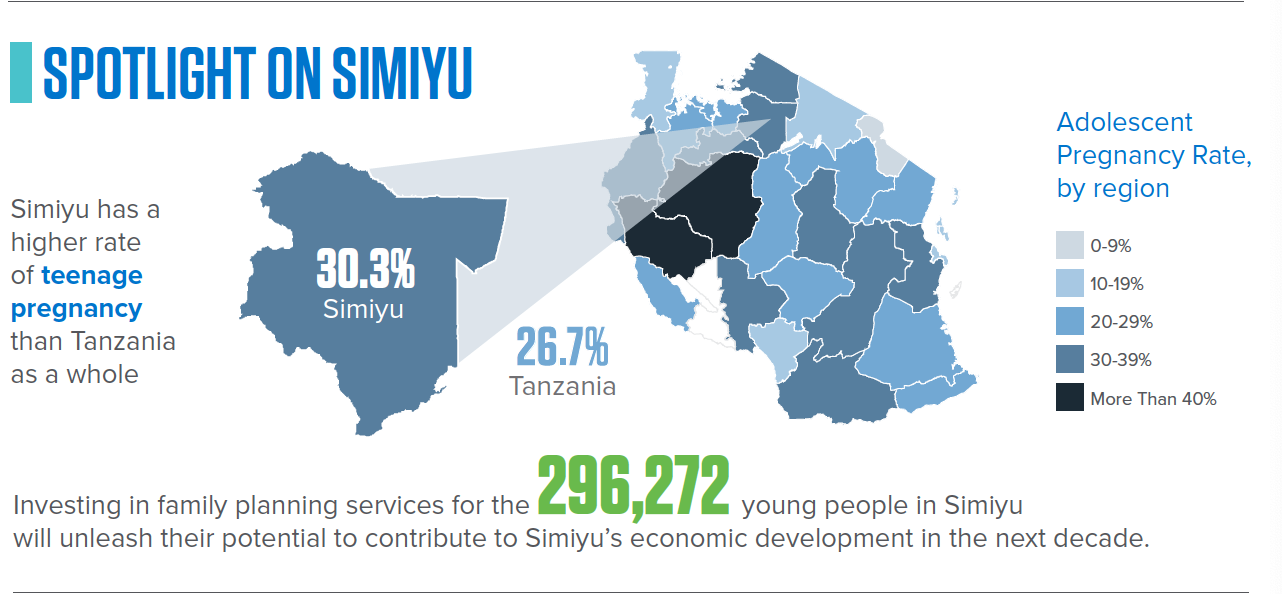
Project: Empowering Evidence-Driven Advocacy
Data from the latest Demographic and Health Survey show that Tanzania did not achieve its commitment to increase the contraceptive prevalence rate to 60 percent by 2015.

(2014) Births to U.S. teenage girls ages 15 to 17 have decreased by 63 percent over the past 20 years (from 39 per 1,000 teens in 1991 to 14 per 1,000 teens in 2012), according to the latest statistics released by the Centers for Disease Control and Prevention (CDC).1 With an 8 percent decline between 2011 and 2012, the birth rate for teens ages 15 to 17 is at its lowest level ever recorded in the United States.2
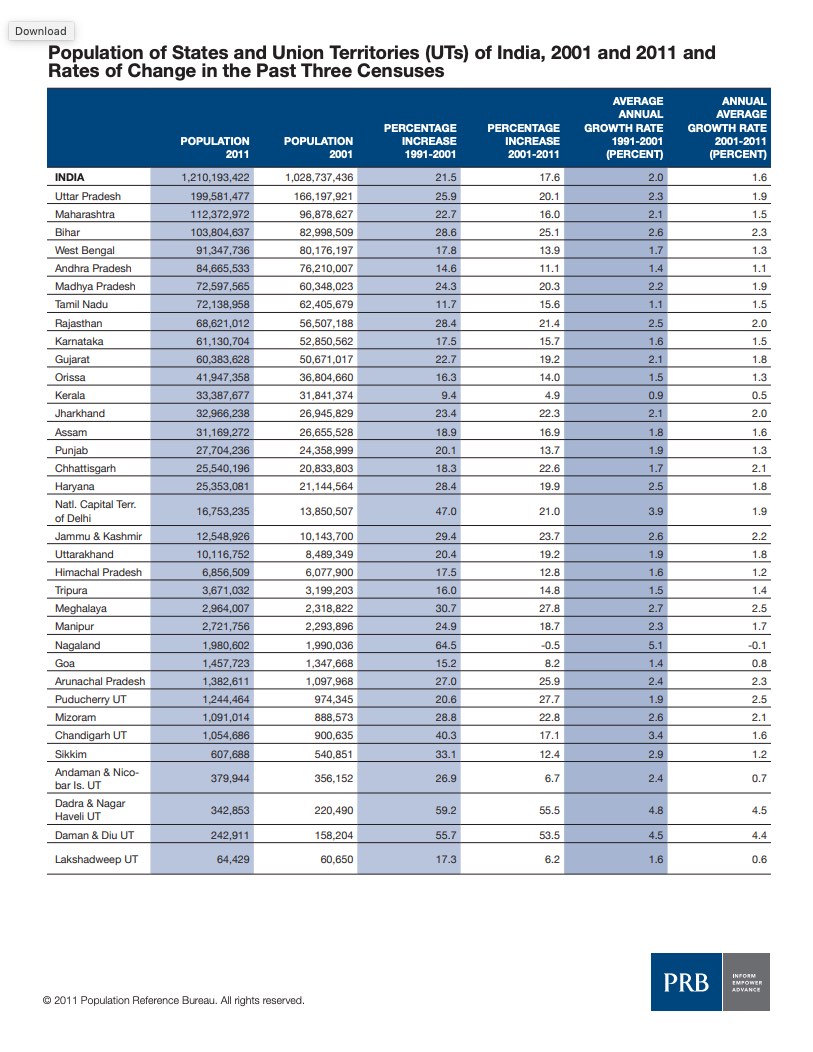
(2011) Together, China and India account for 37 percent of the world’s population. Both countries have conducted censuses over the past year, and when they report their census results, figures such as the widely accepted world population total are at risk of changing.
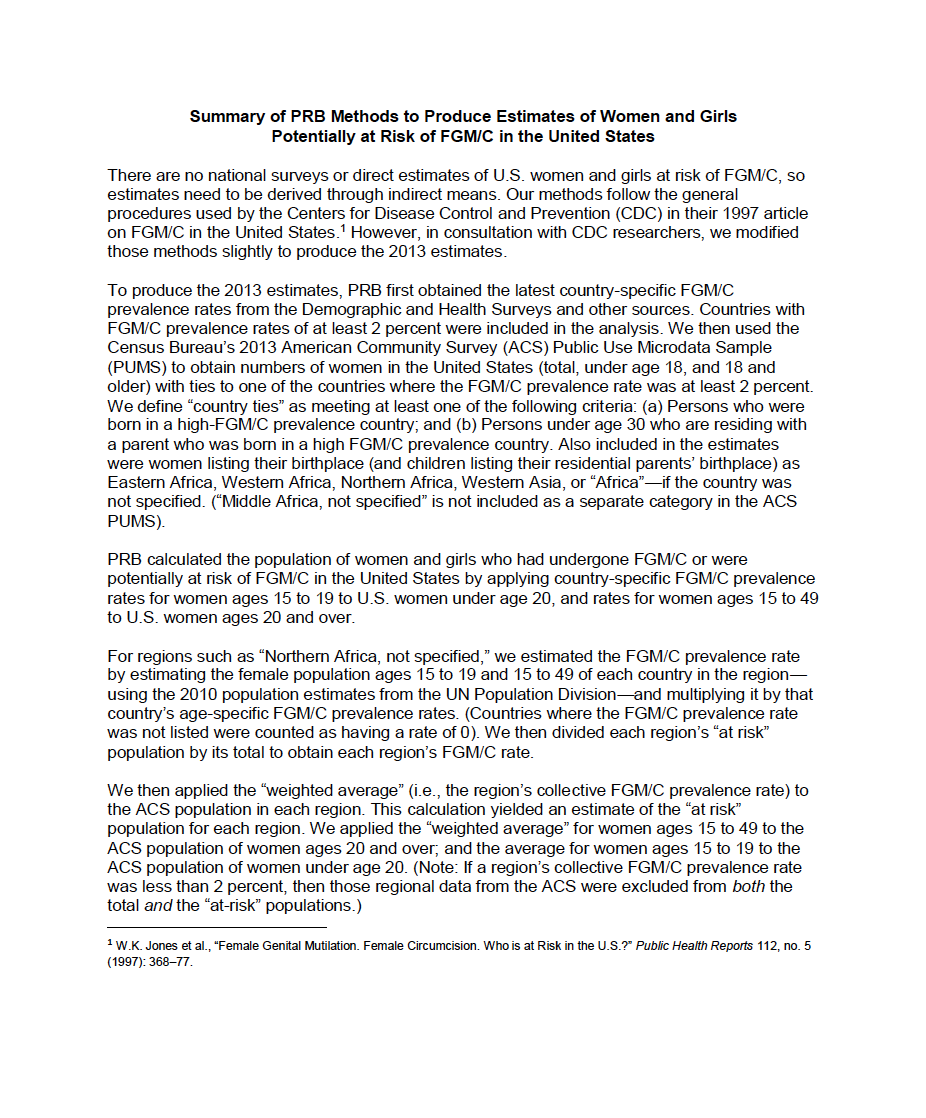
Summary of PRB Methods to Produce Estimates of Women and Girls Potentially at Risk of FGM/C in the United States