Older women in the United States continue to live longer than men, on average, but they’re spending an increasing share of their later years living with a disability, research suggests.
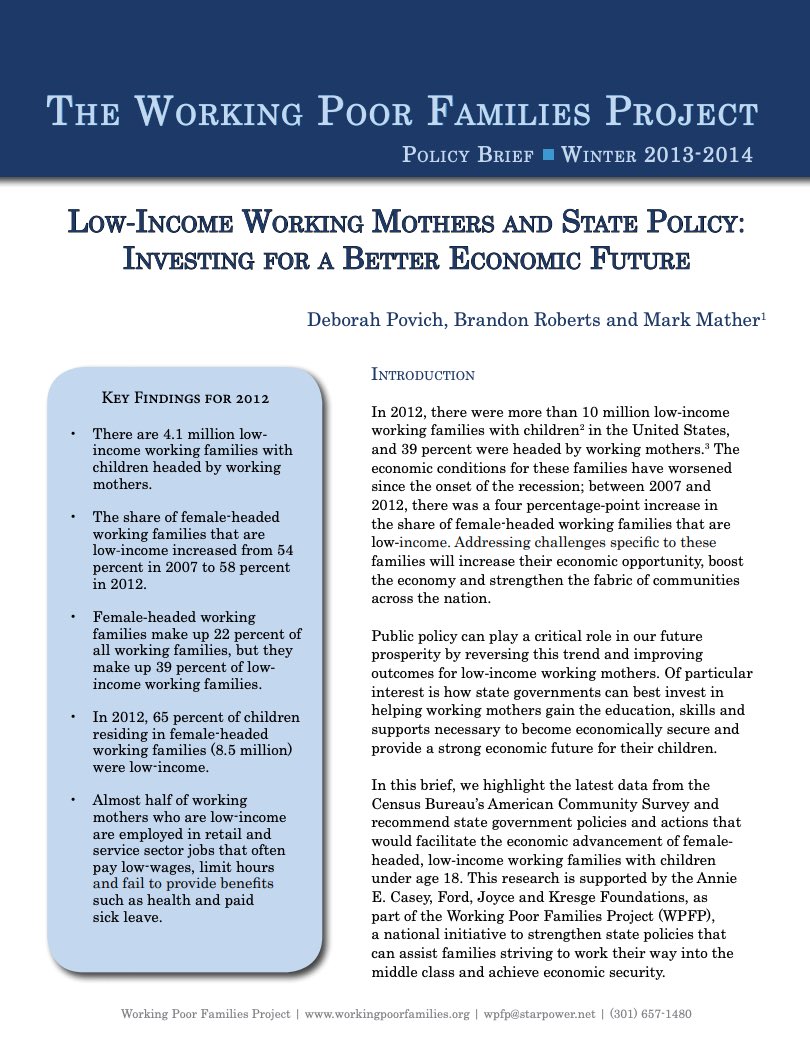
Single Working Mothers in U.S. Worse Off Since the Recession
(2014) U.S. working mothers have had a hard time in recent years: Between 2007 and 2012, the share of female-headed working families that are low-income increased from 54 percent to 58 percent, according to a Population Reference Bureau (PRB) analysis of data from the U.S. Census Bureau's American Community Survey.
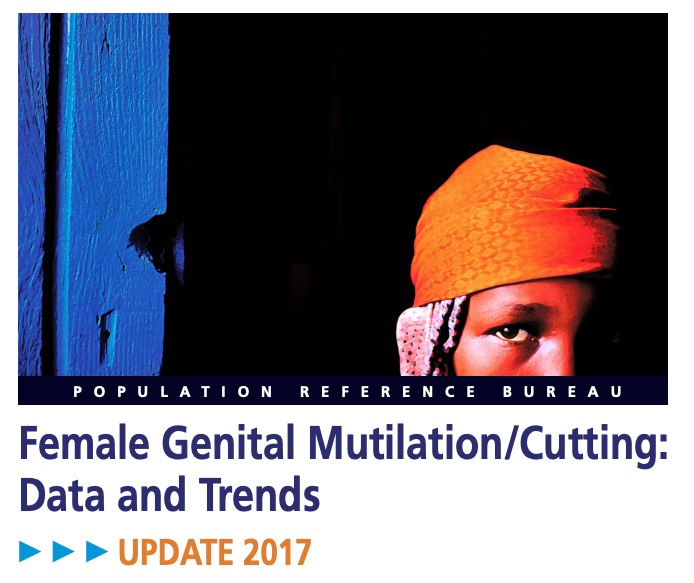
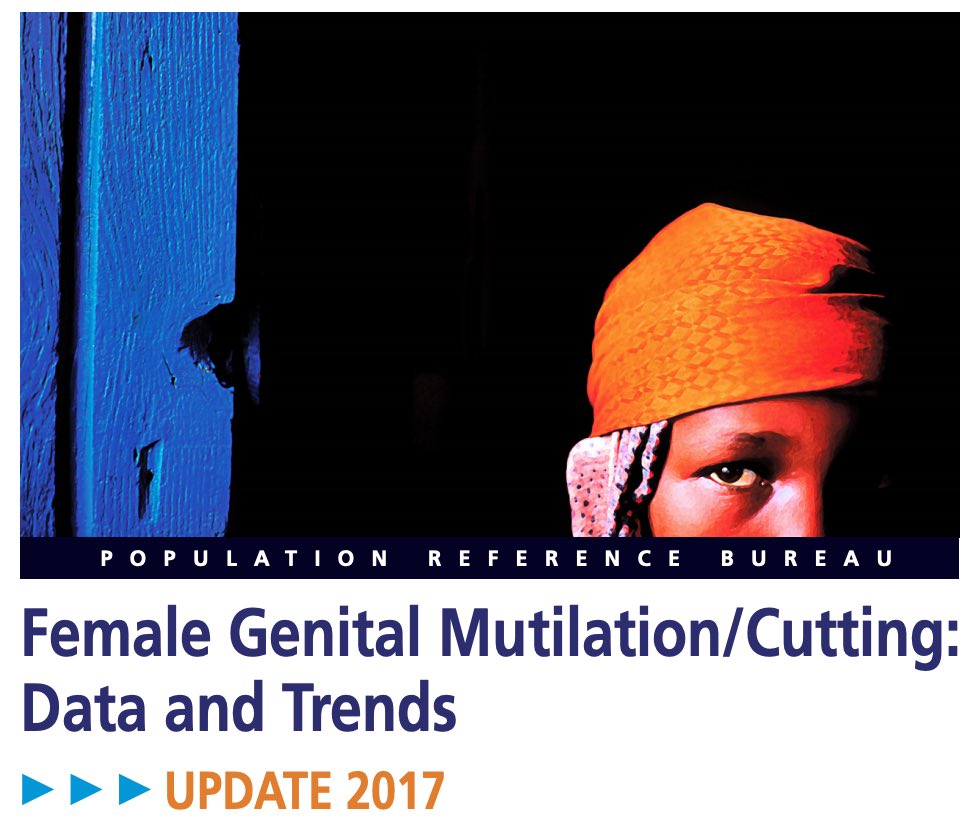
Data in New Wallchart Show Female Genital Mutilation/Cutting Declining in Many Countries
Female Genital Mutilation/Cutting: Data and Trends Update 2017, produced with support from the U.S. Agency for International Development, provides the latest data on the practice in 29 developing countries with representative and comparable data—although FGM/C occurs worldwide.
(2012) Men and women experience migration differently. The pressures to migrate, destination choices, employment prospects, and implications for social relations back home all vary by gender.
Wallchart. Female Genital Mutilation/Cutting Data and Trends, Update 2017
Female Genital Mutilation/Cutting: Data and Trends Update 2017, produced with support from the U.S. Agency for International Development, provides the latest data on the practice in 29 developing countries with representative and comparable data—although FGM/C occurs worldwide.
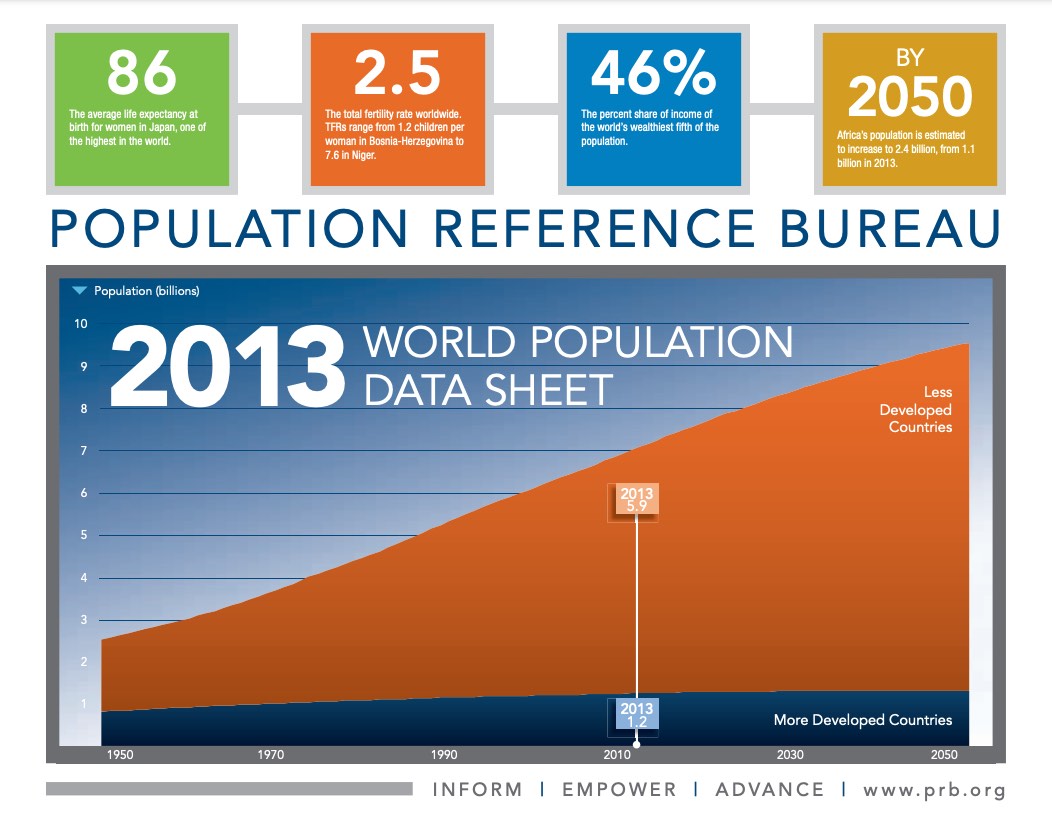
The world population will reach 9.9 billion in 2050, up 33 percent from an estimated 7.4 billion now, according to projections included in the 2016 World Population Data Sheet from the Population Reference Bureau (PRB).