Evidence to End Female Genital Mutilation/Cutting
PRB was a partner on Evidence to End FGM/C: Research to Help Girls and Women Thrive, a UKAID-funded research program to end female genital mutilation/cutting (FGM/C) within one generation.

PRB was a partner on Evidence to End FGM/C: Research to Help Girls and Women Thrive, a UKAID-funded research program to end female genital mutilation/cutting (FGM/C) within one generation.
(2002) According to the World Health Organization (WHO), around 300 million people worldwide suffer from malaria each year resulting in at least 1 million deaths.
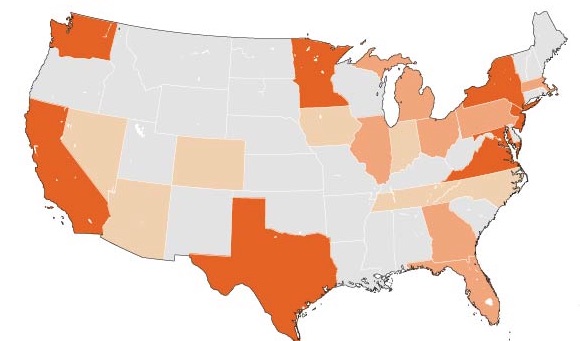
(2016) Although FGM/C is most prevalent in sub-Saharan Africa, global migration patterns have increased the risk of FGM/C among women and girls living in developed countries, including the United States, according to PRB analysis published February 2015.
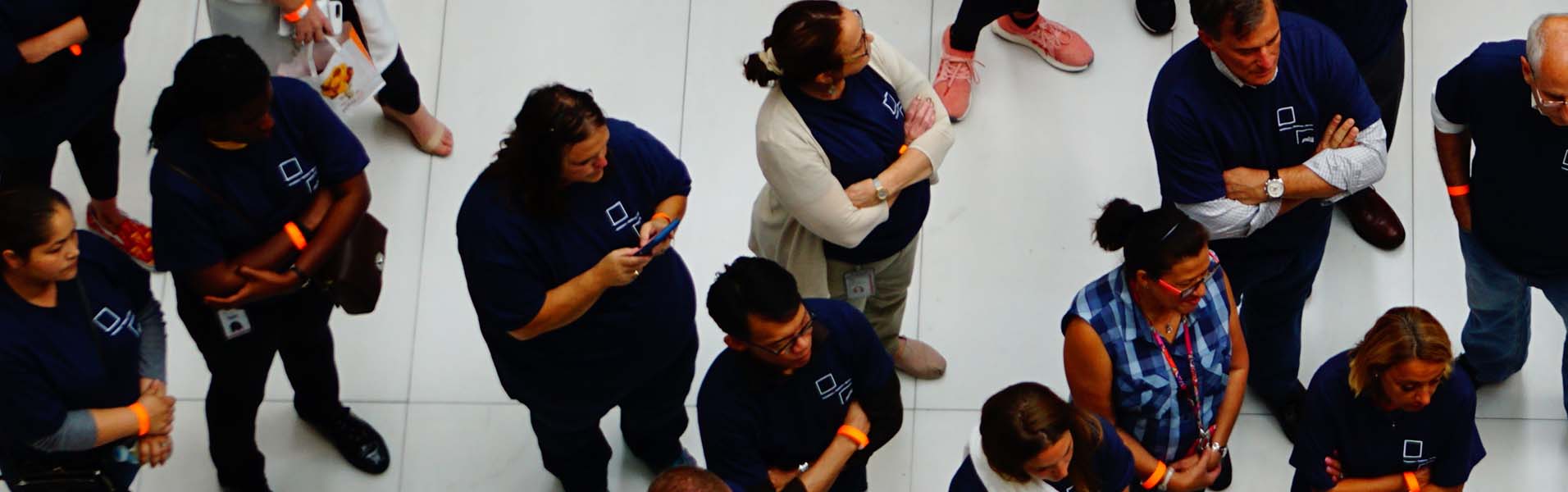

By looking at the intersection of poverty and inequality in local areas—and how this has changed over time—we can produce a more complete picture of U.S. economic health.

Project: American Community Survey and Decennial Census Support Services
The addition of a citizenship question to the 2020 Census may put almost one in 10 U.S. households and nearly 45 million people at greater risk of not being counted―the question has been shown to reduce response rates. Undercount risk is particularly high among young children.
2004) In September 2004, four devastating hurricanes and tropical storms killed more than 1,500 Haitians, destroyed roughly 90 percent of Grenada, and wreaked billions of dollars of damage on the southern United States.