Malaria Continues to Threaten Pregnant Women and Children
(2001) Malaria threatens at least 24 million pregnancies each year in Africa, the continent most affected by this disease according to the World Health Organization (WHO).

(2001) Malaria threatens at least 24 million pregnancies each year in Africa, the continent most affected by this disease according to the World Health Organization (WHO).
(2009) Over the last several decades, many industries have experienced significant structural changes that have affected their employees.
Project: Empowering Evidence-Driven Advocacy
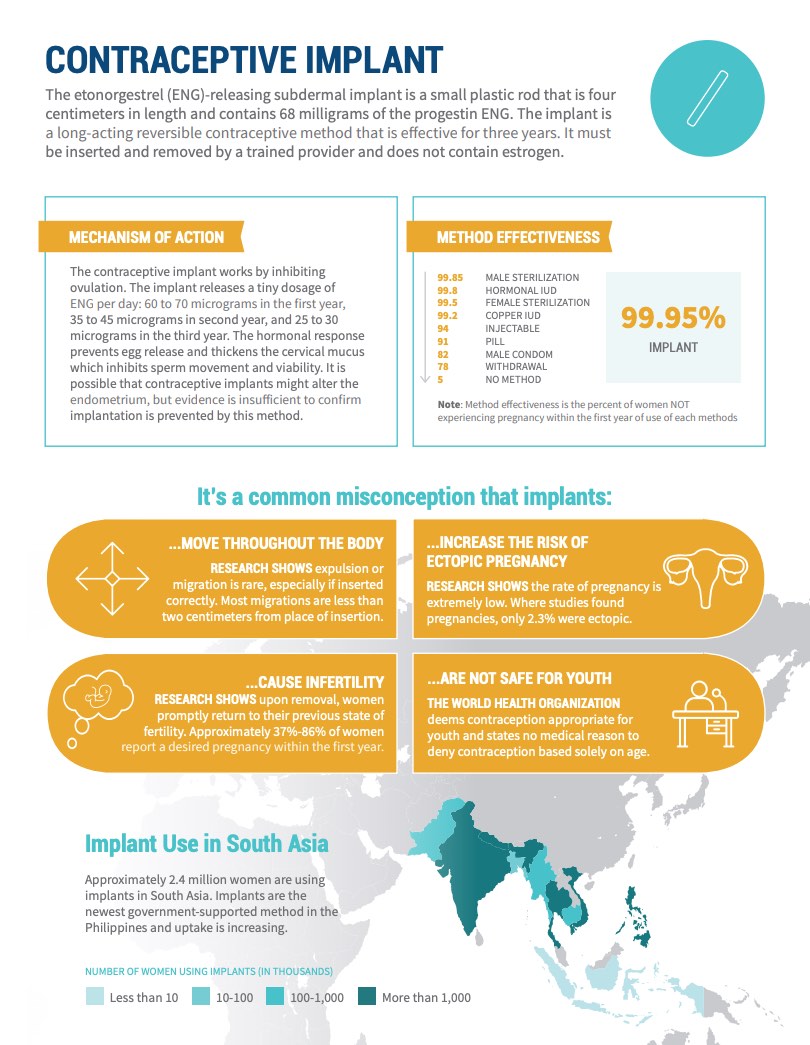
The etonorgestrel (ENG)-releasing subdermal implant is a small plastic rod that is four centimeters in length and contains 68 milligrams of the progestin ENG. The implant is a long-acting reversible contraceptive method that is effective for three years. It must be inserted and removed by a trained provider and does not contain estrogen.
(2015) Women’s participation in government gives them a direct say in the policies, laws, and regulations that affect their lives. Canada, for the first time in its history, has achieved gender parity in the federal cabinet: Newly elected Prime Minister Justin Trudeau divided the cabinet posts evenly between men and women—15 each—and made news headlines. When asked to explain his decision, Trudeau told reporters: “Because it’s 2015.”1

What information does a census collect? The answer depends on when and where in time the census was taken.
(2008) Each year, nearly 10 million children die, mostly from preventable and treatable causes. Millions of children in low-income countries suffer from long-term illnesses, malnutrition, and injuries that limit their life options. What can we do to improve children's health and save lives in low-income countries? What are the links to mother's health?
(2007) We entered the 20th century with a population of 1.6 billion people. We entered the 21st century with 6.1 billion people. And in 2007, world population is 6.6 billion.
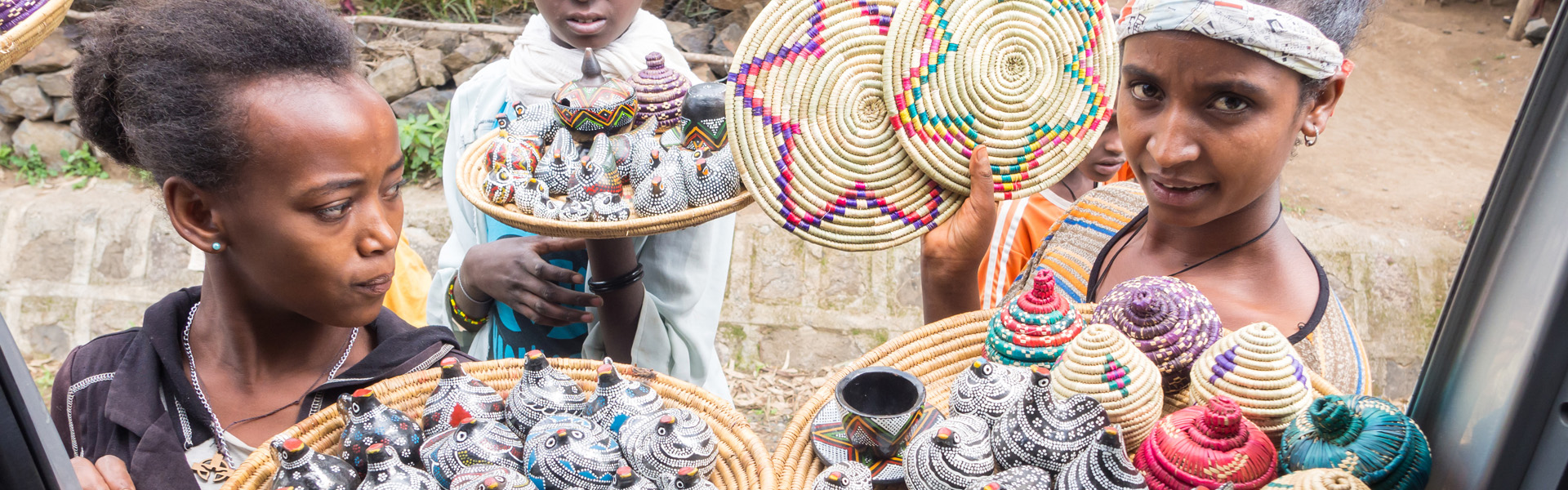
Project: Supporting Population Evidence and Champions in Africa (SPEC)
Ethiopia, with a current population of about 100 million, has achieved gains in several major health indicators.
(2003) Reaching age 100 has long fascinated society. The century mark holds an almost mystical importance as a seal of hardiness and good health — the sign of a life well-lived.