
2023 PRB Annual Report

Letter from the CEO
Exploring New Ways to Use Data for Good
Since Population Reference Bureau’s (PRB’s) founding in 1929, the world has changed tremendously and PRB has evolved along with it. We continue to explore new ways of working (globally, locally, even remotely) and hone our expertise to offer solutions relevant to today’s health and well-being challenges, such as the growing prevalence of noncommunicable diseases and the increase in anxiety among young people. What hasn’t changed is PRB’s impact on informing evidence-based practices, which you’ll see highlighted in this report.
In Fiscal Year 2023, we reached wide audiences with analyses and assessments on issues such as population aging, climate adaptation, maternal health, unpaid care work, and big data. We partnered with organizations like the Conrad N. Hilton Foundation, Regional Consortium for Research on Generational Economy, Southern California Association of Governments, and William and Flora Hewlett Foundation. And the people who work here have made it all possible.
Part of any organization’s evolution is change in those people. From PRB’s original staff of 8 to 55 today, we’ve seen a lot of great people walk through our doors. In late 2022, we welcomed a new Vice President to lead our U.S. Programs, Diana Elliott. Midway through 2023, we appointed our first Africa Director, Aïssata Fall. And just a few months ago, PRB’s Board of Trustees appointed me as President and CEO. PRB’s new leadership is guided by the organization’s strategic plan to explore new areas of focus and ways of working while keeping population and demographic data at the core of what we do. It is a strong foundation from which to move forward toward our 100th year in 2029.
Our partners outside the organization are also essential to PRB’s success. My predecessor, Jeffrey Jordan, collaborated with other international organizations in 2023 on the TIME Initiative, an ongoing effort to answer hard questions about the evolving role of international nongovernmental organizations working in sexual and reproductive health and rights. I am pleased to be stepping into this space as I take the helm at PRB.
Barbara Seligman, Senior Vice President of International Programs, led the way in making PRB’s presence more prominent in 2023 as she advocated for our return to hosting more public events like the webinar on young Africa’s potential to power the global workforce. Diana Elliott quickly became another energetic force behind PRB’s increased public engagement, from authoring blogs that delve into the heart of current population concerns to speaking with the media and other organizations. And Reena Atuma, our Team Lead in Kenya, works daily alongside staff and local officials, youth, and others on concrete policy changes aimed at improving people’s health.
There’s so much more. We’ve captured some of the highlights for you in this year’s annual report.
Sincerely,

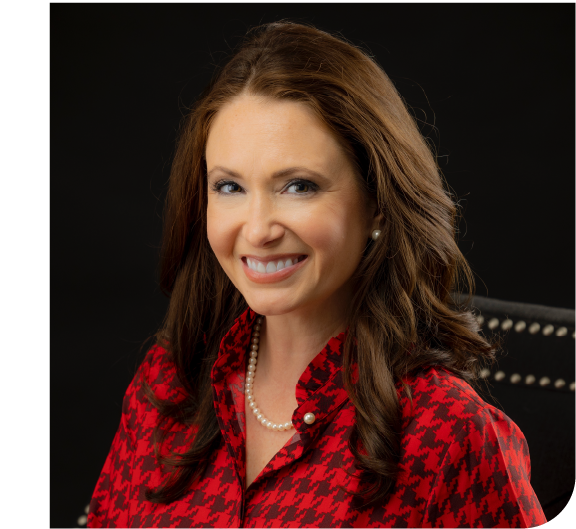
President and CEO

Promoting community-led social and policy change in partnership with youth and radio stations in Malawi
Project: PROPEL Health
Funder: United States Agency for International Development (USAID)
Under the PROPEL Health project, we worked with partner radio stations and community youth in nine districts across Malawi to raise awareness of social challenges around topics concerning nutrition, education, and health services; and harmful cultural norms like child marriage. We supported these local actors in their efforts to make context-specific, change-oriented information on these topics available in their communities and get people talking about them.
And they’ve made an impact.
Local radio programs in Malawi are now using their platform to hold leaders accountable for enforcing the child marriage law, and they are educating communities on how to respond to and prevent gender-based violence.
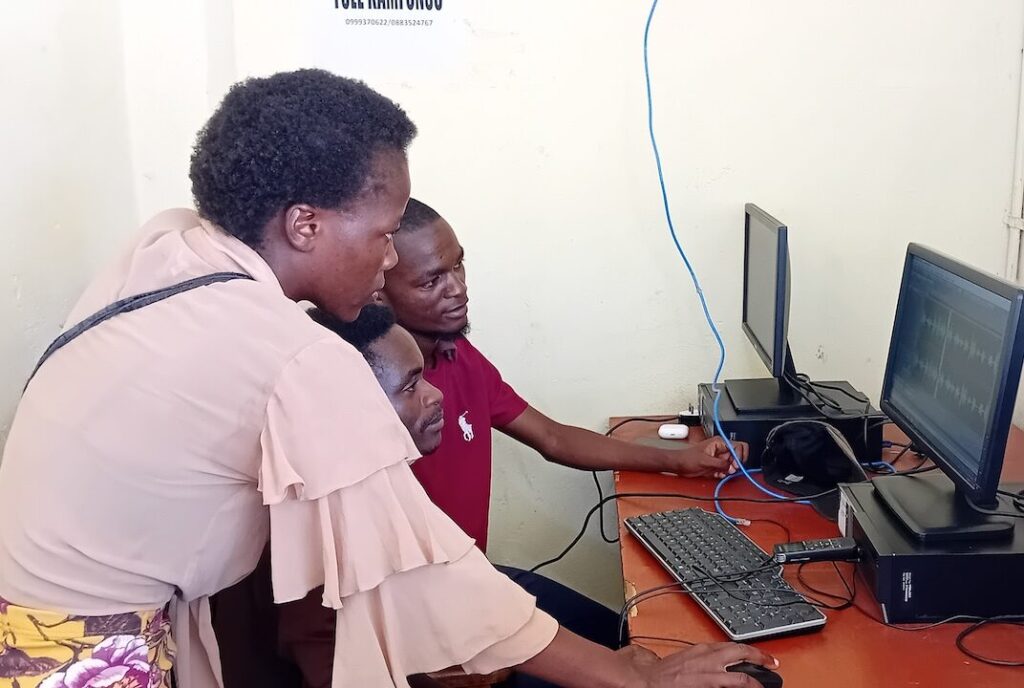
In the process of spurring these positive changes—and many more like them—the young people involved in this work learned valuable skills that help provide them with more academic and professional opportunities.

Amplifying research and data to raise awareness of the Black maternal health crisis in the United States
Project: Center for Public Information on Population Research
Funder: Eunice Kenney Shriver National Institute of Child Health and Human Development (NICHD)
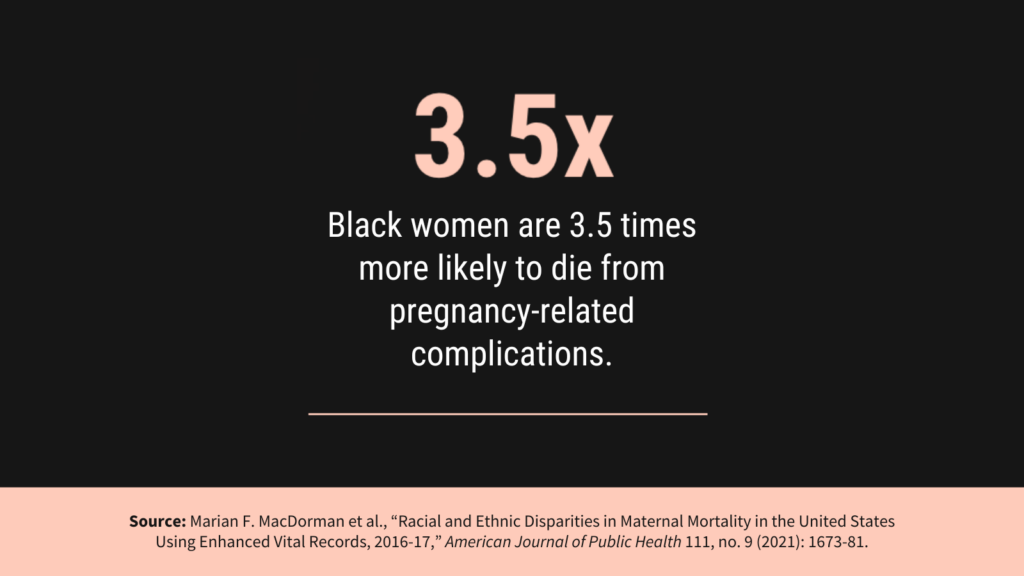
Black women in the United States face a high risk of death from pregnancy-related complications. Most of these deaths are preventable, according to a study by the Centers for Disease Control and Prevention. “We need new models of care before, during, and after birth to address these inequities,” says Marie Thoma, a reproductive and perinatal epidemiologist and population health scientist at the University of Maryland.
Sharing learning that can improve health outcomes for small and sick newborns
Project: MOMENTUM Knowledge Accelerator
Funder: USAID
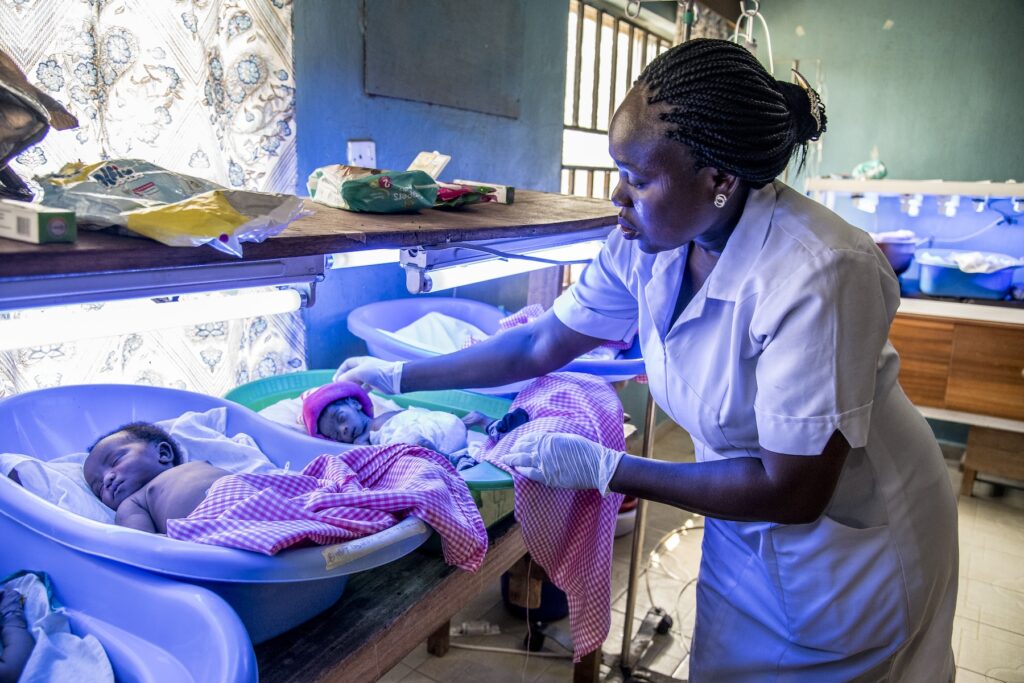
How can local learning drive global solutions? This question is one we ask daily on the MOMENTUM Knowledge Accelerator project, which is part of USAID’s larger MOMENTUM program that seeks to improve the health and well-being of women, children, and families in more than 38 countries. Part of the project’s role is to identify and share best practices that can be applied across the different settings where MOMENTUM works.
Facilitating high-level policy dialogue in Senegal about women’s unpaid care work
Project: Counting Women’s Work
Funder: William and Flora Hewlett Foundation
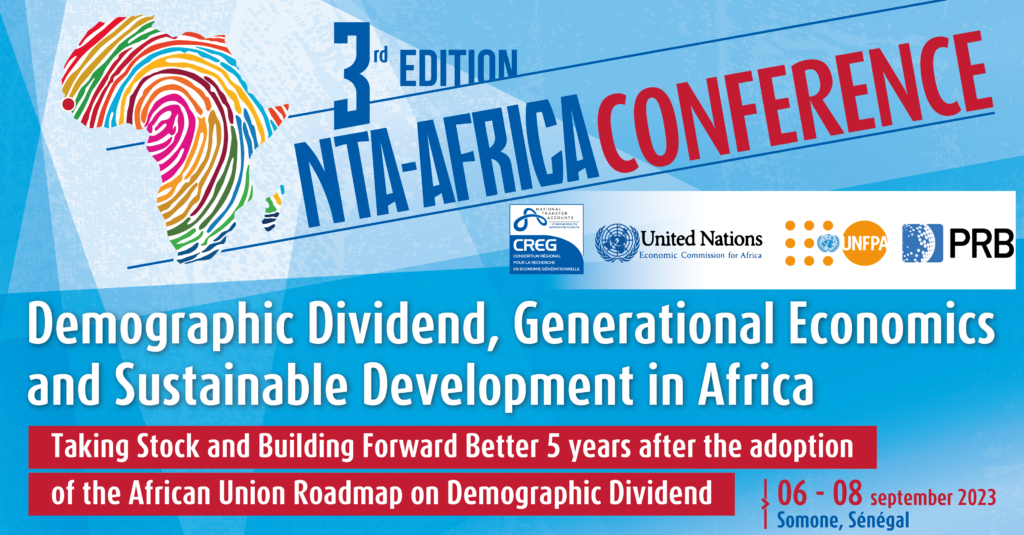
Resources—and financial burdens—flow from one generation to another. Understanding how it happens is key for governments focused on fostering sustainable development, and data from national transfer accounts (NTA) can provide key insights.
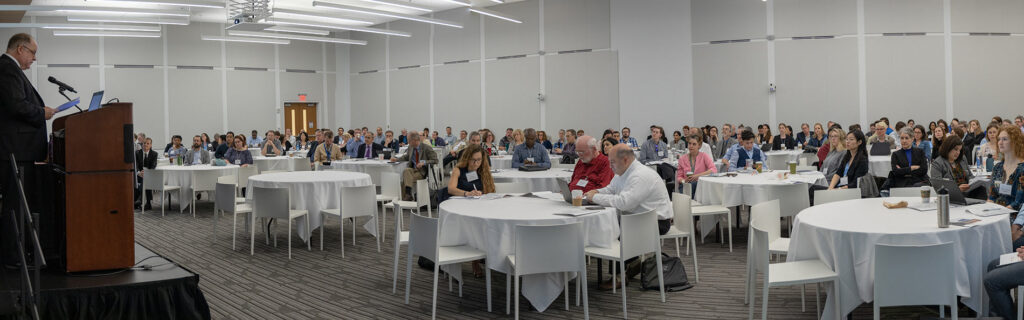
In 2023, PRB and the Regional Consortium for Research on Generational Economy (CREG) hosted a shared space in Senegal to make complicated topics like the value of women’s unpaid labor easy to understand so decisionmakers could assess needs and accountability. The 3rd National Transfer Account–Africa Conference in La Somone-Senegal, held in partnership with CREG, PRB, the United Nations Population Fund, and United Nations Economic Commission for Africa, brought together more than 130 participants from 19 African countries, including parliamentarians and decisionmakers from various ministries.
Calling for a new approach to climate adaptation driven by local solutions
We developed a three-part climate blog series in English and French to advance a new approach to investments in climate adaptation that integrate population, gender, health, and the environment. The series lays the foundation of a people-centered framework for building resilience to climate change centered on agency, equity, and the power of local solutions.
Reporting the evidence on family experiences of care in California during the COVID pandemic
Project: KidsData
Funder: Lucille Packard Foundation for Children’s Health, California Department of Public Health, Blue Shield Foundation of California, donations from data users
The year 2023 marked the official end of the COVID-19 state of emergency. Yet the disease continued to spread, and many people continued to feel its effects. Decisionmakers need evidence of these impacts so they can effectively plan for their communities.
PRB’s KidsData program released data and findings from the Family Experiences During the COVID-19 Pandemic survey that highlighted ongoing challenges. The survey checked in with parents and caregivers four times to track the pandemic’s evolving impact on families. The results released in 2023 showed persistent challenges for California families despite suggestions that life had returned to normal.

Advancing gender equality to improve family planning and reproductive health outcomes
Project: PROPEL Health
Funder: USAID
How can gender-transformative approaches and programming help improve outcomes for family planning and reproductive health? How can we address the gender inequities that global health workers experience? What are the links between sexual and reproductive health and technology-facilitated gender-based violence? What intersectional approaches are being applied to gender-transformative programming? How can comprehensive sexuality education help strengthen gender-based violence prevention and response efforts and vice versa?
If you are among the more than 2,600 members of the Interagency Gender Working Group (IGWG), you may already know the answers to these questions.
For 13 years, PRB managed the IGWG, a community of practice founded nearly 30 years ago to promote gender-sensitive considerations as a critical factor in improving family planning and reproductive health outcomes and advancing sustainable development.
Under our management, the IGWG highlighted best practices, challenges, and opportunities for promoting gender equality through global health programming, showcased the work of gender experts and advocates around the world, and led discussions on cutting-edge topics on and approaches to gender-transformative health programming.
In late 2023, we transitioned management of the IGWG to the PROPEL Youth and Gender project. During its time with PRB, the IGWG served as a reputable resource for gender experts, advocates, and program implementers working in global health and other sectors. It centered and elevated the voices of gender experts, advocates, and researchers, with special attention to locally led efforts, and the community of practice made notable contributions to the field with products that captured a wealth of knowledge and actionable recommendations for practitioners, advocates, researchers, and donors.
Both seasoned experts and those just beginning to integrate a gender-sensitive lens into their activities rely on materials like the IGWG’s newsletter and signature Gender Integration Continuum, a valuable tool for program implementers that measures whether and how interventions incorporate gender equity to improve development outcomes.
Explore some of our work with the IGWG:
- Recommendations to address the gender inequities facing global health workers (plenary brief).
- Links between comprehensive sexuality education and gender-based violence prevention and response efforts (blog).
- Links between technology-facilitated gender-based violence and sexual and reproductive health (blog).
- Intersectional approaches in gender-transformative programming (event).
- Gender-transformative approaches in global health (research brief).
- Key concepts around gender and health for a range of audiences (training materials).
- Key takeaways from events and recommendations (synthesis products).
We look forward to watching the IGWG’s continued growth and success.
Strengthening policies that benefit communities’ health by collaborating locally in Kenya
Project: Stawisha Pwani
Funder: USAID
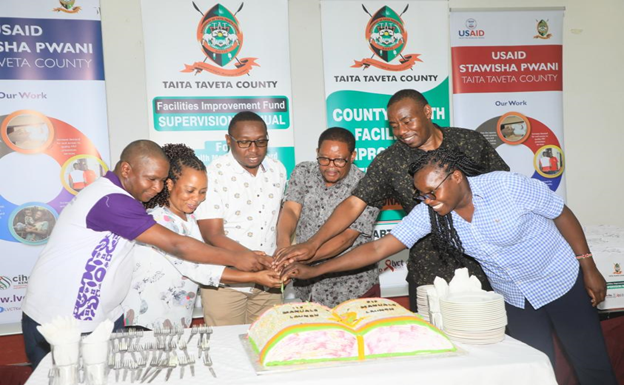
As part of our activities on the Stawisha Pwani project, we collaborated with county officials, youth, and others in four coastal counties in Kenya as they sought to create and strengthen policies concerning the health of people in their communities.
We worked with officials in Mombasa County’s Department of Health to bring together youth representatives, county officials, and other stakeholders in the private sector and at nongovernmental organizations to develop the Mombasa County Adolescent and Young People Strategy on Health for 2024-2029. In our role of helping to facilitate dialogue, we drafted a template for the strategy and a plan for communicating its benefits to decisionmakers, and then formed a youth technical working group to draft, review, and revise the policy before it was shared with stakeholder groups for their feedback.
SHARING THE EVIDENCE
PRB produced articles, blogs, reports, webinars, and other materials in 2023 on a range of topics such as climate adaptation, gender equality, population aging, unpaid care work, and the U.S. labor shortage. Explore some of these works here.
SUPPORTERS, PARTNERS, AND CONTRIBUTORS
The generous support we receive from organizations and individuals helps make our work possible. Thank you.
u003culu003eu003cliu003eAmerican Association of Retired Persons (AARP)u003c/liu003eu003cliu003eAnnie E. Casey Foundationu003c/liu003eu003cliu003eAppalachian Regional Commissionu003c/liu003eu003cliu003eAssociation of Monterey Bay Area Governmentsu003c/liu003eu003cliu003eAssociation of Public Data Usersu003c/liu003eu003cliu003eBlue Shield of California Foundationu003c/liu003eu003cliu003eConrad N. Hilton Foundationu003c/liu003eu003cliu003eEducation Sub-Saharan Africau003c/liu003eu003cliu003eu003cemu003eEunice Kennedy Shriveru003c/emu003e National Institute of Child Health and Human Developmentu003c/liu003eu003cliu003eJohn D. and Catherine T. MacArthur Foundationu003c/liu003eu003cliu003eLucile Packard Foundation for Children’s Healthu003c/liu003eu003cliu003eLVCT Healthu003c/liu003eu003cliu003eCoordinating Center for the Centers on the Demography and Economics of Aging and Alzheimer’s Disease and Related Dementias, University of Michiganu003c/liu003eu003cliu003eNew Venture Fundu003c/liu003eu003cliu003eNORC at the University of Chicagou003c/liu003eu003cliu003eThe Palladium Groupu003c/liu003eu003cliu003ePopulation Councilu003c/liu003eu003cliu003eSan Benito Council of County Governmentsu003c/liu003eu003cliu003eThe San Diego Association of Governmentsu003c/liu003eu003cliu003eSouthern California Association of Governmentsu003c/liu003eu003cliu003eUnited Nations Population Fundu003c/liu003eu003cliu003eUnited States Agency for International Developmentu003c/liu003eu003cliu003eUnited States Census Bureauu003c/liu003eu003cliu003eUniversity of Utahu003c/liu003eu003cliu003eWilliam and Flora Hewlett Foundationu003c/liu003eu003c/ulu003e
u003cpu003ePRB worked together with 19 organizations in 2023.u003c/pu003eu003culu003eu003cliu003eAfrican Centre of Excellence for Inequality Researchu003c/liu003eu003cliu003eAmref Health Africau003c/liu003eu003cliu003eAvenir Healthu003c/liu003eu003cliu003eConsortium Regional pour la Recherche en Economie Générationnelle (CREG)u003c/liu003eu003cliu003eDeveloping Radio Partnersu003c/liu003eu003cliu003eGreen Girls Platformu003c/liu003eu003cliu003eInnovations Environnement Développement en Afriqueu003c/liu003eu003cliu003eInstitute for Climate and Sustainable Citiesu003c/liu003eu003cliu003eInstitute of Public Finance Kenyau003c/liu003eu003cliu003eJSI Research u0026amp; Training Institute Inc.u003c/liu003eu003cliu003eMakerere University School of Public Healthu003c/liu003eu003cliu003eManhattan Strategy Group (MSG)u003c/liu003eu003cliu003eThe Nature Conservancyu003c/liu003eu003cliu003ePopulation Association of America (PAA)u003c/liu003eu003cliu003ePresident and Fellows of Harvard College, Ariadne Labsu003c/liu003eu003cliu003eThe Regents of the University of California, Berkeley Campusu003c/liu003eu003cliu003eSERAC-Bangladeshu003c/liu003eu003cliu003eWorld Vision, Inc.u003c/liu003eu003cliu003eZenysis Technologiesu003c/liu003eu003c/ulu003e
u003cpu003eThrough their generous contributions, the individuals listed here allowed PRB to fund essential program expansion and organizational innovations during the fiscal year ending Sept. 30, 2023.u003c/pu003eu003culu003eu003cliu003eTom Andersonu003c/liu003eu003cliu003eAmaia Bacigalupeu003c/liu003eu003cliu003eAmazon Smileu003c/liu003eu003cliu003eBill Bairdu003c/liu003eu003cliu003eFelicity Barringer Taubmanu003c/liu003eu003cliu003eDonald J. Beginu003c/liu003eu003cliu003eNancy Blissu003c/liu003eu003cliu003eWilliam P. Butzu003c/liu003eu003cliu003eAdrian Calahanu003c/liu003eu003cliu003eDaniel L. Carriganu003c/liu003eu003cliu003eJulie A. Caswell and Richard T. Rogersu003c/liu003eu003cliu003eGeorge Cernadau003c/liu003eu003cliu003eSuthasina Chaolertsereeu003c/liu003eu003cliu003eYoonjoung Choiu003c/liu003eu003cliu003eStacy Clintonu003c/liu003eu003cliu003eJoel Cohenu003c/liu003eu003cliu003eDonald A. Collinsu003c/liu003eu003cliu003eGeoff Dabelkou003c/liu003eu003cliu003eSandy Davisu003c/liu003eu003cliu003eRichard Deissu003c/liu003eu003cliu003eCarol Devitau003c/liu003eu003cliu003eThomas Dillonu003c/liu003eu003cliu003ePeter and Nancy Donaldsonu003c/liu003eu003cliu003eMariner Ecclesu003c/liu003eu003cliu003eEcotrust/Peter Vaughnu003c/liu003eu003cliu003eJanet Edmondu003c/liu003eu003cliu003eMcKena Elzeyu003c/liu003eu003cliu003eDavid Emmau003c/liu003eu003cliu003eKarl Eschbachu003c/liu003eu003cliu003eMarilyn Fernandezu003c/liu003eu003cliu003eJuan Gili Ferranu003c/liu003eu003cliu003eRobert Freymeyeru003c/liu003eu003cliu003eJanine Gawelu003c/liu003eu003cliu003eJustus Goedtkeu003c/liu003eu003cliu003eNihal Goonewardeneu003c/liu003eu003cliu003eLinda Gordonu003c/liu003eu003cliu003eJohn Grantu003c/liu003eu003cliu003eKenneth Haddocku003c/liu003eu003cliu003eRiyad Hakimu003c/liu003eu003cliu003eArther Hampsonu003c/liu003eu003cliu003eTodd Harmanu003c/liu003eu003cliu003eShawn Hazbounu003c/liu003eu003cliu003eHygino Herculesu003c/liu003eu003cliu003eHarold Hillu003c/liu003eu003cliu003eSteven Houseru003c/liu003eu003cliu003eRobin Ikedau003c/liu003eu003cliu003eRobert Jacquesu003c/liu003eu003cliu003eAmber Jacksonu003c/liu003eu003cliu003eBeth Jaroszu003c/liu003eu003cliu003eBobby Jeffersonu003c/liu003eu003cliu003eJeffrey Jordanu003c/liu003eu003cliu003eJoan Kahnu003c/liu003eu003cliu003eAbiodun Kakau003c/liu003eu003cliu003eWillie B. Lamouse-Smithu003c/liu003eu003cliu003eBryan Larsonu003c/liu003eu003cliu003eThomas LeGrandu003c/liu003eu003cliu003eJennifer Madans and Terence Phillipsu003c/liu003eu003cliu003eDalton Malloneeu003c/liu003eu003cliu003eAndrew Marvel Family Trustu003c/liu003eu003cliu003eFrancis Mathieuu003c/liu003eu003cliu003eLawrence McCarthyu003c/liu003eu003cliu003eKari McGuideu003c/liu003eu003cliu003eNorman Meadowu003c/liu003eu003cliu003eSara Melillou003c/liu003eu003cliu003eJoel and Mary Mellemau003c/liu003eu003cliu003eDavid Milleru003c/liu003eu003cliu003eAndy Neillu003c/liu003eu003cliu003eNew Venture/Censusu003c/liu003eu003cliu003eAshley Parrisu003c/liu003eu003cliu003eJeffrey Passelu003c/liu003eu003cliu003eAyesha Patelu003c/liu003eu003cliu003eKari Peiu003c/liu003eu003cliu003eClyde Phillipsu003c/liu003eu003cliu003eNathan Porteru003c/liu003eu003cliu003eAnn Rueggu003c/liu003eu003cliu003eKarl Schmittu003c/liu003eu003cliu003eValedmar Schultzu003c/liu003eu003cliu003eJennifer Sciubbau003c/liu003eu003cliu003eOsama Senousiu003c/liu003eu003cliu003eKyler Sherman-Wilkinsu003c/liu003eu003cliu003eRhonda R. Smithu003c/liu003eu003cliu003eStanley Smithu003c/liu003eu003cliu003eMargaret Snowdenu003c/liu003eu003cliu003eRoss Steeleu003c/liu003eu003cliu003eJohn H. Stinson-Fernandezu003c/liu003eu003cliu003eChris Tarpu003c/liu003eu003cliu003eFelicity Taubmanu003c/liu003eu003cliu003eAbhishek Tiwariu003c/liu003eu003cliu003eJoana Umo-etuku003c/liu003eu003cliu003eMaddie Walkeru003c/liu003eu003cliu003eKaroline Walteru003c/liu003eu003cliu003eAnn A. Wayu003c/liu003eu003cliu003eGeorge Weedu003c/liu003eu003cliu003eJohn Weeksu003c/liu003eu003cliu003eMary Beth Weinbergeru003c/liu003eu003cliu003eHelmut Wohlschlagelu003c/liu003eu003cliu003eMark Wrightu003c/liu003eu003cliu003eRobert Wymanu003c/liu003eu003c/ulu003e
Our Projects
American Community Survey and Decennial Census Support Services
PRB has been a long-term partner to the U.S.
Counting Women’s Work
With support from the William and Flora Hewlett Foundation, PRB collaborates with African partners to generate local knowledge, build tools, and foster policy dialogue that position unpaid care work as a structural policy issue, anchored in national data, priorities, and realities.

Promoting Evidence on Early Childhood Development in East and Southern Africa
PRB is partnering with the Conrad N. Hilton Foundation to promote evidence on ECD in ESA to improve the lives of young children ages 0-3 in Kenya, Mozambique, and Tanzania.
Related Posts
Webinar: Bridging Research and Policies: Enhancing Budgeting Processes for Africa's Demographic Dividend
PRB hosted a high-level webinar with budget experts, parliamentarians, and national directors to discuss the importance of the Demographic Dividend Sensitive Budgeting approach in enhancing budgeting processes across Africa.

Research Identifies New Strategies to Reduce Undercount of Young Children in U.S. 2020 Census
PRB identifies factors predicting where children under age 5 are more likely to be missed in the 2020 Census and develops a new undercount risk measure for young children.

Lesson Plans on Human Population and Demographic Studies
Find out the answers to these questions and more. The sections listed below explore eight elements of population dynamics.

Health Sector Reform: How It Affects Reproductive Health
(June 2003) Many less developed countries are reforming their health systems in an effort to achieve public health goals more affordably and effectively.
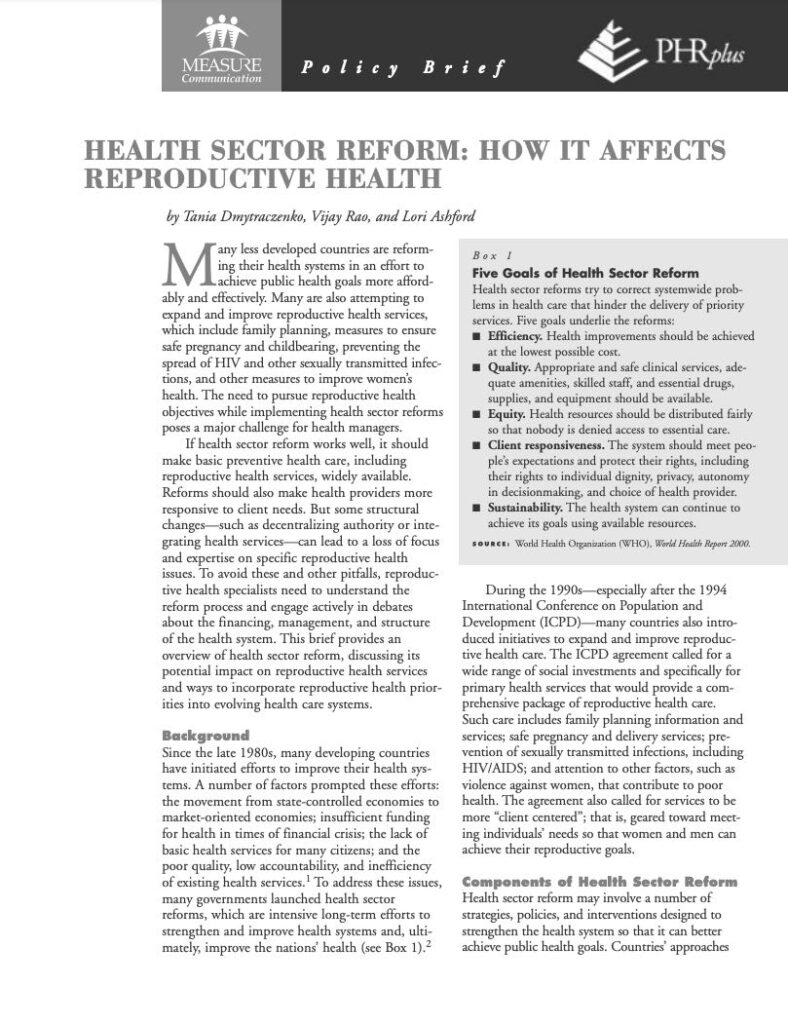
Report. Health Sector Reform: How It Affects Reproductive Health
This report also in French and Spanish. (June 2003) Many less developed countries are reforming their health systems in an effort to achieve public health goals more affordably and effectively.