167 Search Results Found For : "%EB%B6%80%EC%82%B0%EC%B6%9C%EC%9E%A5%EC%83%B5%E3%80%90Talk:Za31%E3%80%91%EC%8A%A4%EC%9C%84%ED%8A%B8%20%EC%B6%9C%EC%9E%A5%EB%A7%88%EC%82%AC%EC%A7%80%20%EC%88%98%EC%9B%90%EC%A0%84%EC%A7%80%EC%97%AD%2030%EB%B6%84%EB%82%B4%20%EB%B0%A9%EB%AC%B8"
(2008) Opposition to Kenya's recent election resulted in days of deadly riots. Kenya's demographic trends provide some background to the current situation, revealing both advances and continuing challenges.
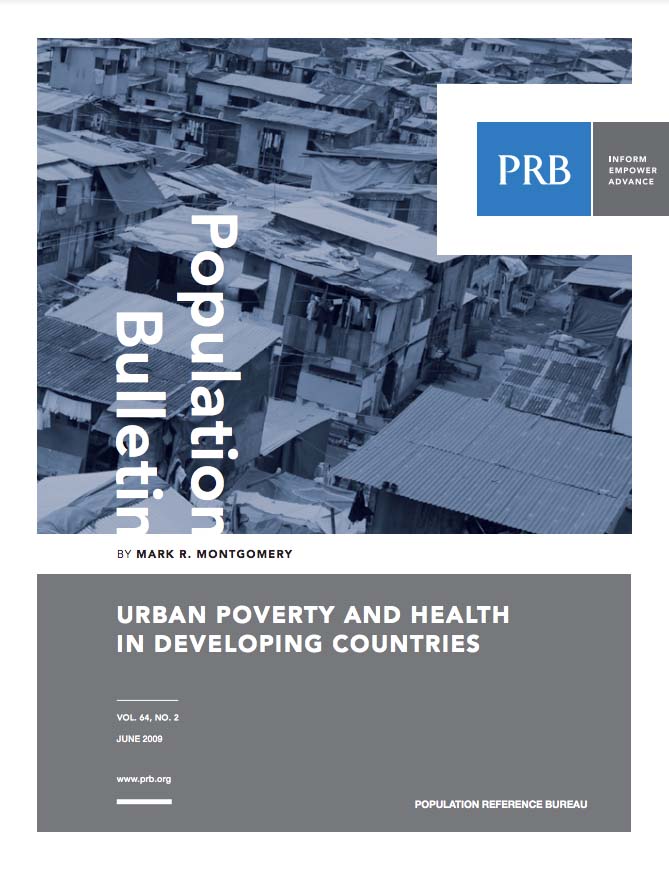
(2009) The era in which developing countries could be depicted mainly in terms of rural villages is now in the past. A panoramic view of today's demographic landscape reveals a myriad of cities and towns.
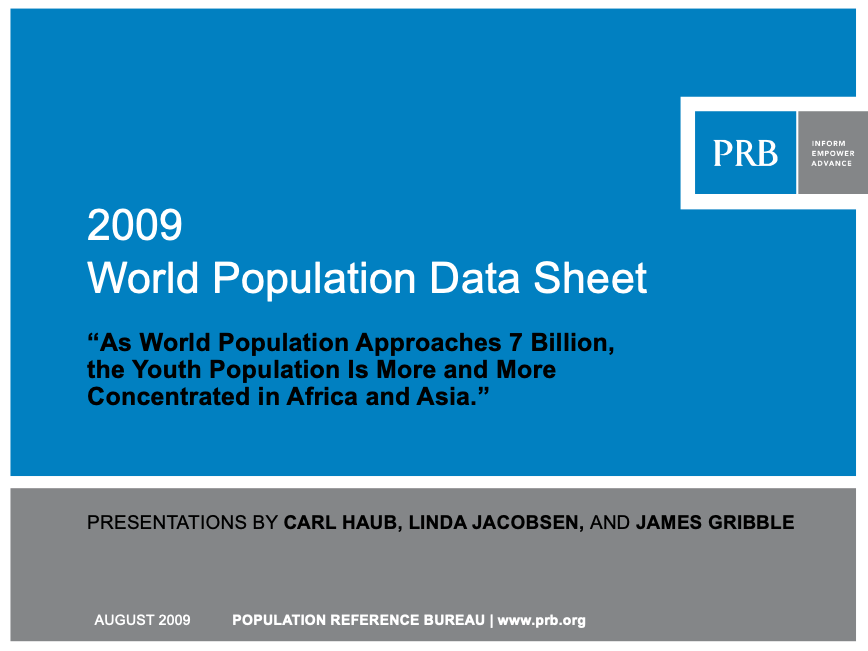
(August 2009) The Population Reference Bureau released its 2009 World Population Data Sheet on Aug. 12, 2009, at the National Press Club in Washington,DC with presentations highlighting children and youth, the theme of this year's data sheet.
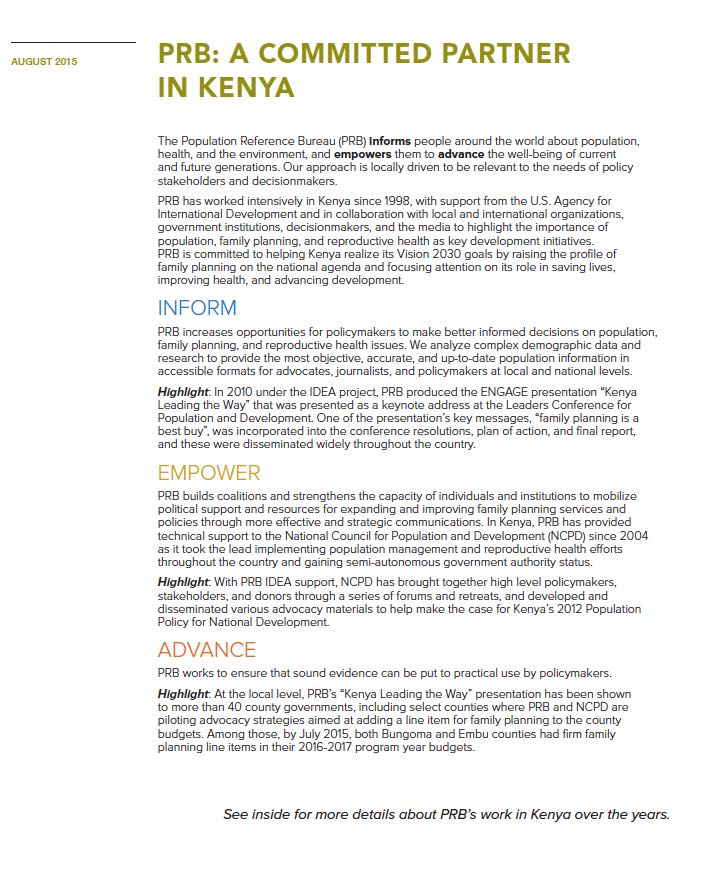
(2015) PRB has worked intensively in Kenya since 1998, with support from the U.S. Agency for International Development and in collaboration with local and international organizations, government institutions, decision makers, and the media to highlight the importance of population, family planning, and reproductive health as key development initiatives.
(August 2009) The Population Reference Bureau released its 2009 World Population Data Sheet on Aug. 12, 2009, at the National Press Club in Washington,DC with presentations highlighting children and youth, the theme of this year's data sheet.
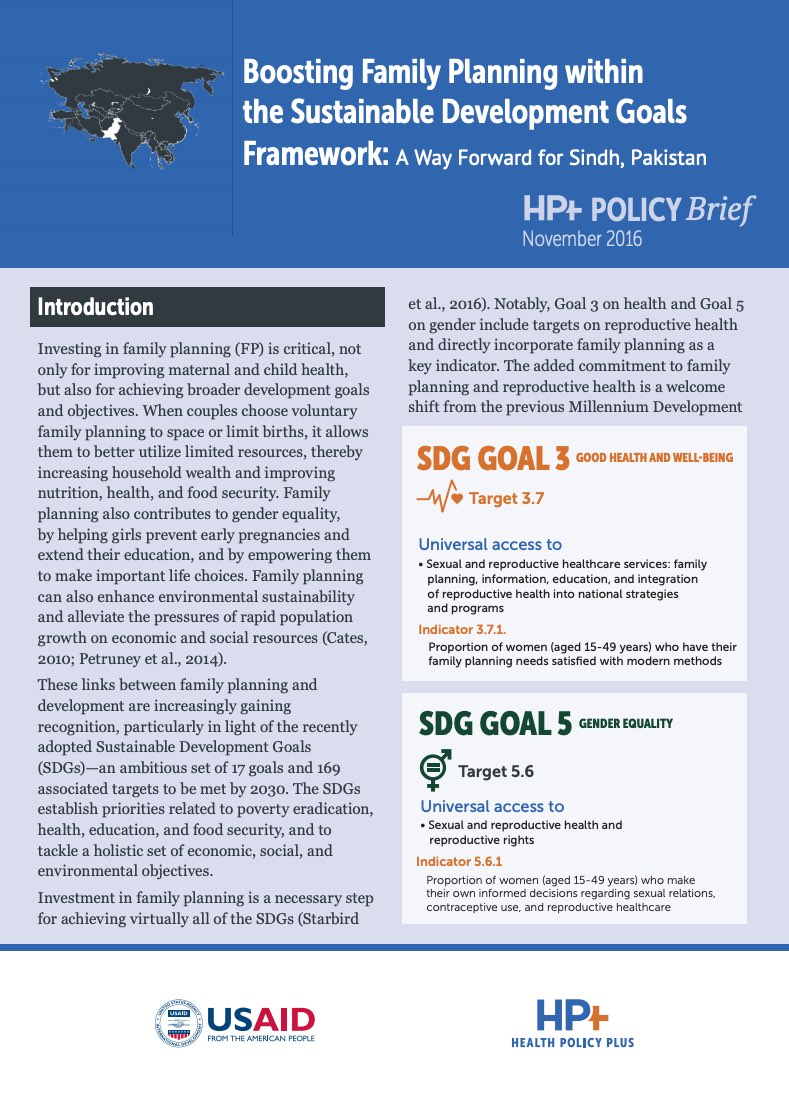
Two New Policy Briefs Focus on Sustainable Development Goals in Pakistan and Malawi
Recent research suggests linking family planning to broader development goals may alleviate of rapid population growth and associated pressures upon natural and human resources. Reducing unintended pregnancies through voluntary family planning is one clear way of easing such pressures.
View Details
Array
(
[ID] => 6584
[id] => 6584
[title] => 2076-3225_HP-Pakistan-Sindh-SDG-Briefv
[filename] => 2076-3225_HP-Pakistan-Sindh-SDG-Briefv.pdf
[filesize] => 706942
[url] => https://www.prb.org/wp-content/uploads/2016/11/2076-3225_HP-Pakistan-Sindh-SDG-Briefv.pdf
[link] => https://www.prb.org/resources/boosting-family-planning-within-the-sustainable-development-goals-framework-a-way-forward-for-sindh-pakistan/2076-3225_hp-pakistan-sindh-sdg-briefv/
[alt] =>
[author] => 15
[description] => Boosting Family Planning within the Sustainable Development Goals Framework: A Way Forward for Sindh, Pakistan. Health Policy Plus
[caption] =>
[name] => 2076-3225_hp-pakistan-sindh-sdg-briefv
[status] => inherit
[uploaded_to] => 6574
[date] => 2020-12-05 18:16:33
[modified] => 2020-12-05 18:16:52
[menu_order] => 0
[mime_type] => application/pdf
[type] => application
[subtype] => pdf
[icon] => https://www.prb.org/wp-includes/images/media/document.png
)
Download
(0.7 MB)
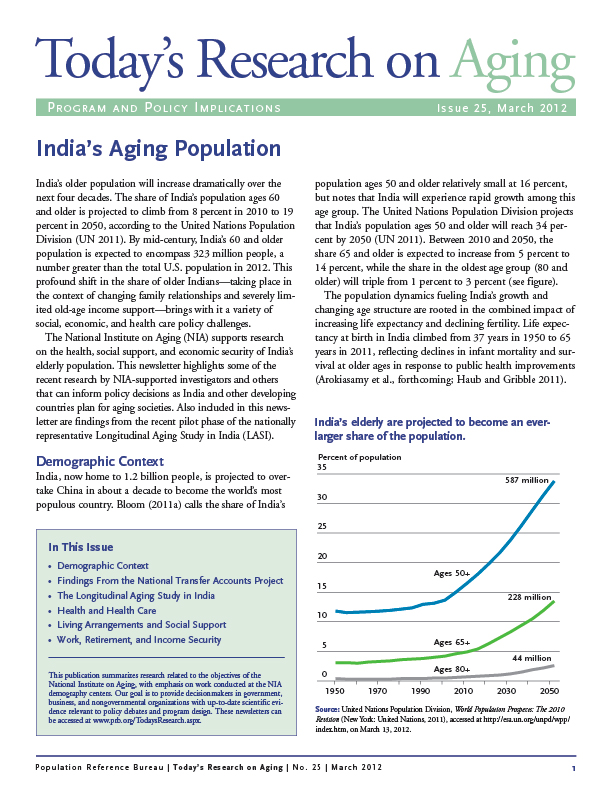
India's population ages 60 and older is projected to increase dramatically over the next four decades, from 8 percent in 2010 to 19 percent in 2050, according to the United Nations Population Division. By mid-century, this age group is expected to encompass 323 million people, a number greater than the total U.S. population in 2012.
View Details
Array
(
[ID] => 4335
[id] => 4335
[title] => TRA25-2012-India-aging
[filename] => TRA25-2012-India-aging.pdf
[filesize] => 395105
[url] => https://www.prb.org/wp-content/uploads/2020/11/TRA25-2012-India-aging.pdf
[link] => https://www.prb.org/resources/todays-research-on-aging-issue-25-indias-aging-population/tra25-2012-india-aging/
[alt] =>
[author] => 15
[description] =>
[caption] => Today’s Research on Aging, Issue 25, March 2012
Program and Policy Implications
India’s Aging Population
India’s older population will increase dramatically over the next four decades. The share of India’s population ages 60 and older is projected to climb from 8 percent in 2010 to 19 percent in 2050, according to the United Nations Population Division (UN 2011). By mid-century, India’s 60 and older population is expected to encompass 323 million people, a number greater than the total U.S. population in 2012. This profound shift in the share of older Indians—taking place in the context of changing family relationships and severely lim-ited old-age income support—brings with it a variety of social, economic, and health care policy challenges.
This e-newsletter highlights some of the recent research by NIA-supported investigators and others that can inform policy decisions as India and other developing countries plan for aging societies. Also included in this newsletter are findings from the recent pilot phase of the nationally representative Longitudinal Aging Study in India (LASI).
[name] => tra25-2012-india-aging
[status] => inherit
[uploaded_to] => 9097
[date] => 2020-11-17 15:36:24
[modified] => 2020-12-21 00:47:24
[menu_order] => 0
[mime_type] => application/pdf
[type] => application
[subtype] => pdf
[icon] => https://www.prb.org/wp-includes/images/media/document.png
)
Download
(0.4 MB)